

Holiday Gift Guide to Get into Nature
As the holidays are quickly approaching, you might be looking for the perfect gift for your friends or family this season. This year, why not give the gift of nature? CPAWS NB’s 2021 Holiday Gift Guide is sure to have something for everyone, whether you are shopping for an adventurer who loves to spend time outdoors, a curious environmentalist who loves to enjoy nature on a calm and peaceful hike, or the nature lover wanting to learn more about NB’s wild spaces.
This year, we included even more experiences to get you and your loved ones out into some of New Brunswick’s most beautiful land and waters, giving back to organizations that are working to protect these areas, and supporting local businesses.
1. Whale Watching Tour with Quoddy Link
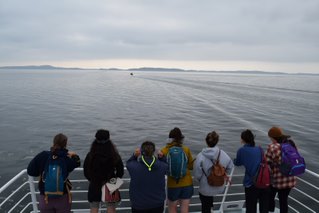
Gift an experience unlike any other! A Whale Watching Tour with Quoddy Link is an up-close and front row seat to see some of the most breathtaking animals in the Bay of Fundy, including whales, harbor seals, harbor porpoise and many seabirds –making this the perfect gift for curious minds of any age. A trip with Quoddy Link is the perfect way to see these animals in their natural habitat and learn about why it is so important to protect ocean areas in the Bay of Fundy.
As an environmentally conscious business, Quoddy Link is dedicated to protecting all the animals they see by upholding the highest level of environmental standards and ethics.
2. Wabanaki Tree Spirit Tours & Events
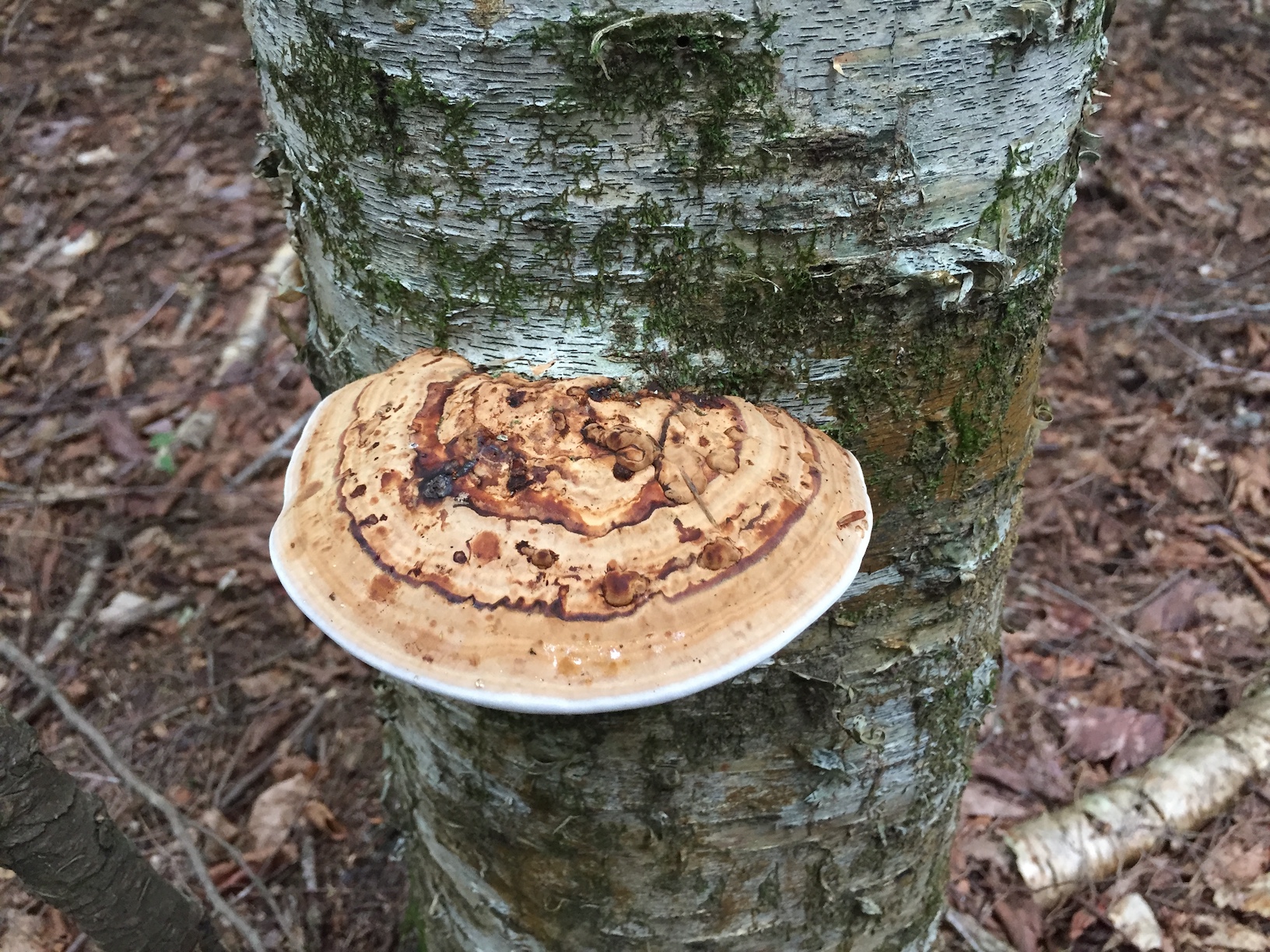
Rediscover the beauty of New Brunswick’s with a Wabanaki Tree Spirit Tour, where you will be immersed in local flora and fauna, and learn about the history and traditional uses of these plants in medicines, food and ceremonies.
Wabanaki Tree Spirt offers medicine walks, dream catcher workshops and culinary experiences for groups of 4-8 people. These tours will instill a sense of wonder and curiosity about the healing properties of plants within the forest and will be an excellent gift for any nature lover in your life.
https://wabanakitreespirit.com/
3. Waterfalls of New Brunswick: A Guide, 2nd Edition by Nicholas Guitard
Nicholas Guitard’s second edition of Waterfalls of New Brunswick: A Guide is the ideal gift for the hiking and waterfall enthusiast on your list. With a variety of short and long hikes, as well as varying difficulty levels and trail conditions, there is a waterfall for everyone in this book. This edition features well-known favorites from across New Brunswick, as well as 60 new waterfalls for you to discover. The book also includes important trail information, and tips on how to be respectful of nature while you are out exploring.
Try looking for this and other books on our gift guide at a local or independent bookstore in your area!

4. Wabanaki Maple (Local Indigenous Maple syrup company)
A delicious addition to any breakfast table, this year, give the gift of locally produced maple syrup. Maple syrup has been used by First Nations for centuries, and Wabanaki Maple is proud to harvest, boil and refine their syrup with techniques that have been passed down through generations. Wabanaki Maple is an Indigenous and woman-owned business located in Neqotkuk (Tobique First Nation).
This is truly a gift that gives back, as Wabanaki Maple is committed to helping to preserve the environment and helping Indigenous communities thrive.
https://www.wabanakimaple.com/
5. Seascape kayak tours
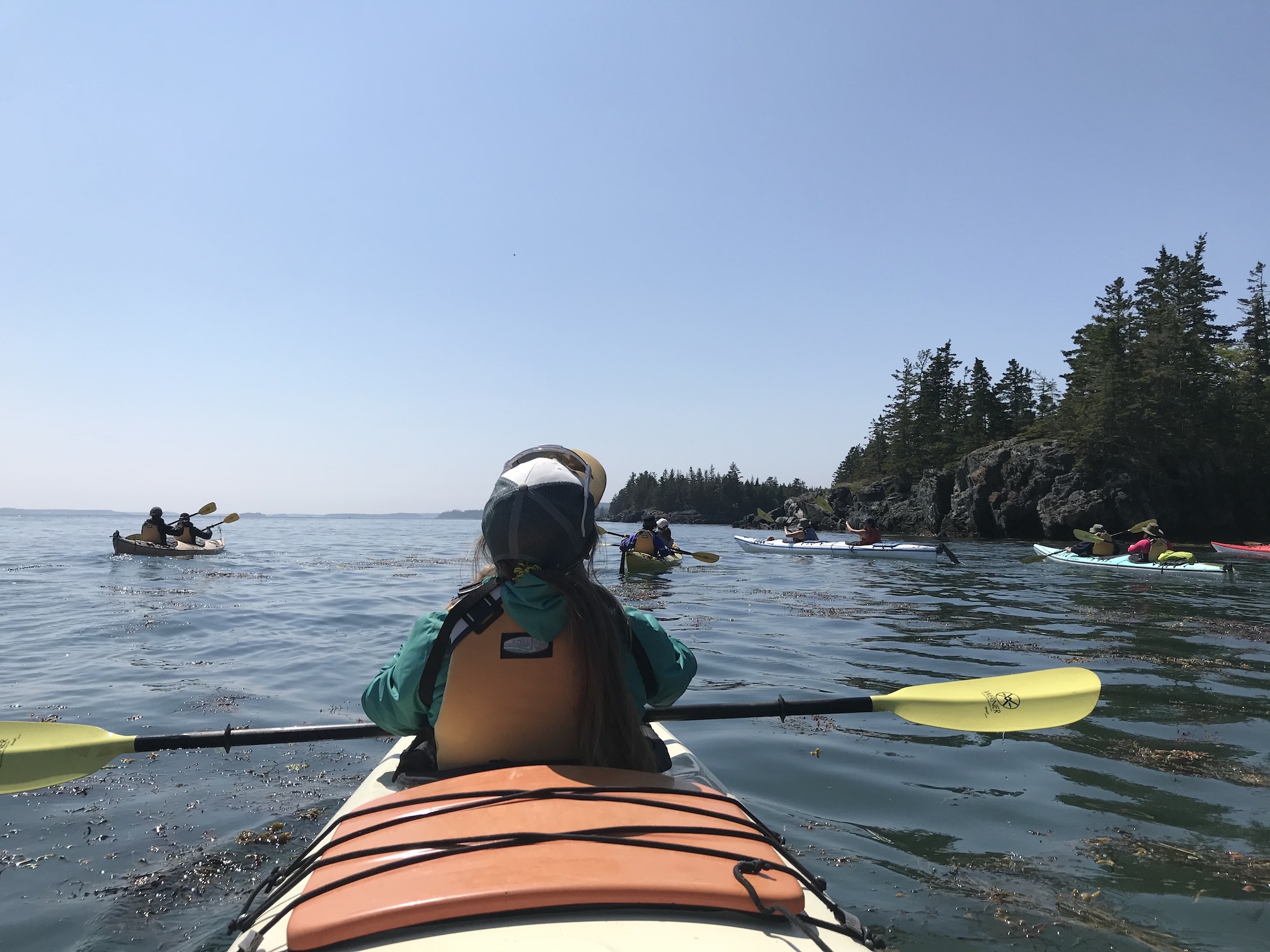
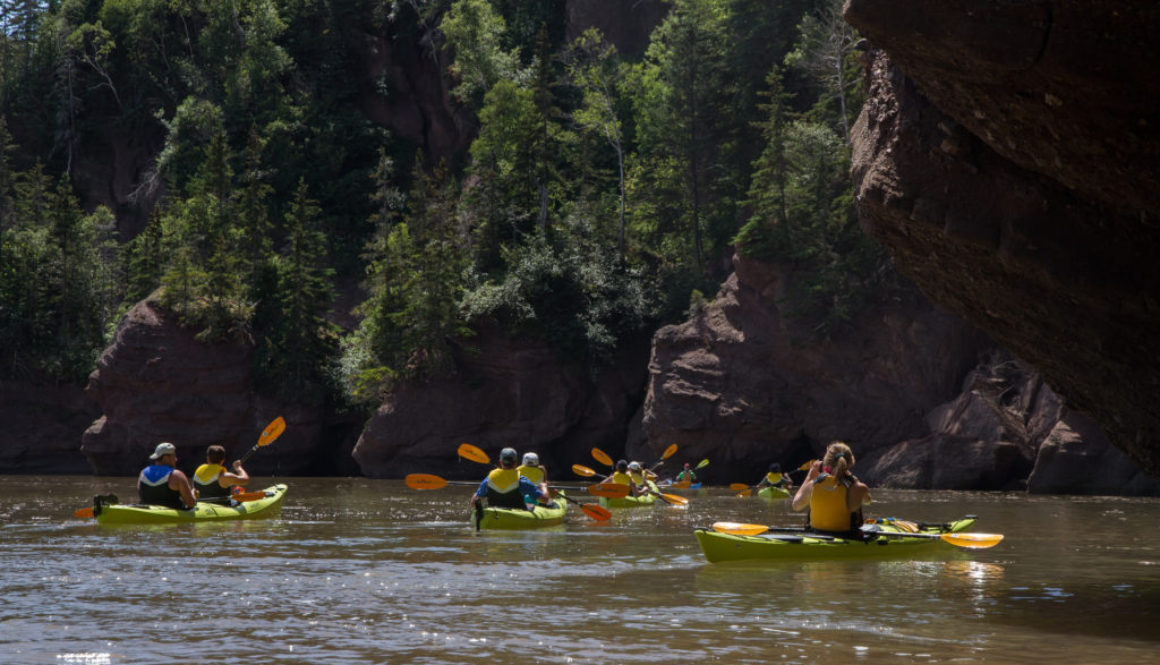
This experience is for the adventure seeker on your list. Seascape Kayak Tours is a breathtaking way to experience the coastal waters of Quoddy region. Launching from Deer island, Bruce Smith and his team of experienced guides will not only show you some of the most beautiful spots along the island’s coast, they also have intricate knowledge of the local ecosystem, dangers to its biodiversity and vison for protecting the beautiful waters you’ll see.
You can give the adventurer in your life an unforgettable excursion of either a full-day tour (6-7 hours), half-day tour (3-4 hours) or a sunset paddle (2 hours).
http://www.seascapekayaktours.com/
6. Visit the Elsipogtog Mi’kmaq Cultural Center
The last experience on our list this year is a visit to the Elsipogtog Mi’kmaq Cultural Center. Visit the Cultural Center or sign up for one of their Mi’kmaq Heritage Path Tours or Traditional Mi’kmaq Basket Making Tours. Whether you live in the area, or want to make it a road trip, this is a great way to gain a deeper understanding of the cultural practices of Mi’kmaq Peoples and their connection to the land.
https://heritagepathtour.com/tours-1
7. Restigouche: The Long Run of the Wild River by Philip Lee
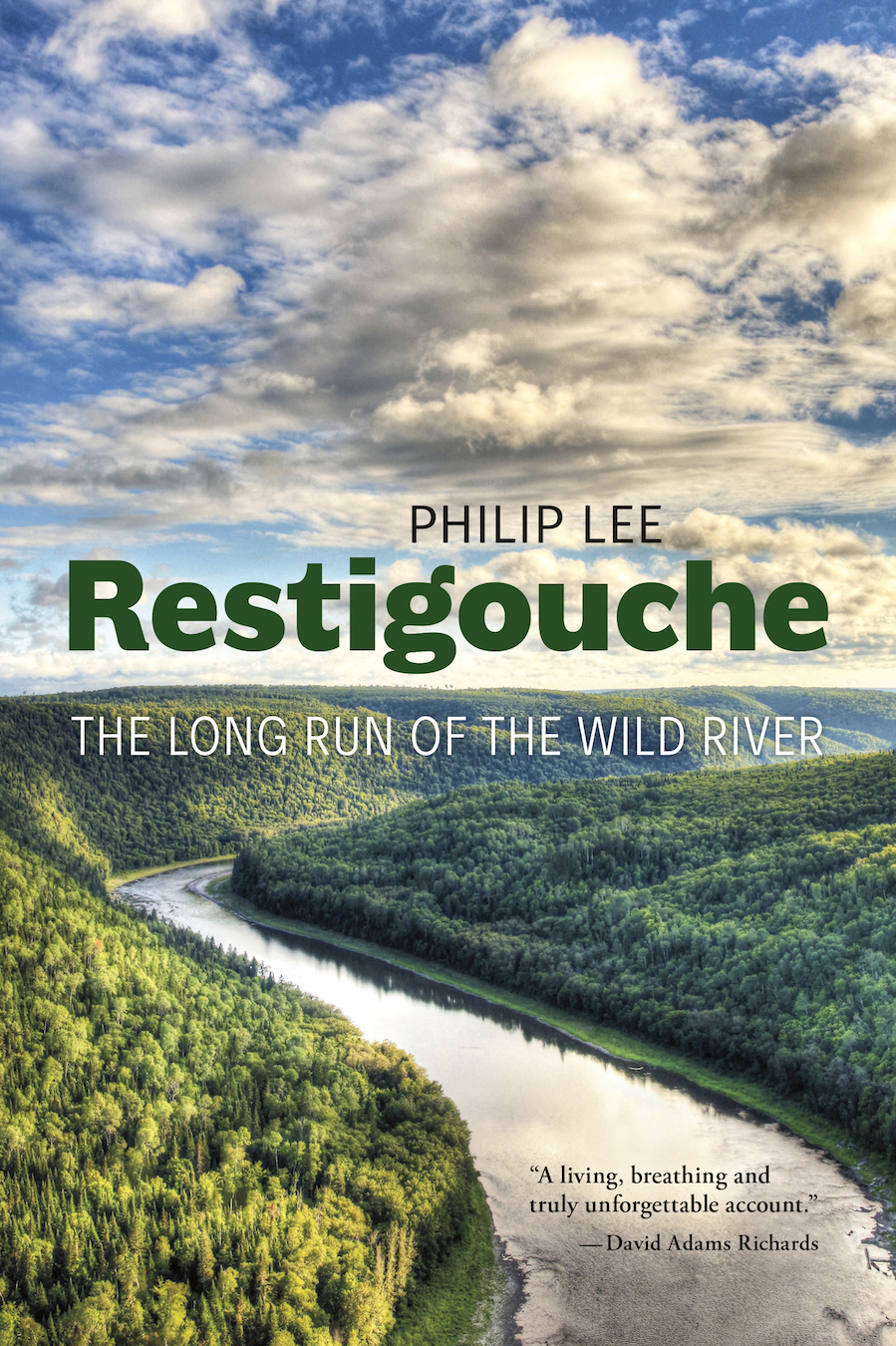
This book was featured on our list last year, but it remains one of our staff favorites to read and gift to the nature lover in your life. This book goes beyond the surface of the natural landscape and dives into the cultural significance and rich history of the Restigouche region. As a unique and irreplaceable area of our province, this book tells stories of the river and its people, making it a wonderful gift for anyone interested in learning more about the living history of these lands and waters.
8. Mi’kmaq Alphabet Book by Shayla Augustine
If you are looking for a gift for the kids in your life, then look no further. Inspire the next generation of naturalists and spark their sense of curiosity for the natural world around them, with the Mi’kmaq Alphabet Book, written by Shyla Augustine and illustrated by Braelyn Cyr. This book is a great way to introduce new words, languages and local biodiversity to the little ones on your list.
https://monsterhousepublishing.com/products/mikmaq-alphabet-book
9. Buy Local NB
 Didn’t find what you are looking for on our list? Check out the Buy Local NB directory, created by the Conservation Council of New Brunswick. Buying local gifts this year will support businesses right in your own community, as well as reduce environmental impacts associated with shipping products from other parts of the country or world.
Through the Buy Local NB directory, you can find all the food you need for a big holiday dinner from local farmers, maple syrup producers or all your favorite desserts from local bakers. The directory also contains all kinds of different crafts from their list of local artists, with a unique collection of local businesses, you are sure to find something for everyone on your list.
https://buylocalnb.ca/directory/
10. Make a donation to CPAWS NB
This year, you can give the gift of nature protection by making a donation in a friend or family member’s name to CPAWS NB. Your donations will support local conservation work, Environmntal education programs, and ensure the long term protection of the natural areas you love.
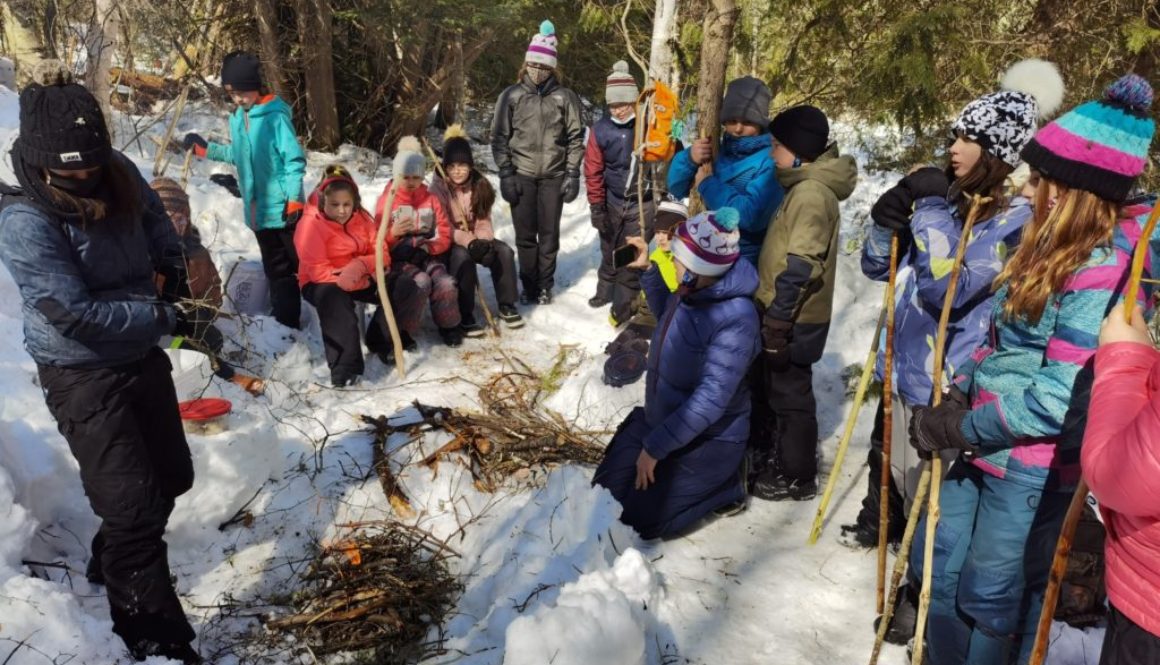
 With winter coming to an end and signs of spring all around us, New Brunswickers across the province are starting to spend more time outdoors. More people can be seen walking around their communities, and people are rediscovering their favorite parks. Now is the perfect time for teachers to be moving their classes outside! Whether it’s for a math, art, science or language lesson, there are many benefits to holding classes outside. Here are just three of the many benefits of outdoor learning:
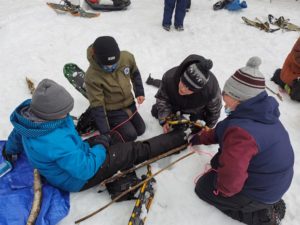 Nature can have many applications to lessons taught in the classroom. Science has a clear connection, as students learn about the natural world, and can see it first-hand. But all subjects, such as art, math, phys. Ed., and languages, can benefit from an interactive approach. Being outside can bring a subject to life, allowing students to better connect with and remember what is being taught.
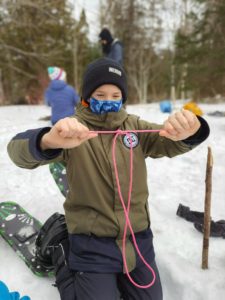 Now that you can see some of the ways that students benefit from learning while getting outside, here are five tips for enjoying the outdoors near your school while promoting your students’ learning.
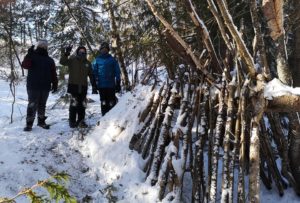 Establish clear regulations and guidelines: To ensure that lessons run smoothly in the outdoors, it is important for students to know what is expected of them. To achieve this, work with students to establish rules and expectations before going outside for lessons7.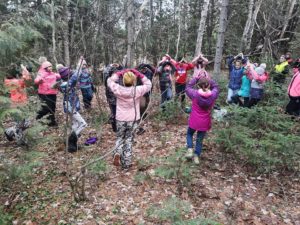
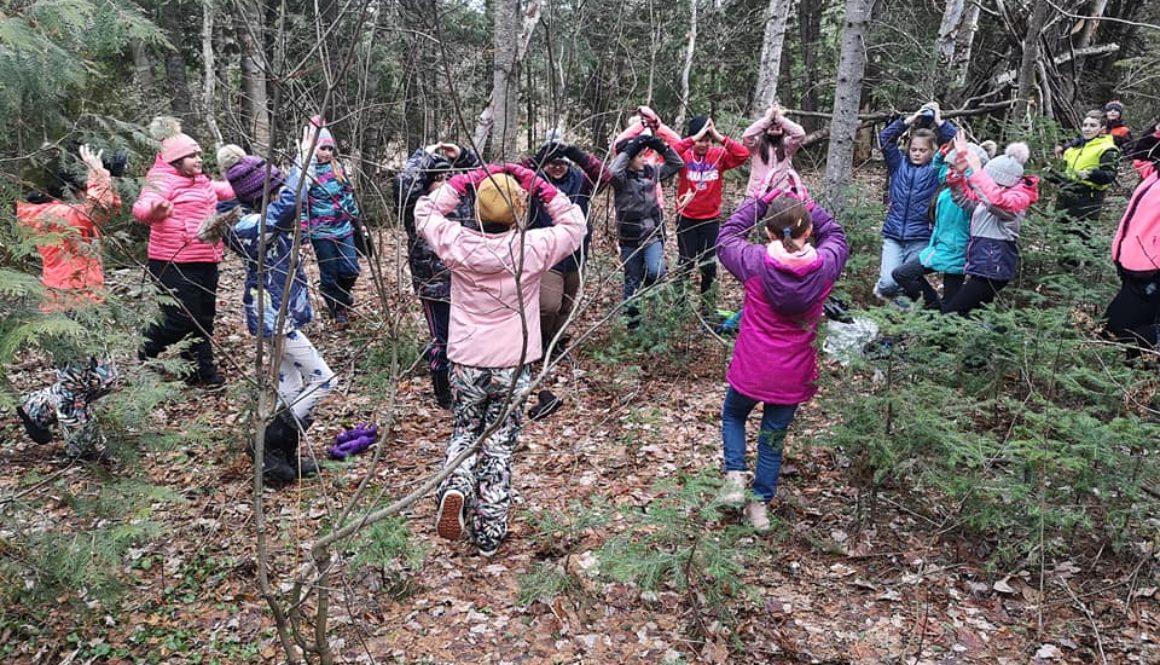
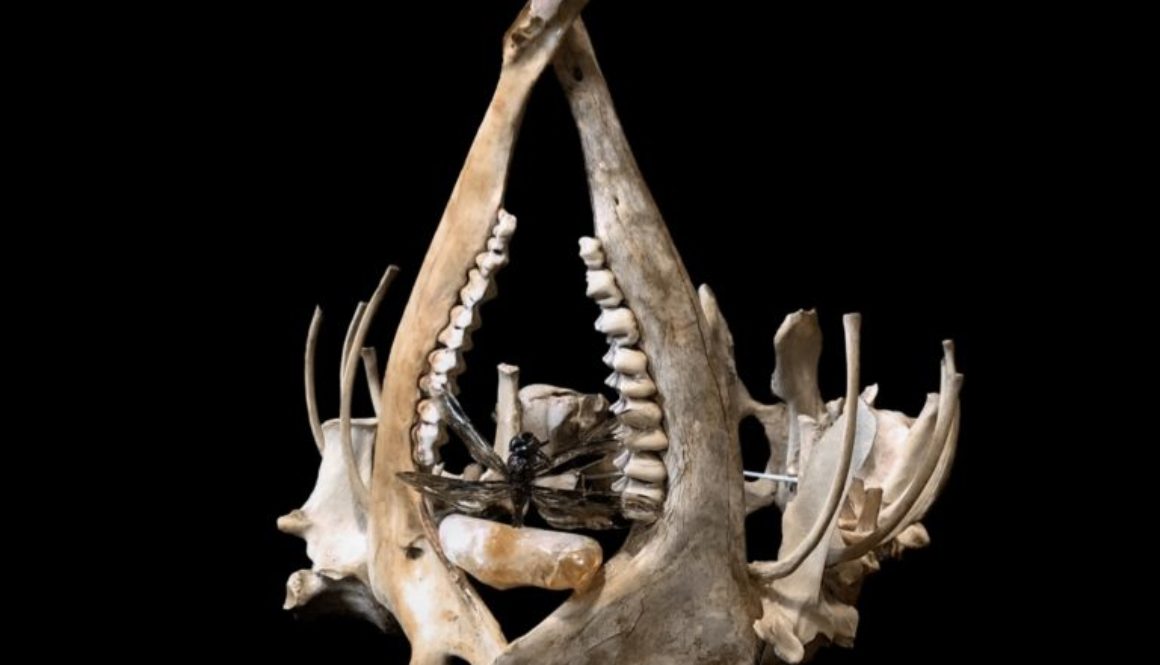
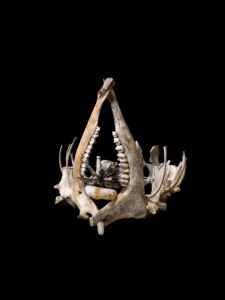
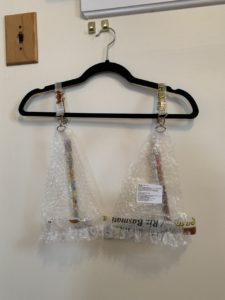
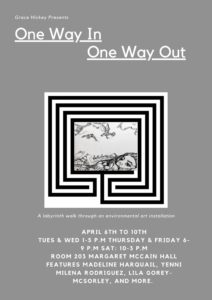 My name is Grace Hickey, and I am a third-year student at St. Thomas University studying in Environment and Society and Women’s and Gender Studies. For my Canadian Wilderness Stewardship Project, I have created an Environmental Art Installation which is being displayed in room 203 of Margaret McCain Hall on St. Thomas University Campus from April 6-10 with specific viewing times for the public to visit. The installation is titled “One Way In, One Way Out. A Labyrinth Walk through an Environmental Art Installation.” A labyrinth is an ancient symbol that relates to wholeness. Labyrinths have long been used as meditation and prayer tools and represent a journey to our own center and back out into the world. Artworks from a variety of mediums have been purposefully placed outside of the labyrinth to allow participants a contemplative moment with each piece. The installation features a number of local artists, whose work is reflective of their personal experiences surrounding our current ecological crisis. My hope is that participants will take a moment to reflect on their own personal stories and experiences and be able to take this forward as part of our collective solution. I am grateful to all of the artists who have helped me bring this vision of mine to life.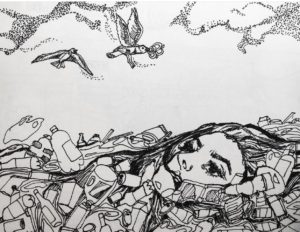
 7. Tell the Federal Government You Want a Green Recovery: The federal government is about to give the Canadian economy a multi-billion-dollar kick-start in an effort to recover from the COVID-19 crisis. CPAWS has joined environmental groups across Canada for