CPAWS NB invites you to our Thanks to Nature event on Thanksgiving Saturday, at Mactaquac Provincial Park! Join us for a walk around the Beaver Pond Trail, featuring activity stations along the way, spend time outside, enjoy the beautiful fall colours, and say thank you to nature.
Thanks to Nature is an opportunity to celebrate nature and give thanks for all it provides us. Whether you are thankful for nature’s resources, the beauty of the forest, or the health benefits it provides, join us for Thanks to Nature to share gratitude and be a part of a new holiday tradition.
This event includes a self-guided nature walk with on-trail interpretation and activity stations. Our CPAWS staff and partners will be on the trail with answers to your questions about nature, offer opportunities for reflection, and a chance to slow down and appreciate the beautiful nature around you.
Participants are welcome to join anytime between 11:00 AM and 2:00 PM and can walk along the trail at your own pace. The selected trail is an accessible route that is approximately 1.3 kilometers long and perfect for all outdoor experience levels. A Hippocampe all-terrain wheelchair can be requested for use.
This year we are excited to welcome partner organizations Ducks Unlimited, Conservation Council of New Brunswick. Friends of Mactaquac, Nashwaak Watershed Association, Nature NB and Parks NB.
What should I bring?
Please come prepared with water and sturdy shoes to walk in. Dress accordingly to the weather on the day.
Is the event free?
Yes, our event is free for participants. There will be refreshments available on the trail. Participants will be entered to win exciting prizes.
Grâce à la nature au park provincial Mactaquac
Description:
La SNAP N.-B. vous invite à notre évènement Grâce à la nature le samedi de l’Action de grâce, au parc provincial Mactaquac ! Venez vous joindre à nous pour une promenade sur le sentier des Castors, profitez du grand air, admirez les magnifiques couleurs de l’automne et dites merci à la nature.
Grâce à la nature est l’occasion de célébrer la nature et de la remercier pour tout ce qu’elle nous offre. Que vous soyez reconnaissant pour les ressources naturelles, la beauté de la forêt ou les bienfaits qu’elle apporte à la santé, rejoignez-nous pour Grâce à la nature afin de partager votre gratitude et de prendre part à une nouvelle tradition festive.
Cet évènement comprend une randonnée naturelle autoguidée avec des stations d’interprétation et d’activités le long du sentier. Notre personnel et nos bénévoles de la SNAP seront présents tout au long du sentier pour répondre à vos questions sur la nature, vous offrir des occasions de réflexion et vous permettre de ralentir et d’apprécier la beauté du monde naturel qui vous entoure.
Les participants sont les bienvenus entre 11 h et 14 h et peuvent parcourir le sentier à leur rythme. Le sentier sélectionné est un parcours accessible d’environ 1,3 kilomètre, idéal pour tous les niveaux d’expérience en plein air. Il est possible de demander un fauteuil roulant tout-terrain Hippocampe.
Cette année, nous sommes ravis d’accueillir nos organismes partenaires : Canards Illimités, Le Conseil de conservation du Nouveau-Brunswick, Les Amis du parc provincial Mactaquac, L’Association du bassin versant de la Nashwaak, Nature NB et Parcs NB.
Que dois-je apporter ?
Veuillez-vous préparer en apportant de l’eau et des chaussures robustes pour marcher. Habillez-vous en fonction de la météo du jour.
L’évènement est-il gratuit ?
Oui, notre évènement est gratuit pour les participants. Des rafraîchissements seront disponibles sur le sentier. Les participants seront inscrits pour gagner des prix amusants.
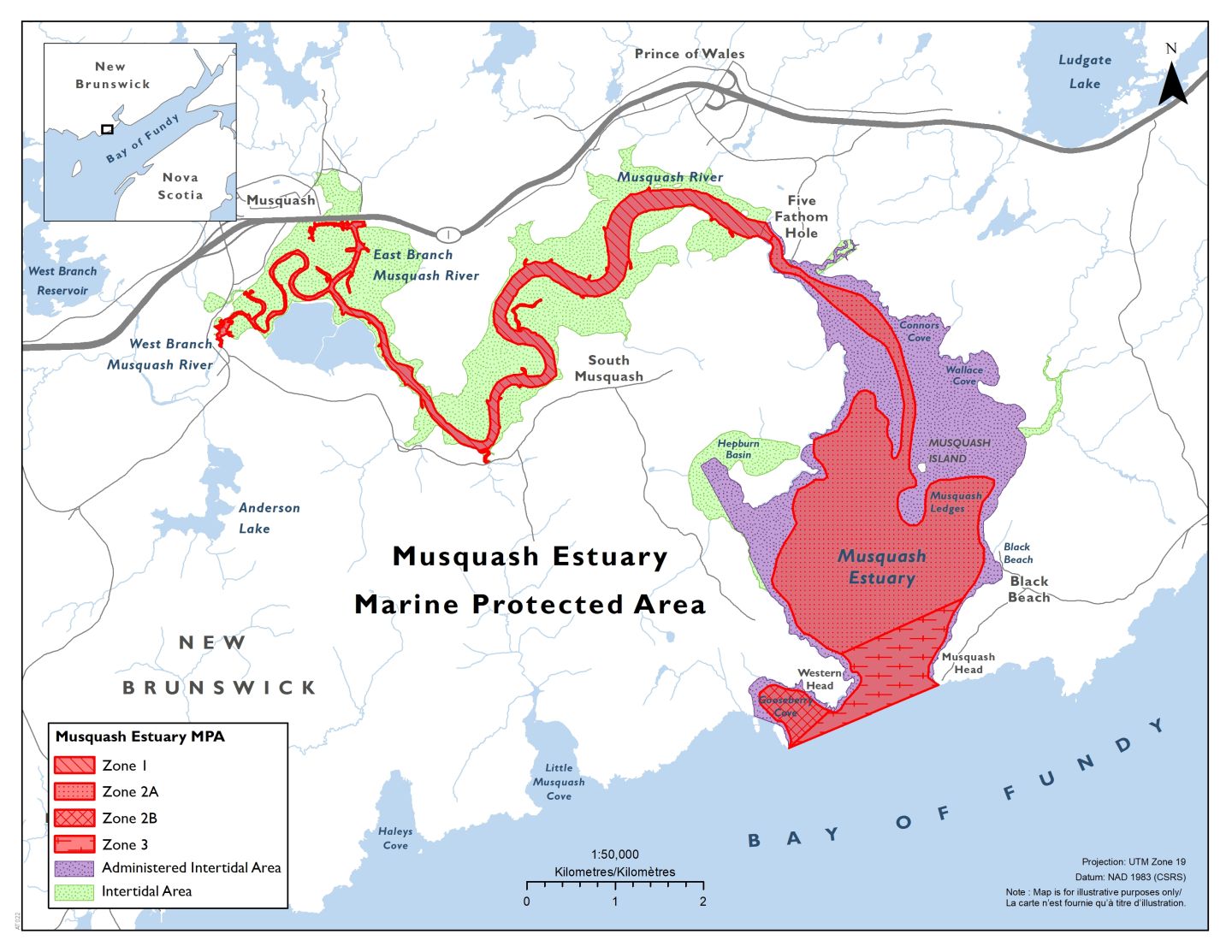
This year we are celebrating a major milestone for protecting New Brunswick’s ocean, the 20th anniversary of the Musquash Estuary Marine Protected Area (MPA). Just 20 kilometers southwest of Saint John, the Musquash Estuary is the first and only Marine Protected Area in New Brunswick and the Bay of Fundy.
How did the Musquash Estuary get protected?
Map by DFO
The journey to protect Musquash started with a passionate group of local community members. The Musquash Estuary was set to be developed as an industrial park, but the community came together to encourage the protection of the natural and community benefits of the area.
The Musquash Estuary MPA is an important example of what happens when many people come together. Local conservation organizations, a fishermen’s association, provincial and federal governments, and community members all played a key role in protecting the Musquash. Leading the charge was the Conservation Council of New Brunswick’s Fundy Bay Keeper at the time, David Thompson.
All of their hard work led to the Fisheries and Oceans Canada officially designating the Musquash Estuary as a Federal Marine Protected Area (MPA) on December 14, 2006.
Connecting the ocean to the land
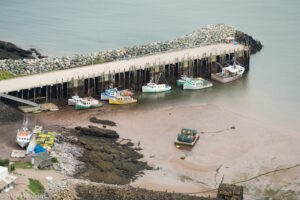
Fishing boats tied up in Chance Harbour (photo by Nick Hawkins)
Just years before in the late 1990’s, our CPAWS NB Executive Director, Roberta Clowater, began the work to encourage the provincial government to protect the wilderness in the Loch Alva forests and headwaters that flow into the Musquash Estuary. Loch Alva was established as a protected area by the Province of New Brunswick in 2003. Protecting the land and freshwater in the area strengthened the protection of two connected habitats.
Local landowners partnered with the Nature Conservancy of Canada (NCC) to donate their land to support conservation efforts. The story of Musquash shows the powerful impact communities can have when they come together to protect the natural spaces they value. Thanks to decades of collaboration and stewardship, this unique area remains one of the Bay of Fundy’s most important coastal habitats.
Estuaries don’t exist in isolation. An estuary is where freshwater from rivers and streams mix with saltwater from the ocean. Musquash is a part of a larger picture. Protecting the wetlands and forests that feed the estuary helps fish and other wildlife move between these habitats. It also supports the local food web.
Map by CPAWS NB
The Musquash Estuary is more than just a marine protected area – it is interwoven in habitats that flow and breathe together, that are now protected. Like a puzzle, different pieces come together to create a bigger, connected picture. While each piece is important on its own; they are stronger together. Each government plays their part in the total conservation picture.
The best part? The Musquash MPA and surrounding protected land is an example of what can be done across New Brunswick to protect the nature we love and the natural areas we all need.
Coming up next:
In our next blog on the Musquash we’ll talk about why it’s so important and what’s next for conservation in the Bay of Fundy. Stay tuned for Part 2 coming soon!
Today the Premier of New Brunswick is meeting with the Mayor of Tantramar and the proposed NB Power gas plant at Centre Village is one of the top items on the agenda. CPAWS New Brunswick is flagging two concerns about the proposed gas plant we hope will be raised at the meeting.
First, Tantramar has something exceptional to protect.
Photo by Melanie Bancroft
In 2022, Sackville, now part of Tantramar, became the first community in North America to be accredited as a United Nations Ramsar Wetland City. The designation recognizes the importance of our wetlands with a commitment to protect them and integrate them as community assets.
Tantramar has been doing exactly that, including through initiatives such as its naturalized stormwater system.
The proposed Centre Village gas plant pulls in the opposite direction. Its development would affect wetlands on both private and public lands within municipal boundaries. At the very least, that raises a serious question about how such a project can be reconciled with Tantramar’s and Canada’s international Ramsar commitments and the reputation the community has created around wetland conservation.
Second, the location matters far beyond the individual wetlands affected.
Last fall, the Premier joined other Eastern Canadian Premiers and New England Governors in supporting Resolution 46-3 on ecological connectivity. The Chignecto Isthmus is one of the most important wildlife corridors in the region, so it is a priority place to implement the resolution. The Southeast Regional Service Commission is developing a regional plan and considering how connectivity can be conserved and linked to tourism and healthy recreation opportunities.
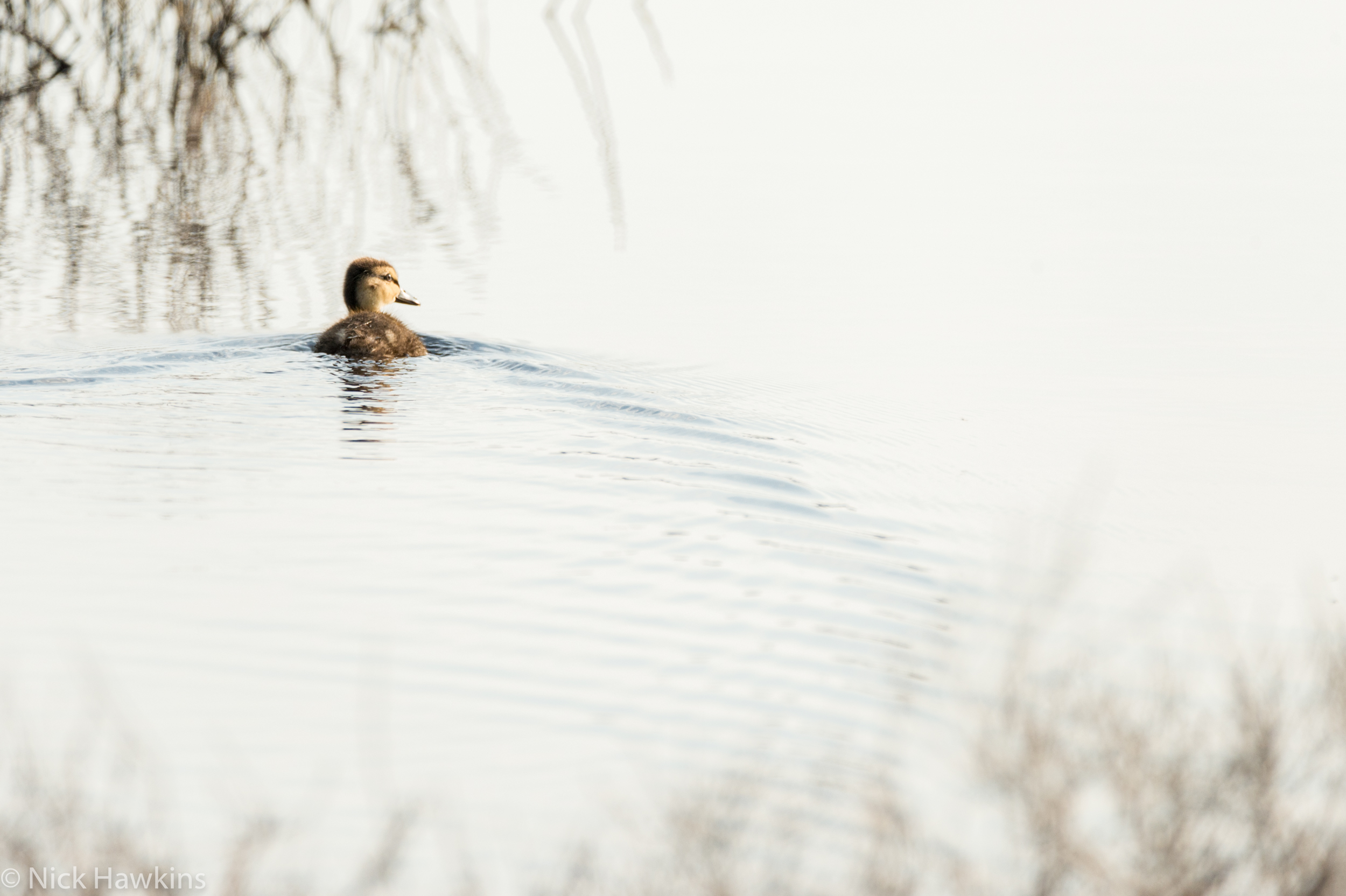
Duckling by Nick Hawkins
It is difficult to square that commitment with placing a major new industrial facility in the heart of this landscape.
We hope the Mayor of Tantramar will ask the Premier to ensure that decisions about the Centre Village project reflect both of these commitments: Tantramar’s internationally recognized responsibility for its wetlands, and the Province’s own commitment to protect ecological connectivity through the Chignecto Isthmus.
These concerns go directly to the kind of community Tantramar has chosen to become and the commitments governments have made about this landscape.
Visit the Huntsman Marine Science Centre and join us in celebrating World Conservation Day! Our team will be set up at a booth during this event with fun nature-based activities, and information on our conservation work! Stop by our booth to test your knowledge of local wildlife and win prizes.
We are looking forward to celebrating World Conservation Day with you!
*Note, there is a fee to enter the Huntsman Marine Science Centre.
Rejoignez l’équipe de la SNAP N.-B. au Centre des sciences de la mer Huntsman à St. Andrews le 25 juillet !
Le samedi 25 juillet de 9 h 30 à 15 h 30
Centre des sciences de la mer Huntsman, St. Andrews : 1 chemin Lower Campus St. Andrews, NB E5B 2L7
Tous les âges sont les bienvenus !
Visitez le Centre des sciences de la mer Huntsman et rejoignez-nous pour célébrer la Journée mondiale de la conservation ! Notre équipe sera à un kiosque pendant cet événement avec des activités amusantes basées sur la nature, et des informations sur notre travail de conservation ! Arrêtez-vous à notre kiosque pour tester vos connaissances sur la faune et la flore locales et gagner des prix.
Nous avons hâte de célébrer la Journée mondiale de la conservation avec vous !
*Remarque* : l’entrée au centre des sciences de la mer Huntsman est payante.
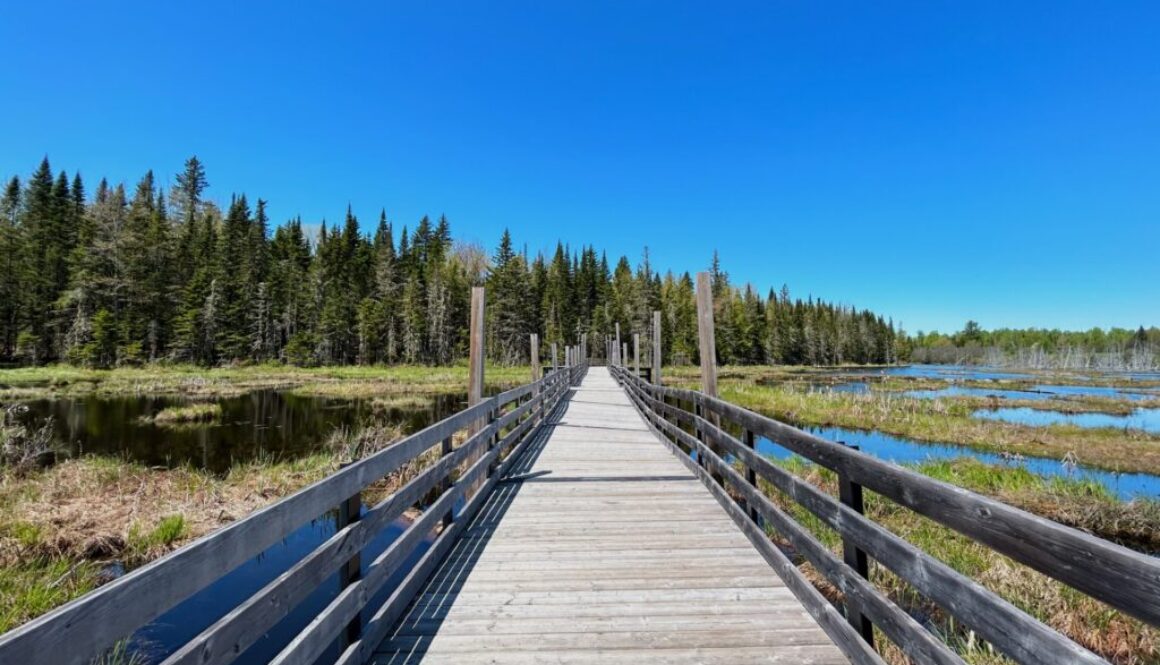
Our staff will lead a guided nature walk around the Beaver Pond Trail, where participants can experience nature in a comfortable way while learning more about the plants & animals that call the park home. The critter dipping activity allows participants to get up close to the wildlife of the pond.
We are looking forward to seeing you at the Beaver Pond!
—
Rejoignez l’équipe de la SNAP N.-B. au parc provincial Mactaquac le 21 juillet, de 13 h à 15 h, pour une promenade en nature et une activité de trempage de bestioles !
Notre équipe mènera une promenade guidée autour du sentier de l’étang des castors. Les participants peuvent découvrir la nature d’une façon confortable et en apprendre plus sur les plantes et les animaux qui vivent dans le parc. Pendant l’activité de trempage des bestioles, les participants chercheront la faune et la flore de l’étang.
Nous avons hâte de vous retrouver à l’étang des castors !
Join us to learn more about the wildlife of the Northumberland Strait!
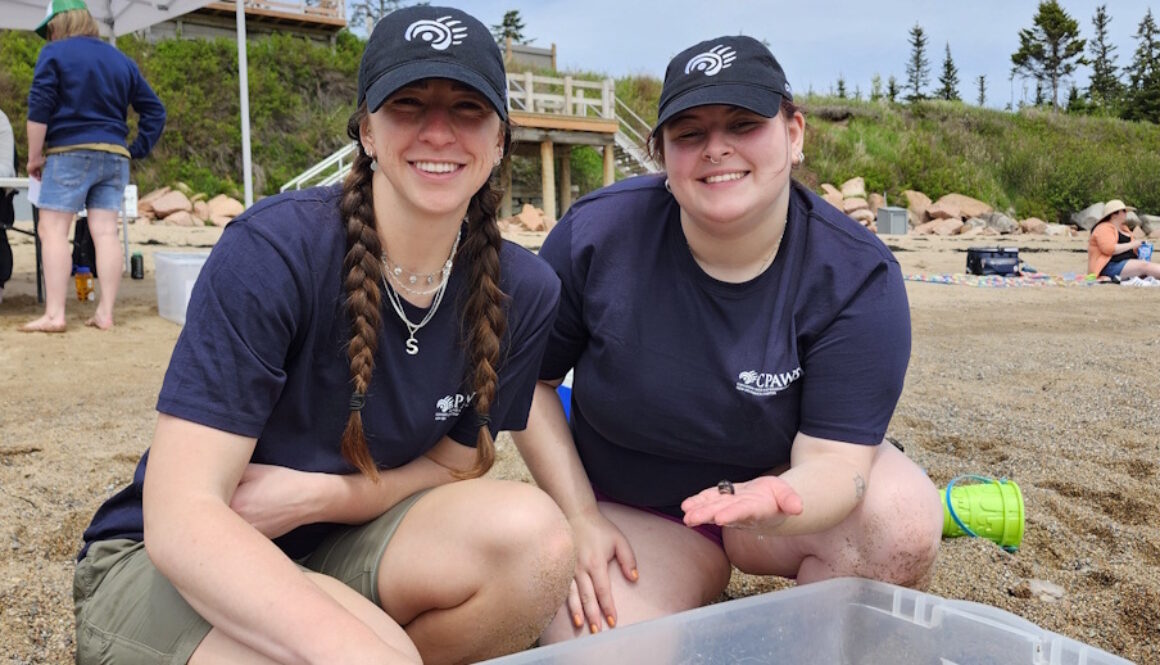
We will be at Parlee Beach on Friday June 26th from 12:00 – 3:00 and Murray Beach on Saturday June 27th from 10:00 – 1:00 for Seashore Explore activities, wherebeachgoers are invited to join us for beachfront games and explore the touch tank that will showcase wildlife that we share the beach with.
Meet us on the beach (near the main entrance) for FREE drop-in activities, no registration required, join us at any of the times listed above.
Time and place
Parlee Beach: June 26th 12:00 to 3:00 (221 Parlee Beach Rd, Pointe-du-Chêne)
Murray Beach: June 27th 10 to 1 (1679 NB-955, Little Shemogue)
Our staff will be sharing their knowledge and love for the plants and animals that call this park home. We cannot wait to explore with you!
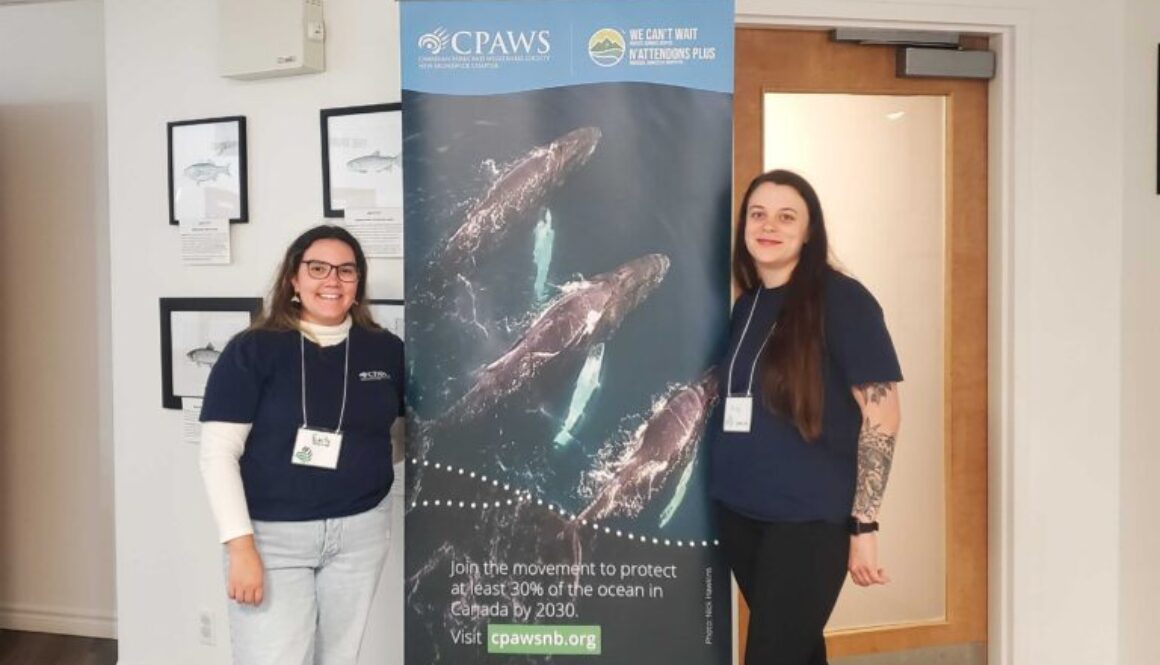
CPAWS New Brunswick is excited to welcome two new additions to our staff for the summer! Melodie Dupont and Sarah Hobbs will be joining us as summer conservation assistants.
Get to know our new staff below!
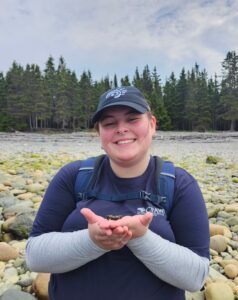
Melodie- Hi everyone! My name is Melodie Dupont, I grew up in Saint John, NB. I’m so grateful to have been chosen to work for CPAWS NB. I started my post-secondary education at the University of Prince Edward Island in environmental studies but decided to transfer into the earth sciences program at the University of New Brunswick this fall. I love teaching and sharing my love for nature and geology. In my free time I play softball, read, craft, and volunteer as often as I can for local watersheds.
Sarah Hobbs
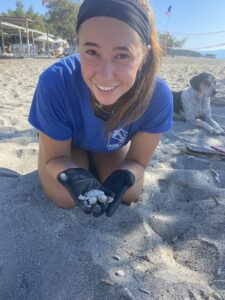
Sarah- My name is Sarah Hobbs and I’m so excited to be joining the CPAWS NB team this summer! I grew up in Ontario but moved to Nova Scotia to complete a bachelor’s in biology at Acadia University and then a Master of Marine Management from Dalhousie University. I’ve always had a strong passion for conservation, ecology, and science communication. Over the last few years, I’ve gotten to build on these passions through a variety of work experiences including my undergraduate research on plant insect interactions, post-grad work in sea turtle conservation and my master’s research on Inuit fisheries governance. I’m looking forward to spending this summer getting people as excited as I am to spend time out in nature!
What first sparked your interest in the environment?
Melodie- I grew up on the waterfront of the Saint John River and reversing falls. I was always so fascinated by the animals and their interactions with nature, which sparked my interest in nature. In high school I joined the environment committee and got to create a composting program in the elementary portion of my school which helps reduce food waste from the landfill. This committee made me realize my next steps in my education. My highlight in university so far was learning about earth’s physical processes and natural hazards with Professor Rick Schneider at the University of PEI. My courses lead to my passion for geological processes and landforms such as the fascinating oxbow lakes. I can’t wait to share my passion with you while appreciating this province’s wilderness.
Sarah- I was lucky to have grown up with parents that loved the outdoors and took me camping, hiking, swimming and canoeing at a young age. When I was growing up, I would go on family trips to the east coast of Canada where I fell in love with the ocean which led me to moving to Nova Scotia. During my undergrad I started taking more ecology classes and realized that spending time in nature doesn’t just need to be a hobby, it can be something I turn into a career. All my experiences since then have impacted my relationship with the environment and inspired me to encourage other people to develop their own relationship with the environment.
What are your favourite ways to enjoy nature in New Brunswick?
Melodie Dupont
Melodie- My favourite way to enjoy nature is on walks, they allow me to see so many interesting plants and creatures as well as feeling engulfed in nature. I also like to appreciate the smells and sounds of nature while reading a book outside. This summer I plan to go out camping, fishing and swimming more.
Sarah- Some of my favourite ways to enjoy nature are running, hiking, fishing, and camping. I love running and like to use it as another reason to spend more time outside and find it’s a great way to explore new places, parks and trails. I also like slowing down and going on walks and hikes to look for interesting mushrooms and insects. Some of my other hobbies include fishing and camping because they allow me to slow down and spend time being present in nature.
What part of working for CPAWS NB are you most looking forward to?
Melodie- I am most excited to work on the Get Outside! NB program. I am looking forward to leading a nature walk and pointing out all of nature’s beauty in New Brunswick. This program is a great way to connect people of all ages and abilities to nature while teaching them how to respect nature and enjoy it. I’m hoping to be able to connect with people and help them take the actions needed to protect our provinces culturally and ecologically important areas.
Sarah- I’ve always been really passionate about science communication and making science and nature accessible to everyone. That’s why I’m looking forward to being part of the Get Outside! NB project where I’ll have the opportunity to build on my own science communication skills while getting the public excited about being outside and strengthening their connection with nature. I’m excited to get to learn from the experienced staff at CPAWS NB and to learn more about the conservation work and successes CPAWS has been part of.
Melodie and Sarah are so excited to get to work on Get Outside! NB events and other projects. Keep an eye out for the CPAWS NB team at your local parks this summer. We cannot wait for you to Get Outside with us.
Every Thursday in the summer, the Garrison Night Market takes over the historic downtown Garrison District in Fredericton!
CPAWS NB is excited to be at the Garrison Night Market on June 18th and July 16th – Join us from 4:30 to 9:00 pm.
Our staff of Environmental Educators will have fun nature-themed activities and games that put your New Brunswick wildlife knowledge to the test! We will also be giving away a CPAWS NB prize pack each night at the Garrison.
Do you want to learn more about our conservation work and what you can do to help nature? Our team will be ready to answer questions and pass along helpful tips!
Clean water starts in nature. Forests, wetlands, and rivers help filter and store the water communities depend on every day.
Protecting Nature Is Protecting Water
When we think about clean water, we often think about treatment plants, wells, and testing. But long before water reaches our homes, nature is already doing the work. New Brunswick’s wetlands, forests, and peatlands filter water, store it, reduce flooding, and help keep rivers and lakes healthy. That means protecting nature is one of the smartest ways to protect water.
That is why the Canadian Parks and Wilderness Society – New Brunswick Chapter (CPAWS NB) made recommendations to the all-party Standing Committee on Environment and Climate Change on how to modernize the province’s Clean Water Act. This review is a chance to create stronger water protections that reflect today’s climate and conservation challenges.
At the heart of CPAWS NB’s message are three big ideas:
Put watershed-scale planning into law
Better align drinking water watershed protection with protected areas policy
Strengthen safeguards for wetlands, peatlands, and coastal habitats
Idea 1 – Put Watershed-Scale Planning into Law
New Brunswick’s water laws were built for an earlier era, one focused mainly on treatment and localized protection. But climate change, cumulative land-use impacts, and mounting pressure on rivers, wetlands, and groundwater mean that approach is no longer enough.
Healthy watersheds help prevent flooding, protect drinking water, support fish habitat, and lower future costs tied to pollution and property damage. Investing in watershed protection now can save money and reduce risk later.
New Brunswick already has a Water Classification Regulation that could support watershed management, but it has never been implemented. An updated Clean Water Act should finally close that gap.
Here is what that could look like in practice:
Require watershed management plans for all 13 major watersheds in New Brunswick
Create a Watershed Protection Regulation developed with Indigenous Nations, watershed groups, and municipalities
Make cumulative effects assessment explicit so permits account for watershed-wide impacts
Establish a Watershed Stewardship Fund to support local monitoring and restoration
Idea 2 – Connect Drinking Water Protection with Protected Areas
About 40% of New Brunswickers get their drinking water from surface watersheds These are the connected lands, streams, lakes, and rivers that collect and move water across the landscape. Communities such as Edmundston, Dalhousie, Bathurst, Moncton, and Saint John depend on these watersheds. The rest of the population relies mainly on groundwater connected to wells.
New Brunswick has 29 protected drinking water watersheds that limit some land use to help keep pollution out of public water supplies. But these areas are not integrated into the province’s protected areas system.There is a gap between protecting water quality and protecting the forests and wetlands that make clean and plentiful water possible.
CPAWS NB recommends government align the Clean Water Act with the Protected Natural Areas Act so that the most water-protective parts of drinking water watersheds, such as headwater forests and wetlands, are secured for essential water supply protection.
One practical way to do this is through a tiered protection model:
Core Protection Zones: Headwater forests, streams, wetlands, and significant recharge zones would be formally protected and managed for ecological integrity and water protection. On Crown land, these could be protected under the Protected Natural Areas Act.
Managed Buffer Zones: Surrounding areas would stay under the Clean Water Act but with stronger buffers, cumulative effects assessments, and stricter land-use rules.
Broader Watershed Planning: Entire watersheds would be governed through integrated planning across forestry, agriculture, and development.
Other parts of Canada and the world are connecting source water protection with broader conservation planning, and New Brunswick can do the same.
Securing key drinking water areas as protected areas, especially on Crown land, would help New Brunswick advance water security, biodiversity goals, and climate resilience at the same time, and allow water-friendly land use in surrounding areas.
Case Study: Saint John Shows What This Could Look Like
Saint John offers a local example of how drinking water watersheds can also be conservation areas, when the right tools and partnerships are in place.
In the Loch Lomond and Spruce Lake watersheds, 4,800 hectares of municipally owned land have been protected through partnerships among the Nature Conservancy of Canada, the City of Saint John, and provincial and federal governments.
These lands are being protected to:
Conserve intact forests, wetlands, and shorelines
Safeguard drinking water quality and quantity
Reduce water treatment costs through natural filtration
Contribute to provincial conservation targets
The Saint John example shows that drinking water watersheds can protect a public necessity and natural landscapes. A modernized Clean Water Act could help formalize and expand this kind of approach across the province.
Idea 3 – Strengthen Protection for Wetlands, Peatlands, and Coastal Habitats
Wetlands cover about 9% of New Brunswick and deliver major public benefits. They absorb floodwaters, store carbon, reduce fire risk, and provide habitat for wildlife.
Peatlands are especially important because they lock away significant amounts of carbon. Yet they lack strong protection and many are being mined for peat. Peatlands are irreplaceable carbon reserves, biodiversity strongholds, and part of the natural systems that help communities adapt to climate change.
To strengthen protection for these habitats, CPAWS NB recommends the revised Clean Water Act:
Remove the exemption of peatland projects from the Watercourse and Wetland Alteration regulation
Create a “no net loss of area” standard for provincially significant wetlands, not just a no net loss of function standard
Strengthen mandatory buffers around wetlands and watercourses, with higher standards for sensitive ecosystems and flood-prone areas
A Chance to Build a Stronger Water Future
Modernizing the Clean Water Act is a chance to recognize wetlands, forests, and peatlands as protectors of water and to future-proof water protection against climate change, biodiversity loss, and increasing industrial pressure on freshwater supplies.
As our climate gets hotter and demand for water grows, New Brunswick needs enforceable rules that protect both water quality and water quantity. Clean and plentiful water is not optional. It is a necessity for healthy communities, thriving wildlife, and a resilient future.
That is why CPAWS NB is urging the province to act now, and to build a Clean Water Act that reflects the reality that to protect water we need to protect nature.
Update – July 2026
CPAWS NB’s recommendations are reflected in the Standing Committee on Environment and Climate Change’s report on what it heard through public hearings and submissions. We are encouraged that the Committee included key details from our submission. The next step is for the Government of New Brunswick to bring forward strong changes that modernize the Clean Water Act to better protect freshwater and wetlands. To read the report from the legislative committee reviewing the Clean Water Act, which includes our recommendations, see here.: EnglishFrench
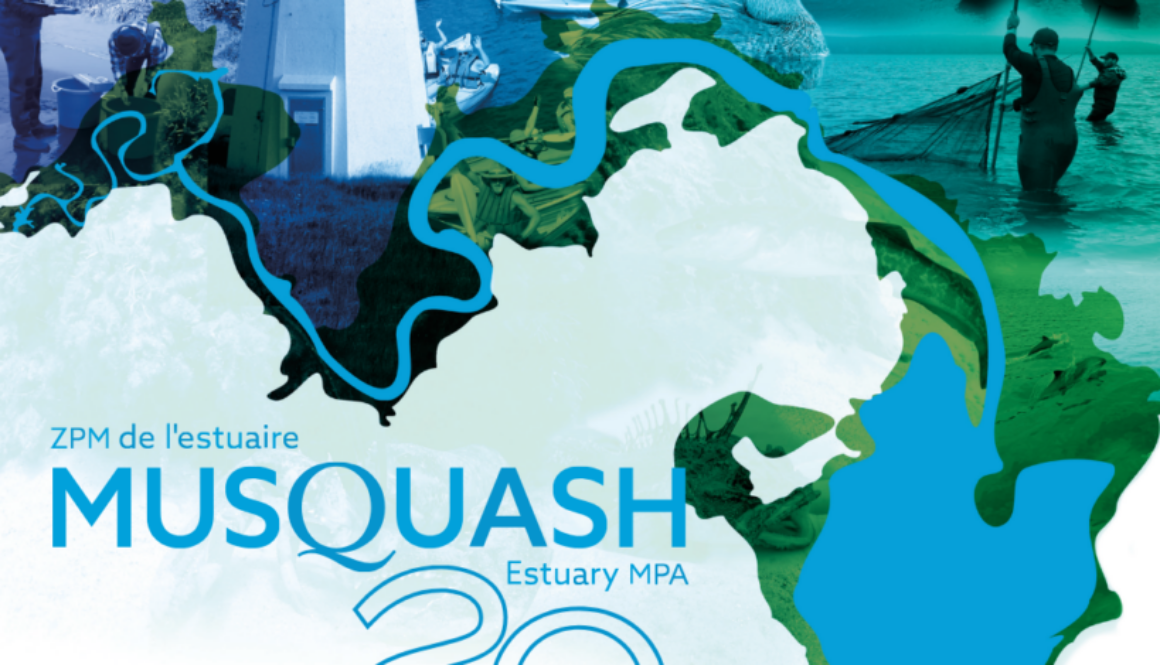
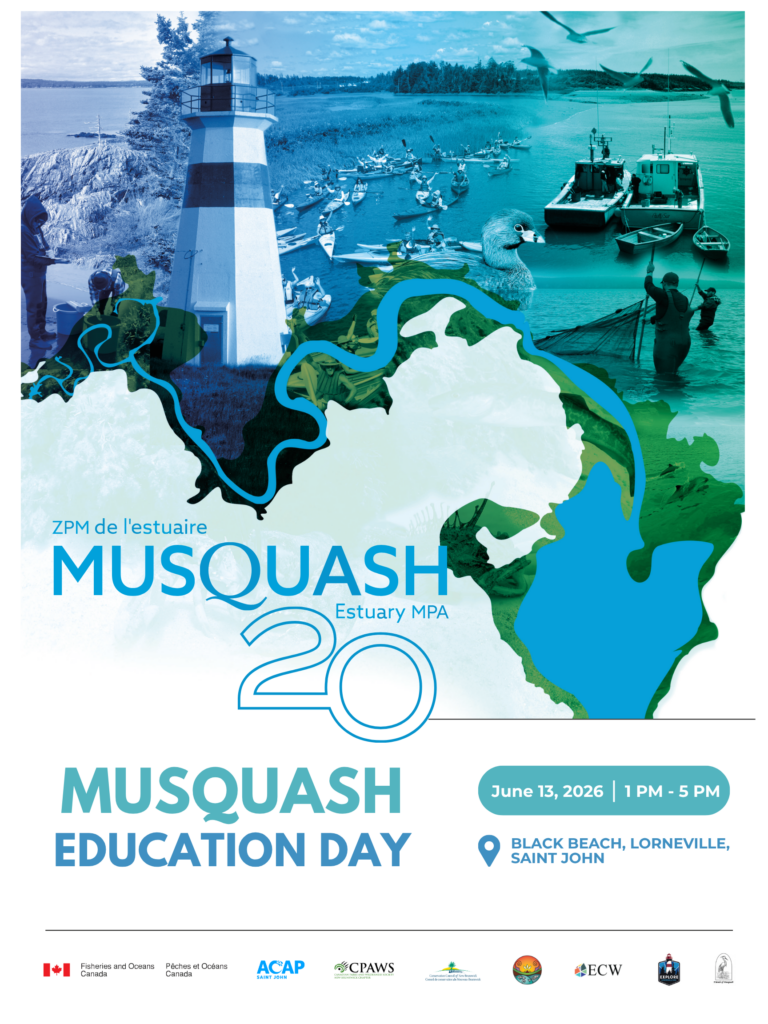
The Musquash MPA is turning 20 this year and you are invited to join the celebration!
Join us at Black Beach on Saturday, June 13th from 1-5, for a full day of family friendly activities.
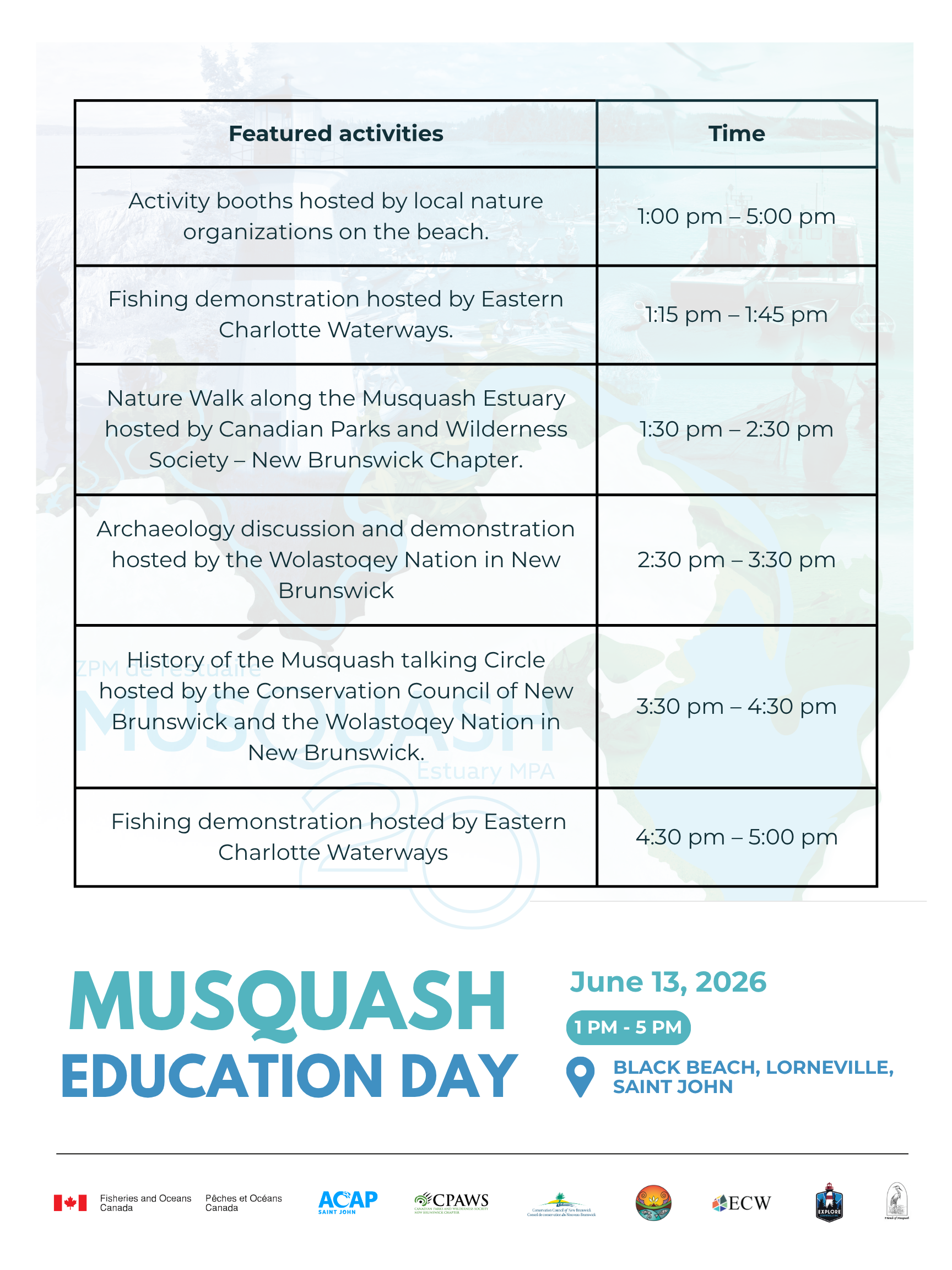
Featured activities include:
1:00 – 5:00 pm – Activity booths hosted by local nature organizations on the beach
1:15 – 1:45 – Fishing demonstration hosted by Eastern Charlotte Waterways
1:30 – 2:30 – Nature Walk along the Musquash Estuary hosted by Canadian Parks and Wilderness Society – New Brunswick Chapter
2:30 – 3:30 – Archaeology discussion and demonstration hosted by the Wolastoqey Nation in New Brunswick.
3:30 – 4:30 – History of the Musquash talking Circle hosted by the Conservation Council of New Brunswick and the Wolastoqey Nation in New Brunswick
4:30 – 5:00 – Fishing demonstration hosted by Eastern Charlotte Waterways
This is a FREE event. All ages and outdoor experience levels are welcome.
Did you know, the Musquash is the only Marine Protected Area (MPA) in the Bay of Fundy? MPAs help keep the most important habitats intact, healthy, and productive for all the wildlife and human communities that depend on them. The Musquash MPA safeguards the largest ecologically intact estuary in the Bay of Fundy, and the abundance of plants and wildlife that live in the estuary.






 That is why the Canadian Parks and Wilderness Society – New Brunswick Chapter (CPAWS NB) made recommendations to the all-party Standing Committee on Environment and Climate Change on how to modernize the province’s Clean Water Act. This review is a chance to create stronger water protections that reflect today’s climate and conservation challenges.
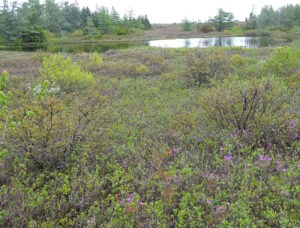 Peatlands are especially important because they lock away significant amounts of carbon. Yet they lack strong protection and many are being mined for peat. Peatlands are irreplaceable carbon reserves, biodiversity strongholds, and part of the natural systems that help communities adapt to climate change.