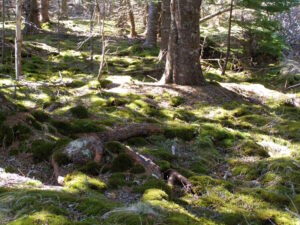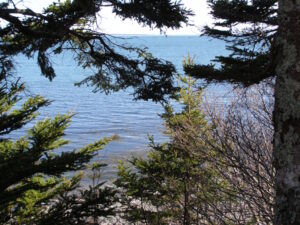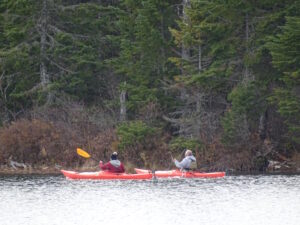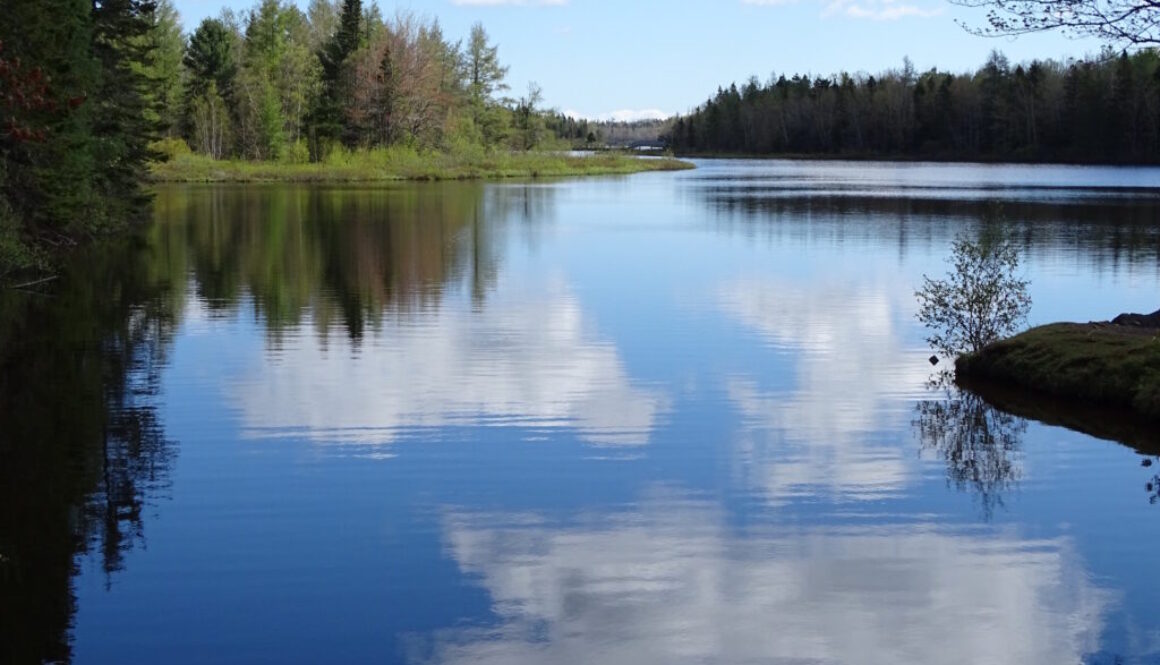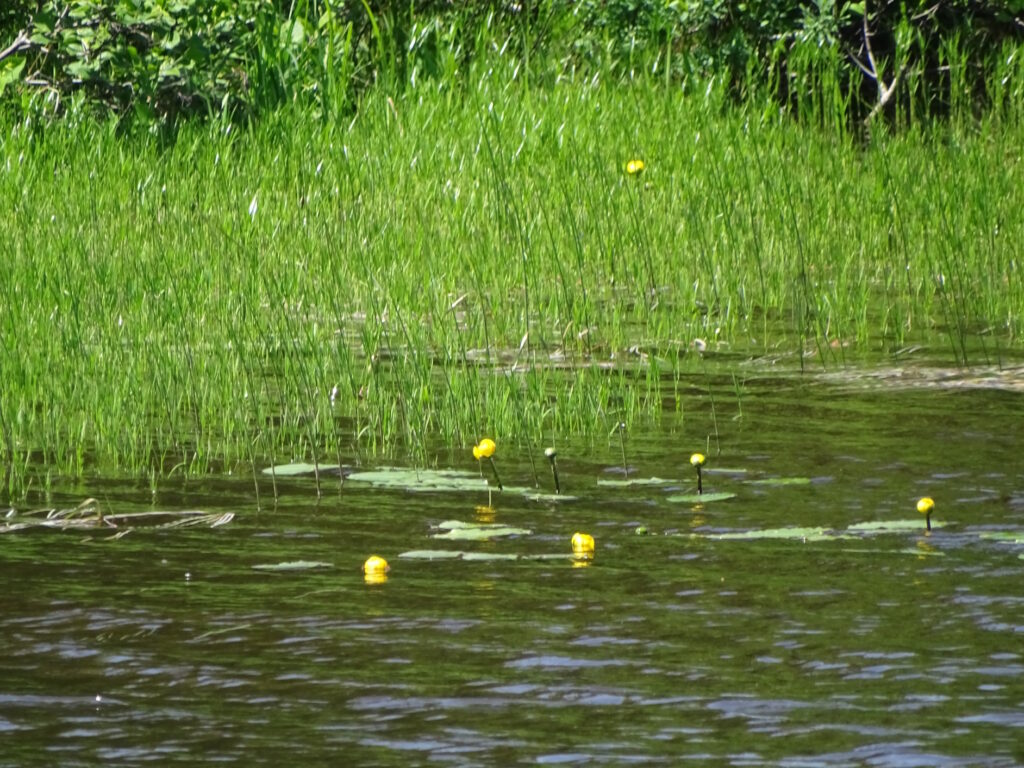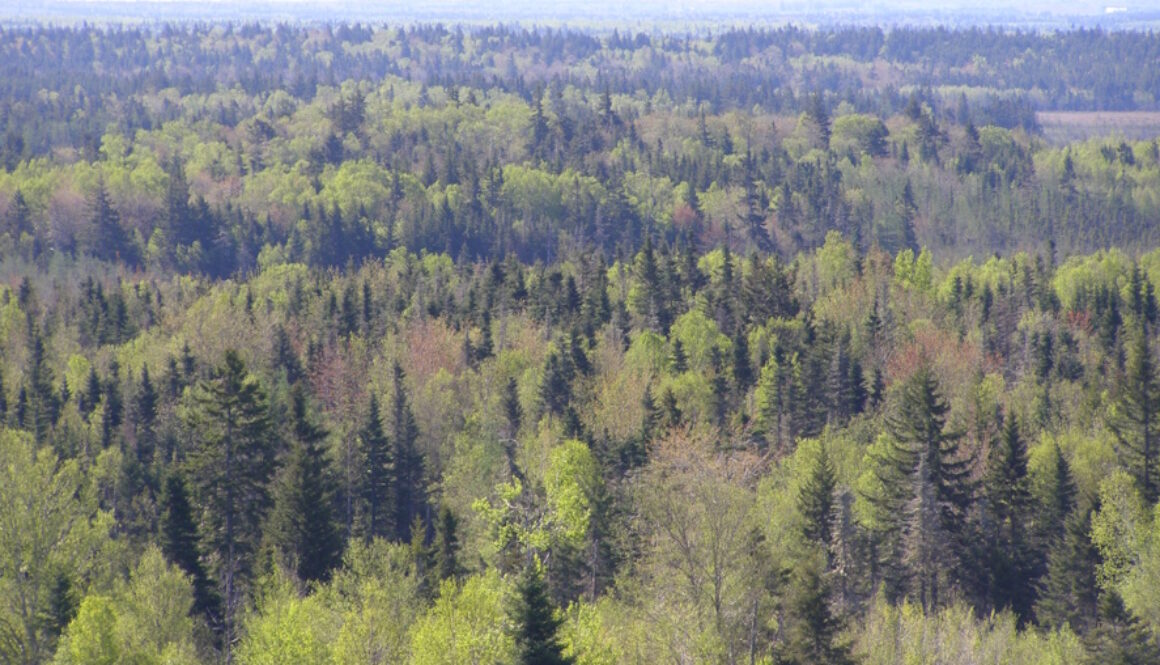

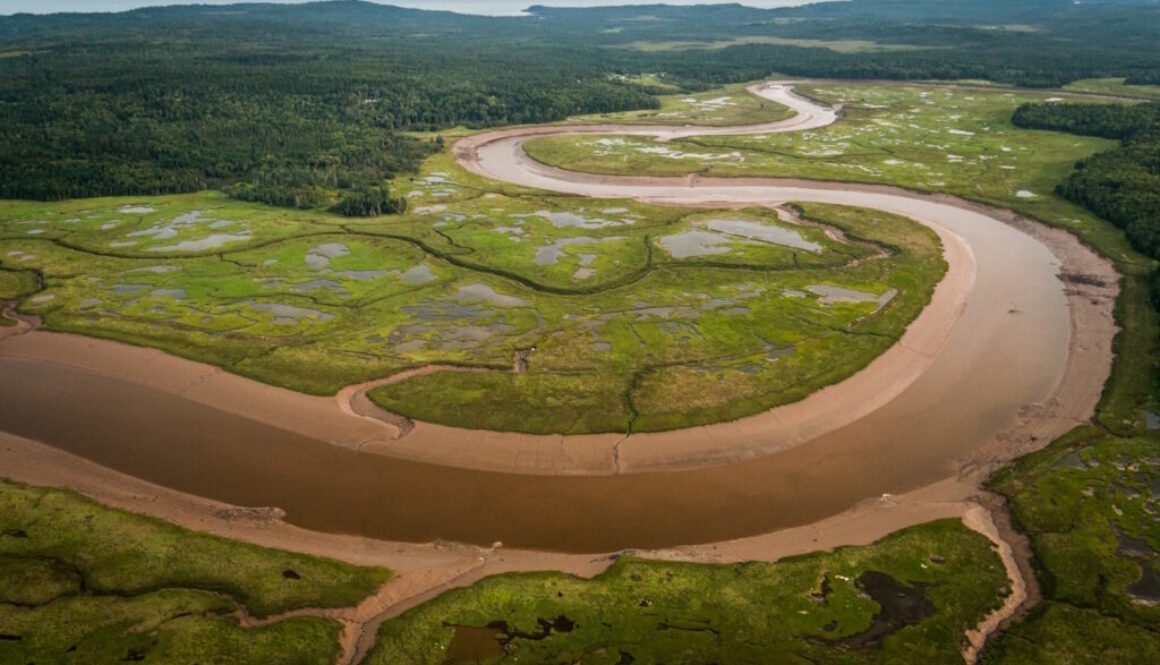
On March 17, 2026, the provincial government released details of its upcoming annual budget. One item that catches our eye is that “the operation of provincially owned heritage properties with fewer than 5,000 visitors will be transferred to community partners or closed, in collaboration with our stakeholders.” (https://www.gnb.ca/en/gov/budget.html) As a result, a number of small local museums will not be opened this year. Also included on this list is the North Lake Provincial Park.
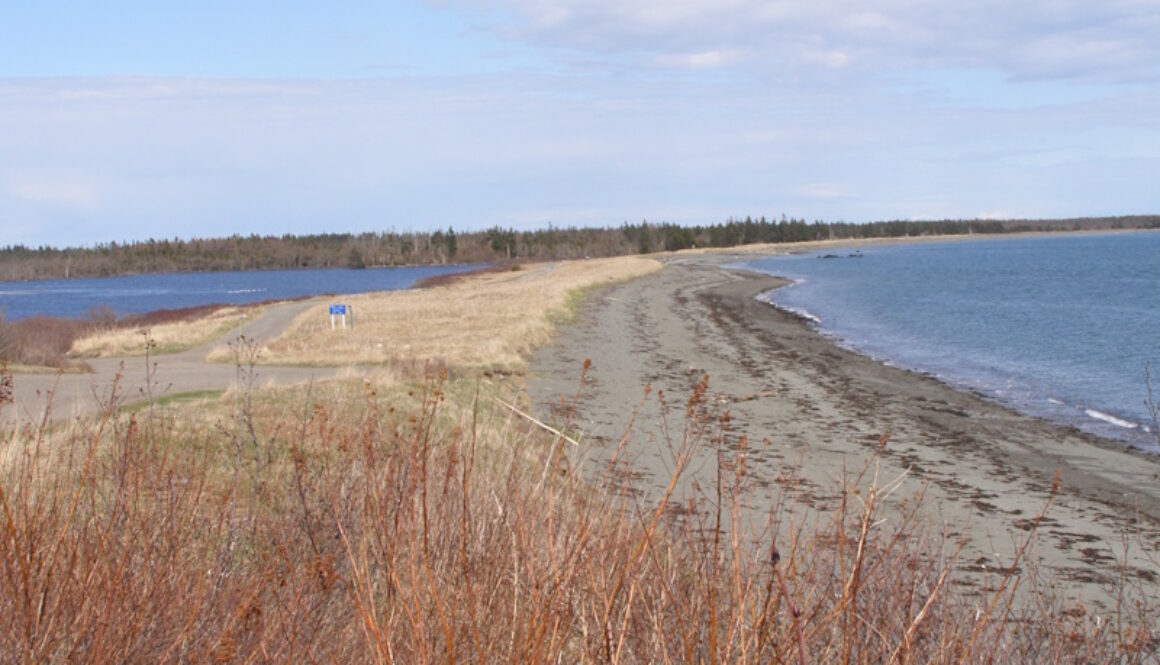
Anchorage Provincial Park
In a memo released to the media, the government confirmed the closure of the park and stated that four other provincial parks will remain open while the government moves to find private organizations or community partners to take them over. These parks are Val-Comeau in Tracadie, Anchorage on Grand Manan, Oak Bay near St. Stephen, and Cape Enrage.
This idea of having our parks run by private interests can be an issue for a couple of reasons. First, this has been tried in the past with parks in New Brunswick, and in most cases the government ultimately had to take back control of the sites. Simply having different people run these parks is no guarantee for success.
Second, this decision appears to be based on how much money these parks make, which should not be the sole factor in making these decisions. Our provincial parks help protect nature and provide all visitors a chance to experience stress-relief, outdoor recreation and connection to the nature of New Brunswick. They are destinations that help attract tourists to rural communities. The “visitor rates” only count those people who rent campsites. What is not counted are the local citizens and daytrippers who stop at the park for an hour or three to enjoy a little nature and may also visit the nearby community for food or supplies.
Anchorage Provincial Park
Finally, by making decisions that appear to prioritize monetizing our parks, we run the risk of more development in them to encourage people to stay overnight. This development could potentially jeopardize the natural areas within the parks, removing what makes these areas important destinations in the first place.
Those natural areas have added benefits to communities. They help absorb floodwaters or storm surges, they help keep the local areas cool during heat waves, and they help recharge the groundwaters that fill local wells. And several of these parks are part of significant wildlife habitats and corridors.
As this discussion moves forward, CPAWS NB will work with governments and decision-makers to try to ensure that the best choices are made for New Brunswick’s nature and communities.
The Canadian Parks and Wilderness Society – New Brunswick Chapter (CPAWS NB) has submitted recommendations to the provincial government urging it to treat nature protection as essential public infrastructure in the upcoming budget.
“Forests, wetlands, watersheds and coastal ecosystems protect communities from flooding, store carbon, support jobs, and reduce long-term public costs,” said Roberta Clowater, Executive Director of CPAWS NB. “Investing in nature is one of the most cost-effective ways the province can strengthen climate resilience and economic stability.”
The submission notes that protected areas across Canada contribute $10.9 billion to GDP and support 150,000 jobs, while in New Brunswick parks and protected areas contribute $207 million to the economy and support about 5,000 jobs.
CPAWS NB is recommending that the province:
Integrate nature-based solutions into major infrastructure planning.
Provide stable funding for conservation and land stewardship organizations, and dedicate funding to ensure thorough, early and meaningful consultation and engagement with Indigenous Leaders, Nations and communities for parks and protected areas.
Support departmental efforts to reach 15% protected land by 2027 and to develop a pathway to 30% by 2030 and invest in protection of natural assets in provincial parks.
“Nature protection isn’t just about conservation – it’s about protecting communities, strengthening the economy, and reducing long-term public liabilities,” said Clowater.
The Canadian Parks and Wilderness Society – New Brunswick Chapter (CPAWS NB) has submitted recommendations to the provincial government calling for a modernized Clean Water Act that reflects the realities of climate change, biodiversity loss, and growing pressures on the province’s watersheds.
“Protecting nature is protecting water,” said Roberta Clowater, Executive Director of CPAWS NB. “The wetlands, forests, rivers and peatlands that shape New Brunswick’s landscape are the foundation of clean drinking water, climate resilience, and healthy communities.”
In its submission, CPAWS NB urges the province to strengthen protections for wetlands and peatlands, implement watershed-based planning across the province, align the Clean Water Act with other conservation laws, and establish stronger safeguards for coastal ecosystems facing increasing climate risks.
The organization also recommends greater transparency and monitoring of water quality and watershed health, as well as stronger alignment between water protection and New Brunswick’s conservation and climate commitments.
“Modernizing the Clean Water Act is a critical opportunity to ensure that water protection, nature conservation, and climate resilience move forward together,” Clowater said. “Healthy watersheds are natural infrastructure that protect communities, support biodiversity, and secure drinking water for generations to come.”
The Canadian Parks and Wilderness Society – New Brunswick Chapter (CPAWS NB) has submitted comments to the Federal Impact Assessment Agency opposing the proposed Centre Village natural gas plant in Tantramar, due to its location in a critical wildlife corridor.
“The Chignecto Isthmus is one of the most important ecological corridors in Atlantic Canada,” said Melanie Jellett, Conservation Manager with CPAWS NB. “Placing a fossil-fuel power plant in the middle of this migratory route risks further fragmenting important wildlife habitat, harming wetlands, and threatening the species at risk that rely on this landscape.”
CPAWS-NB’s submission highlights risks to migratory birds along the Atlantic Flyway, nearby wetlands and waterways connected to the Tantramar River watershed, and species of conservation concern including the Common Nighthawk, Rusty Blackbird, and Olive-sided Flycatcher.
The organization is urging the Impact Assessment Agency of Canada to reject the proposal as currently planned and to apply a precautionary approach to development in this globally significant ecological corridor.
“At a time when Canada must reduce emissions and halt biodiversity loss, building new fossil-fuel infrastructure in such a sensitive ecological area moves us in the wrong direction,” Jellett said.
CPAWS New Brunswick is excited to welcome two new additions to our staff! We are excited to share Laura MacKinnon has taken on the role of Conservation Engagement Assistant as a full-time staff member. Sarah Sheppard will be our Summer Conservation Assistant before heading back to school in the fall.
Get to know Sarah and Laura more below!
Sarah- Hi everyone! My name is Sarah Sheppard, and I am from St. Stephen, New Brunswick. I am so excited to work with CPAWS NB this summer! I finished my Bachelor of Science in Biology-Chemistry at the University of New Brunswick this spring and I will be attending Dalhousie Medical School this fall. I have a strong passion for community outreach & education. My experience with science outreach led me to purse a position where I can help spread knowledge about nature and conservation in New Brunswick. Aside from work and school, I also enjoy gardening, biking, hiking, and enjoying time with my two cats.
Laura- My name is Laura MacKinnon, and I’m so excited to be joining the CPAWS NB team! I was born and raised in Fredericton, New Brunswick and have been so lucky to experience all the natural beauty the province has to offer throughout my life. I have a Bachelor of Science degree in Biology with a concentration in Wildlife, Ecology, and Conservation. I have a strong passion for wildlife with a special interest in Ethology (the study of animal behavior). I have recently become a bird enthusiast, so in my spare time I love to explore New Brunswick while adding new birds to my life list!
Laura MacKinnon
What first sparked your interest in the environment?
Sarah- Growing up in rural New Brunswick near the Southern coast, I was always surrounded by nature, and the Bay of Fundy was only a short drive away. My favourite memories growing up were learning all about the plants and animals of New Brunswick and how we can respect them while enjoying the land and water. I feel privileged to have been able to experience a dynamic perspective on both the forests and oceans of New Brunswick. Being able to experience nature during my youth created a lifelong interest in the environment and a need to conserve these areas for the future generations.
Laura- My interest in the environment started at a young age, sparked by sightings of wildlife during trips on the Fundy Rose Ferry across the Bay of Fundy. Over time, my interest in marine wildlife grew into an appreciation for all aspects of nature. It was during my undergraduate studies that I particularly became interested in conservation and environmental work. I wish I could say conservation and environmental stewardship have been lifelong passions of mine, but I’ve come to learn it’s never too late to be curious, get outside, and start making a meaningful impact.
What are your favourite ways to enjoy nature in New Brunswick?
Sarah- I am grateful to live in such a beautiful province, so I like to enjoy nature in as many ways as possible. I enjoy hiking all year round on the local trails in my area. Over the summer, I love to travel to the different parks around the Maritimes to hike new trails. When the weather is nice, I also enjoy biking with friends on the outskirts of our city. Biking allows me to get further out of the city on a daily basis, while also being able to slow down and experience nature.
Sarah Sheppard
Laura- One of the ways I love to enjoy nature is by going for walks at local parks and hiking various trails around the province. I particularly enjoy birdwatching, as it allows me to slow down and take in all aspects of nature! I really enjoy photography as well, so I love to bring my camera with me for these adventures in hopes of capturing some photos of wildlife. I really love camping and look forward to exploring more of New Brunswick every summer by planning camping trips.
What part of working for CPAWS NB are you most looking forward to?
Sarah- I am most excited to work on the Get Outside program. I am looking forward to inspiring folks interested in protecting nature, by sharing about New Brunswick’s natural areas and what they have to offer. I believe the program is important to teach residents and visitors of New Brunswick how to enjoy nature while also taking care of it. I hope that I can help people take action to protect nature by encouraging them to get outside!
Laura- I am most looking forward to learning from the amazing CPAWS NB staff who have been dedicated to conservation work for many years. I’m also looking forward to being a part of campaign work to protect the wilderness we all love and need. Another highlight for me is supporting the Get Outside! NB program in parks, where I hope to help foster meaningful connections to nature with people of all ages. I’m thrilled to be involved in the conservation efforts happening here in New Brunswick and hope to share my enthusiasm for our work with others.
Laura and Sarah are so excited to get to work on Get Outside! NB events and other projects. Keep an eye out for the CPAWS NB team at your local parks this summer. We cannot wait for you to Get Outside with us!
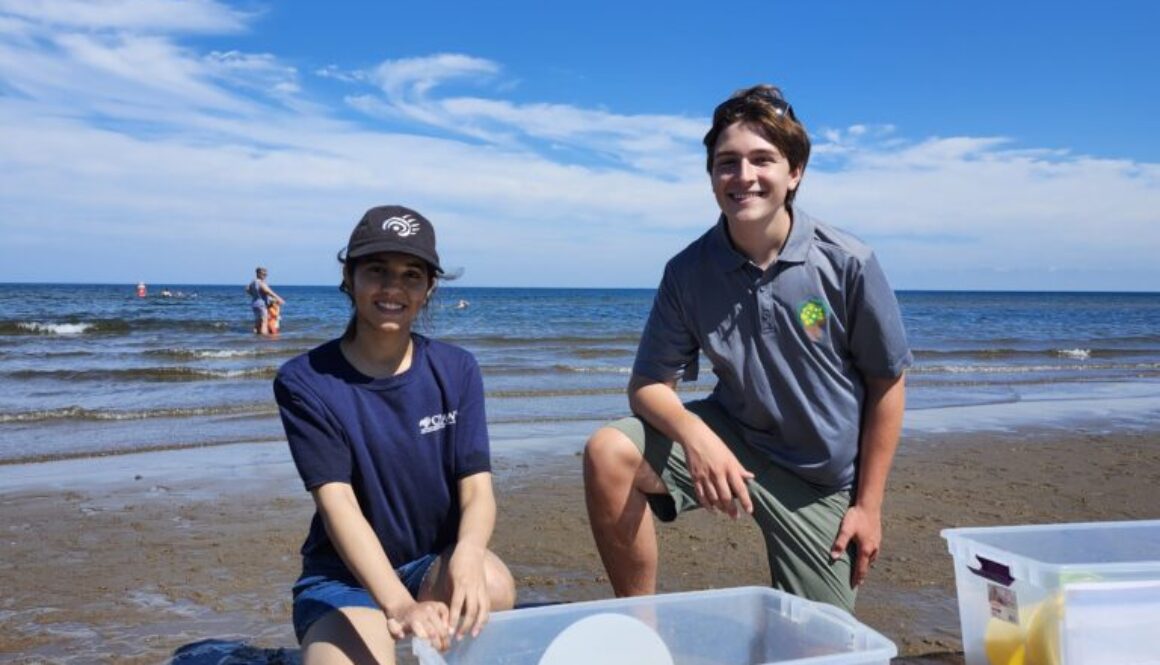
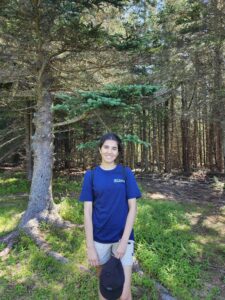
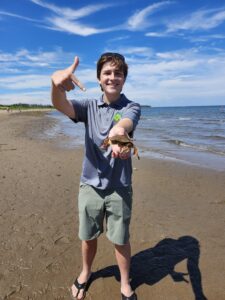
Summer is in full swing, and we are excited to welcome two new summer students to the CPAWS NB team! These students will be working to bring our Get Outside! NB events to a park near you! Introducing Lakshita and Jesse!
What first sparked your interest in the environment?
Jesse: It’s hard to pinpoint where my interest first began in the environment, but growing up around the nature in Canada, it is hard not to get enticed by what it has to offer. I have fond memories from nature hikes with my family, filled with moments where I learned about the need for conservation in our province. I hope to share my interest in conservation by teaching others about our need for nature and how to respect the wildlife around us.
Lakshita: My passion for the environment grew from my love for animals and wildlife. When I was younger, I volunteered most summers in Sariska, Rajasthan, and bugged my parents to travel only to places that offered wildlife safaris. Watching National Geographic documentaries about animals was one of my favorite pastimes.
Ever since then, I have always wanted to work closely with wildlife. As I became more aware of environmental issues and their effects on habitats, I developed a strong desire to contribute meaningfully to conservation: advocating for policy changes, creating awareness, and promoting habitat protection and restoration to create a better world for animals. This drive led me to study environmental management at university and eventually brought me to work with CPAWS.
What are your favorite ways to enjoy the nature NB has to offer?
Jesse: The number of places to see and things to do to enjoy the nature in New Brunswick is truly endless, but some activities for me personally are very special. Waking up at the crack of dawn and wading out into the water on the gorgeous Miramichi river to fish for coveted Atlantic Salmon is so serene I wouldn’t want to be anywhere else in the world! Another way I like to enjoy the nature around me is with my trusty kayak. Paddling on still lakes or swift rivers helps me see how beautiful our province is.
Lakshita: Outdoor activities in New Brunswick have been a refreshing change from what I experienced in India. There are so many things that I got to try for the first time, such as skiing in the snowy winters and canoeing during the summers. Hiking along the beautiful trails has become one of my favorite activities these days. The camping experiences I’ve already had through this job have also been very memorable. Every moment spent in nature here makes me feel so happy and calm, and I look forward to more of these moments while I am here.
What part of working for CPAWS NB are you most looking forward to?
Jesse: One of the many things I am excited for during my time at CPAWS NB is to be able to help build people’s connections to nature through various Get Outside! NB activities across the province. Through these activities, like our Seashore Explore events at different parks, I hope to show people how to be stewards of the natural areas around them and demonstrate why conservation is so important to all of us on the CPAWS NB team.
Lakshita: I am looking forward to participating in the CPAWS Get Outside program. I’ve noticed that in the environmental field, it’s fairly common to feel discouraged when facing all the challenges, but the Get Outside program takes a refreshingly positive approach. It builds a strong community of stewardship, by emphasizing the importance of nature and fostering a deep connection to it. Being surrounded by like-minded people and rekindling my own love for nature while helping others, is very fulfilling for me.
What makes the conservation of NB nature important to you?
Jesse: Growing up influenced by our vast natural spaces, makes me want to protect and fight to conserve nature for future generations. The need for conservation is vital to continue doing the things we love, and it is so very important to educate the public on what they can do to help conserve our natural spaces.
Lakshita: Growing up in a busy city in India to experiencing the beautiful nature New Brunswick has to offer, I feel the difference it has made in my life. I want everyone to be able to experience the peace and serenity from being around nature, and not be disconnected from it while living in urban surroundings. I would never want to return to living in a concrete jungle, nor do I want places to become like that in the future. I want there to be places where people can coexist with nature, and that is what makes conservation important to me.
Jesse and Lakshita, along with the rest of our CPAWS NB Team, hope to see you out in nature this summer at one of our many events. Be sure to check out our Get Outside! NB summer programming for details on all of our activities.
New River Beach Provincial Park by Kristen Hopkins
You may or may not already know, but some incredible natural spaces are silently working to help us fight the climate crisis simply by performing their natural function. Like nature’s secret weapon against the changing climate, these places, such as forests and the soil beneath, wetlands, the ocean and the magical places where ocean meets land, are all climate superheroes. From buffering against storms and protecting from floods to creating habitats and exceling at carbon storage, these spaces make up nature’s toolkit for safeguarding the planet! And the best part? It’s all done naturally and for free – by simply allowing natural spaces be.
Each of these climate superheroes is unique and works collaboratively to mitigate the effects of the climate change. These also happen to be beautiful places that offer people opportunities for relaxation, and recreational, emotional, and spiritual experiences which can catalyze human connections to nature. These places also provide wildlife with a habitat to live in.
The Ocean
The ocean takes first prize for the largest carbon sink in the world. It’s a silent superstar in the fight against climate change in two ways. First, the ocean dissolves and absorbs carbon by simply reacting with water. Second, aquatic plants and vegetation act as carbon sponges, absorbing carbon through photosynthesis. These processes come together to create a climate-regulating masterpiece that can help mitigate the impacts of climate change.
However, carbon loves the company of heat. When the ocean absorbs carbon, it latches on to the carbon molecules and does not like to let go. Hence, the more carbon the ocean absorbs, the warmer it will become. The ocean can help protect us from the changing climate, but only if we speak up for marine protection in return.
Seagrass Meadows
Photo by Nick Hawkins
Seagrass meadows are an important coastal ecosystem for humans and the rest of nature! Often mistaken for seaweed, seagrasses grow from root systems that reach beneath the ocean floor. Seagrasses have stems, roots and leaves and even produce flowers and seeds – just like trees do! This climate superhero is hidden just below the surface of the water and is among the most productive habitats in the world.
Seagrass meadows provide habitat for fish, crabs, sea birds and other sea life, which is important for biodiversity, the food chain and commercial fisheries. These meadows store large amounts of carbon in their root systems and surrounding sediment. They also help buffer storms and slow erosion of the coastline. These are some of the reasons that it’s important to protect this ecosystem, as many seagrass meadows are disappearing due to pollution and increasing development.
Kelp Forests
Photo by Nick Hawkins
New Brunswick is blessed with an abundance of forested areas, but did you know that forests grow in the ocean as well? In clear and cool, nutrient-rich water along shore, kelp forests grow. Unlike the trees on land, kelp is not a plant or a tree for that matter… it’s algae! This means that kelp lacks the same physical properties as plants, such as a root system, which is what allows trees to carry nutrients from one part of the plant to the other. Since kelp doesn’t have an established root system, it gets all its nutrients directly from the water. Kelp forests only form in areas where high amounts of sunlight can shine through the water. Through photosynthesis, kelp harvests energy from the sun and relies on sunlight to generate food and energy to survive. In optimal conditions, these plants can grow up to 2 feet in a single day!
As these plants grow to form forests underwater, they provide a special marine habitat, home to sea otters, thousands of invertebrates, and sea urchins. They are important breeding grounds for fish and a place to hunt for seals, sharks and other marine mammals.
Murray Beach Provincial Park by Kristen Hopkins
The next time you find yourself wandering in the forest, soaking up the beauty of a wetland, or pondering on the beach while admiring the ocean, remember that nature is actively working, always behind the scenes, to protect the planet, a shared habitat in the face of change. Beneath the ocean’s waves and in the veins of the leaves growing on trees, nature is emitting forces of energy to fight the battle against the changing climate. Sometimes the most effective solutions are the ones that have been there all along, just waiting for their turn in the spotlight.
Although summer has ended, there is no better time than the present to go hiking. New Brunswick boasts some of the most spectacular Fall views and many of the trails are perfect for those who are new to hiking. We have selected 5 beginner friendly trails, as well as some tips for getting outside.
Williams Falls
Before jumping in, one of the most important parts of hiking is to be prepared. Planning your time in nature is what keeps you safe in the wilderness. Safety concerns can arise when folks are ill prepared for a hike. That is why we highly recommend you check out our previous blog on how to “Watch Your Paws” while in nature. This article dives into preparation for time spent in nature, as well as keeping yourself, others, and wildlife around you safe.
Aside from “watching your paws”, here is a list of some items we highly recommend you bring along with you for your time in nature:
Water – at least ½ a liter for every hour you will be outside
Sunglasses
Sunscreen and a hat for sun protection
Sturdy shoes
First aid kit
Beaver Pond trail
Sunscreen
Bug spray
Emergency rain gear
If you plan on going to a beach, think about adding the following to that list:
Bathing suit
Towel
Water shoes or sandals
Keeping all of that in mind, here are 5 of our favourite beginner friendly hikes in New Brunswick.
1. Williams Falls – Mount Carleton Provincial Park
Kouchibouguac Bog Trail
Williams Falls is located in Mount Carleton Provincial Park. The park is home to the highest peak in the Maritimes and attracts many hikers. Mount Carleton is part of the Canadian Appalachian Mountains and is habitat for many New Brunswick animals. Williams Falls is a short 0.5km hike that leads to a beautiful view of the falls over a bridge and an additional platform for added views. This trail is noted to be accessible for some and takes around 20 minutes to complete out and back. Dogs are welcome as long as they are on a leash and the park entry fee for one vehicle is $13.04. This trail is a perfect opportunity to check out the natural beauty in Mount Carleton Provincial Park without embarking on a hike up the mountain!
2. Beaver Pond trail – Mactaquac Provincial Park
The Mactaquac Beaver Pond trail is a 1km loop around a beautiful beaver pond, and home to amphibians like bull frogs and green frogs, as well as breathtaking views of beaver lodges. Enjoy looking out onto Fall colours while walking the boardwalk along this trail. The walk takes roughly a half hour, and no park entry fees are required. Stop for a picnic at the shelter and be sure to take some time to listen to the ample bird calls around the pond. Dogs are welcome on a leash and this trail is noted to be accessible for some.
3. Bog trail – Kouchibouguac
Dickson Falls, by Kristen Hopkins
Kouchibouguac National Park is known for magnificent sand dunes off the shore of vibrant ocean waters, but the hike that we suggest highlights another neat feature: a peat bog. Peat bogs are often home to carnivorous plants like pitcher plants, as well as sphagnum moss. They also prevent flooding and store carbon dioxide, making them climate superheroes. The peat bog trail is roughly 2km out and back and takes between 45 minutes – 1 hour. Please note that dogs are welcome on a leash and there is a section of the trail that contains stairs leading to a lookout point. The daily park entrance fee for a family/group is $8.50 in the Fall season.
4. Dickson Falls – Fundy National Park
Dickson Falls is the most popular hiking trail at Fundy National Park. The trail is a 1.5km loop estimated to take 30 minutes. Fundy National Park is home to beautiful cliffside views of coastal forests and the renowned Bay of Fundy. The rich forests in the park are essential habitats for creatures like chipmunks, deer, and black bears. This particular hike follows the Dickson Brook and leads to a breathtaking lookout of the 9-meter-high falls over a stunning mossy background. Dogs are welcome on a leash, and please note this hike contains stairs. The fee for daily admission to Fundy National Park is $16.75 for a group.
5. Chitticks Beach Trail – New River Beach
Chitticks Beach, by Kristen Hopkins
The Chitticks Beach trail is a 2km loop and is part of the longer Barnaby Head trail where lookout points of the extraordinary Bay of Fundy are plentiful. Remarkable cliffside lookout points offer views of the bay, coastal forests and sea creatures like harbour seals and porpoises. This trail also features a stunning bog with a boardwalk. Chitticks Beach trail is a short drive from the main beach at New River Beach Provincial Park, the entrance fee for one vehicle is $13.04, and dogs are welcome on a leash.
Looking for a challenge? Perhaps you are feeling confident in your hiking and are looking for a longer trip. Consider hiking past Chitticks Beach to complete the entire Barnaby Head trail as a day trip! This 5km hike can take upwards of 2 hours and is perfect for ambitious novice hikers.
Fall is a perfect season to get outside and explore the beautiful scenery in New Brunswick. We hope that these suggestions inspire you to organize a hike this Fall season. Remember to select hikes that are at an appropriate level of challenge for you and to bring everything you will need along with you. We also recommend hiking with a buddy or group, and to stay tuned to our events page in the future for more nature walks led by CPAWS NB staff. Happy hiking!
Summer weather is here in New Brunswick, which brings many opportunities to get out and explore nature! There are so many different ways that we can connect to nature, but one of our favorite ways at CPAWS NB is to go on a ‘Five Senses nature walk’ and use all our senses to explore natural areas around us.
You might think you know all there is to know about in your favorite park, but when you take the time to slow down, you will be amazed at how many incredible details are hiding, that require just a little closer look. Whether you live along the coast, near a bog or wetland, or in the middle of the Wabanaki/Acadian forest, next time you’re out for a walk try these tips!
See
Sight is one of the most used senses, but we rarely take the time to take a closer look at the natural world around us. Next time you are out in nature, focus on the beautiful and intricate details of the plants, insects, and water around you.
While many trees might look similar at first glance, each tree species has its own unique characteristics to tell it apart from the others. You don’t need to be an expert to notice what makes the many trees in New Brunswick unique!
Can you see the different shades of green on the trees? On many coniferous trees (trees with needles) the new growth each spring is a lighter or more vibrant shade of green, which will darken over the summer and rest of the year before it begins the new growth process over again.
Taking a closer look at the bark will also reveal unique patterns that can tell you more about the tree’s health, growth and if there are any insects or animals living on or in the tree.
Looking at the plants around you, are you able to see the growth pattern of the flowers or leaves? Some plants will have leaves on each side, while others will grow in a spiral around the stem.
Consider bringing an identification book or use the iNaturalist app to ID the plants you have observed.
Touch
Our sense of touch is used less often when we are outside. However, there are many ways that you can use touch to explore and learn more about the nature around you!
If it is safe to do so, explore how the water feels on your hands or feet. What is the water temperature – is it the same temperature at the shore and when you are in deeper water?
Touch is also a great way to explore the trees around you:
How do the leaves on deciduous trees feel?
How do the needles on coniferous trees feel? Some needles can be soft while others are more pointy. Is there a difference feeling between older growth and the new growth on the tree?
Can you feel the differences between the bark on the trees?
Do any trees have sap or a sticky residue on their needles or bark?
When touching any plants or trees, be careful not to hurt the plant, remove and leaves or break of any branches or other parts of the plant. And it is important that you DO NOT touch any animals and give them lots of space!
Photo by Eric Prouzet
Smell
Our sense of smell can often be strong when we are out in nature, but with so many fragrant flowers, the smell of salt water near the ocean, or fresh buds of new growth on trees and plants, it can sometimes be hard to identify what we are smelling. Animals use their sense of smell to find food, to know if there is a predator or danger in the area, and to communicate with each other. And we can too!
Next time you are out in nature, take the time to get up close to smell different trees and plants.
Can you smell the difference between different species of trees. Do deciduous and coniferous trees smell the same or different? Does the scent remind you of a favorite food, or holiday, or place you love to visit?
Animals can also leave behind a scent that can tell us they are near!
Finally, can you use your sense of smell to know how close you are to the ocean? Scent can bring back a lot of memories, and can remind us of past experiences outside, or help us to build new memories made in nature.
Taste
Exploring nature through your sense of taste can be a little trickier than the other senses. While there are many edible plants, others can make you sick, or are toxic for humans to eat.
Many different types of tree needles can be made into a tea and berries make a tasty snack along the trail.
Before you taste anything while you are out in nature, it is very important that you are 100% sure you know what it is, and if the plant is edible! If you want to explore your sense of taste, pick up an edible plants or foraging guide from your local library or bookstore.
Photo by Kristen Hopkins
Hear
Finally, next time you are out in nature take the time to focus on the sounds around you! Our days are often filled with human-made sounds, like cars, construction, or music, and it can sometimes be hard to hear the sounds of nature around us. Pick a spot to be still and just listen to what is around you.
You might hear different animal calls. Depending on the type of habitat you are in, you might hear insects, birds, frogs, or larger animals like moose or coyotes. Each species has its own distinct call to be able to communicate with others, find a mate, and warn about danger in the area.
Can you identify what type of birds or frogs you might be listening too, based on their calls? Helpful apps like the Merlin app that can help you identify what birds are around!
What other sounds can you hear that you might not pick up at first?
What does the wind sound like amongst the trees?
Can you hear any water flowing or crashing into the shore?
Are there any animals moving around you? Can you hear how they move through the forest?
There are so many sounds we naturally tune out, and you might even experience the sounds of nature becoming louder the longer you listen.
Conclusion
This summer, take some time to explore the natural areas around you in a new way! If you go on a Five Senses walk, share your discoveries by tagging @CPAWS NB.
Follow CPAWS NB on social media for more ideas on how you can explore the nature around you, learn more about NB wildlife, and learn about ways that you can take action to help natural areas in New Brunswick.
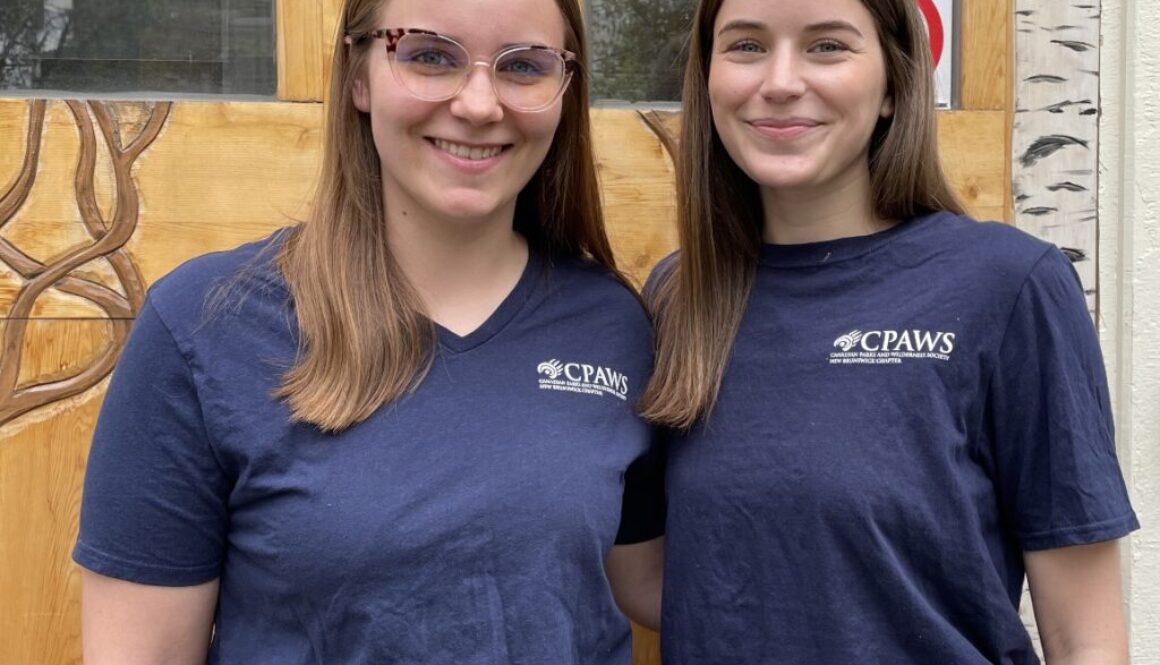
As the seasons transition from spring to summer, people across New Brunswick flock to parks to experience beautiful beaches, lakes and rivers, and tranquil forests. Here at CPAWS NB, we are preparing for a summer full of Get Outside! events and we have welcomed two eager and passionate students to our team, to help bring these activities to a park near you!
Without further ado, let us introduce Maddie and Kristen! With these two around, you will be able to feel their enthusiasm and love for nature. They are excited to share how they feel connected to nature, and why they feel so passionate about the environment.
About Maddie:
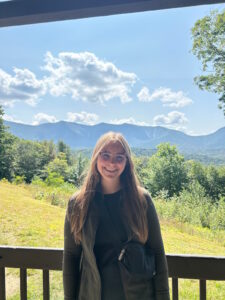
My name is Madeline Yerxa, and I am thrilled to be working with CPAWS NB this summer. I am from Fredericton, New Brunswick and entering my third year of Environment and Natural Resources with a major in wildlife conservation at the University of New Brunswick (UNB). My favourite things to learn about are wildlife ecology and environmental sociology. I am passionate about outdoor education and have spent the past five summers instructing youth in camping skills and earth education. I love to spend time in nature, whether that is on a canoe trip, going for a hike or sitting outside for a while – nothing compares to how I feel when I am outside. I am grateful that I can spend this summer working outdoors with the GetOutside! NB program. I believe that the outdoors is for everyone, and I am looking forward to creating a safe space for all to connect with nature this summer.
About Kristen:
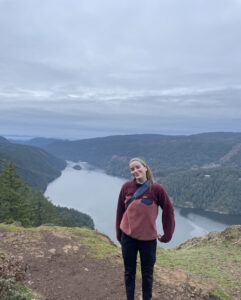
My name is Kristen Hopkins. I am originally from the small town of Lunenburg, Nova Scotia. Having grown up with the outdoors as the backdrop for my childhood and am a lover of hiking, camping, nature photography and strolls along beautiful beaches with my dog(s). I am a passionate student working towards my BSc. Environmental Management (EM) with a major in People, Policy and Planning, as well as my BSc. Forestry at UNB. I am particularly interested in the social aspects of environmental issues and solutions. For my capstone project of my EM undergraduate degree, I worked with the Native Women’s Association of Canada to design an agroforest for the Wabanaki Resiliency Lodge in the Village of Gagetown, New Brunswick. I am a firm believer that we all have a connection to nature, but sometimes that connection is more of a challenge to experience when individuals lack access to, or awareness of local nature. I am so excited to be working with the CPAWS NB team to learn how to facilitate connections to nature for others.
What experiences have led to your passion for this field of work?
Maddie – I feel fortunate to have grown up surrounded by the beautiful wilderness of New Brunswick. I also feel fortunate to have learned through my studies how unique the Wabanaki forest is. My passion for protecting New Brunswick’s natural spaces has grown from learning and spending time in nature. Through working as an earth educator in the past, I have also developed a passion for outdoor education. Watching individuals flourish in these programs has made me aware of how crucial nature education is in conservation work – after all, our lived experiences in nature are what drives our passion to protect it!
Kristen – My passion for nature was initially sparked by the connections I felt with animals – my pets first, and then wildlife. This passion grew as I spent more time experiencing nature and wildlife. When I was 16 years old, I was lucky enough to go on a trip to Alberta and see the Rocky Mountains for the first time. On this trip, I also met someone who told me they had never gotten to see or touch the ocean for themselves. Growing up by the ocean, I had never realized how much I took it for granted. To this day, I feel that this was a pivotal point in the development of my passion for conservation, and when I returned home, I began to see the world very differently. I also became very attached to a specific conservation campaign – Jumbo Wild, which advanced my passion for nature and helped me decide that I wanted to learn more about conservation in university. It has also solidified my understanding of the importance of collaborating with Indigenous nations and has opened my eyes to the need for reconciliation in Canada and the opportunity offered to work towards this as part of the work I will do in conservation.
All of this has led me to who and where I am now. I believe that each time in nature is a different experience and a new reconnection, which is why it is so important to help people learn to care about protecting nature. I am incredibly thankful to have had these experiences. I cannot express enough how important it is for all of us to learn how we connect to nature in our own ways, for our own health and for the health of the natural world.
What is your favourite part about working for CPAWS NB? / What are you most looking forward to as a CPAWS NB summer student?
Maddie – I am thrilled to be representing such an incredible organization that gives New Brunswickers the tools to take action and protect the wilderness they love and need. As a young person, I often feel overwhelmed when it comes to speaking up for nature. In the past, I have felt that my voice was insignificant in the grand scheme of things, and that it was pointless to stand up for what I believed in. In my short time working with CPAWS NB, I already feel like that idea has been proven wrong, and now, more than ever, I feel empowered to act and protect the spaces I care about. I also think that it is very special to be in a position that can inspire people to connect with nature. I am a firm believer that nature can be enjoyed by anyone. I am looking forward to a summer filled with GetOutside! NB activities and encouraging participants of all ages and backgrounds to connect with nature!
Kristen – CPAWS NB is a wonderful organization for many reasons and is an ENGO that I have admired since I entered the conservation world as a student. I like to think of my position with CPAWS as having the responsibility to spread love and passion for nature, and to provide the necessary education and awareness to hold this passion safely and responsibly. Everyone deserves to feel connected to nature, and nature deserves to have a voice. Through the Get Outside! NB program, CPAWS NB helps people understand that they can be part of this voice, and that wildlife and nature in New Brunswick needs them to speak up. There are so many opportunities planned in the Get Outside! NB schedule where Maddie and I will get to share this important message and learn more about conservation in New Brunswick from the rest of the team. I am so excited to be a part of this work and to have this experience!
What is your favourite way to enjoy nature in New Brunswick?
Maddie – I enjoy nature in New Brunswick in many ways! I absolutely love camping – overnight hiking and canoe trips are always my favourite camping trips! On beautiful sunny days, my friends and I also like to hunt for waterfalls. I love to practice identifying plants and sharing that knowledge with friends and family. I find this helps me connect with nature and is a way for me to share my appreciation of this province with people I care about. Above all, I love relaxing, breathing, and exploring all of my senses in nature.
As someone who has lived here her whole life, it is sometimes easy to take this province for granted. That is why I love to discover new places in New Brunswick, whether that is sightseeing, camping, or hiking. This province never ceases to amaze me, and I am always finding something new to love about New Brunswick.
Kristen – I love going on hikes with an awesome view at the end or meditative strolls along quiet trails in nature, always with my border collie, Rory! Every province in Canada has its own unique nature which I think is beautiful. I also think it is very important to experience this nature for myself, so I can maintain and develop new connections, which will in turn fuel my love and desire to protect nature. My dog and I are both lovers of the beach and other coastal adventures. I am looking forward to experiencing some of New Brunswick’s provincial and national parks for the first time as well this summer!
Watch for our CPAWS NB team at provincial parks across the province this summer! If you haven’t already, check out the Get Outside! NB summer programming schedule. We can’t wait to see you out in nature this summer!