

Budget Cuts Cause Concern for Provincial Parks
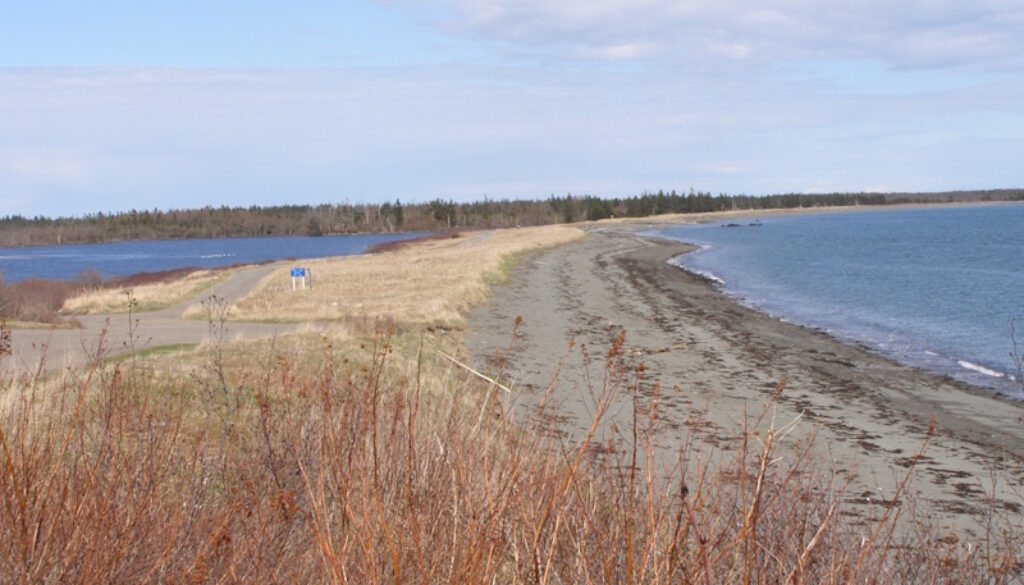
On March 17, 2026, the provincial government released details of its upcoming annual budget. One item that concerns us is that “the operation of provincially owned heritage properties with fewer than 5,000 visitors will be transferred to community partners or closed, in collaboration with our stakeholders.” (https://www.gnb.ca/en/gov/budget.html) As a result, several small local museums will not be opened this year. Also included on this list is the North Lake Provincial Park
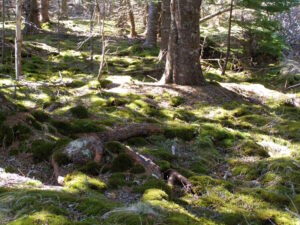
In a memo released to the media, the government confirmed the closure of the park and stated that four other provincial parks will remain open while the government moves to find private organizations or community partners to take them over. These parks include Val-Comeau in Tracadie, Anchorage on Grand Manan, Oak Bay near St. Stephen. Cape Enrage on the Bay of Fundy was also on this list, but due to funding cuts, it announced it will not open this summer.
There is some confusion at this moment as to whether the government intends to find new people to run these sites or to sell them outright. Either option poses issues which need to be considered carefully so that no damage is done to the province’s tourism and natural environment.
This idea of having our parks run by private interests can be an issue for a couple of reasons. First, this has been tried in the past with parks in New Brunswick, and in some cases the government ultimately had to take back control of the sites. Meanwhile, some of these sites, such as Anchorage Provincial Park, are currently being run by community partners, and it is not yet clear what this change will mean to them.
Second, this decision appears to be based on how much money these parks make, which should not be the sole factor in making these decisions.
Our provincial parks help protect nature and provide all visitors a chance to experience stress-relief, outdoor recreation and connection to the nature of New Brunswick. They are destinations that help attract tourists to rural communities. The “visitor rates” only count those people who rent campsites. What is not counted are the local citizens and daytrippers who stop at the park for an hour or three to enjoy a little nature and may also visit the nearby community for food or supplies.
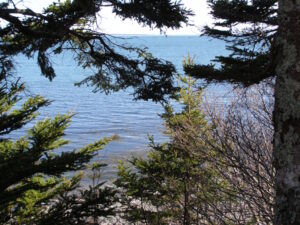
Finally, by making decisions that appear to prioritize monetizing our parks, we run the risk of more development in them to encourage people to stay overnight. This development could potentially jeopardize the natural areas within the parks, removing what makes these areas important destinations in the first place.
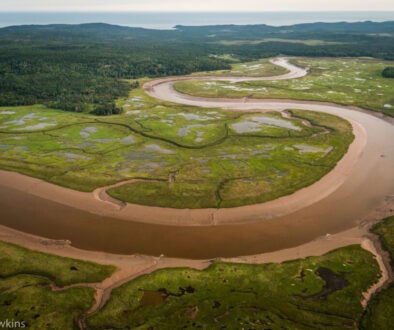
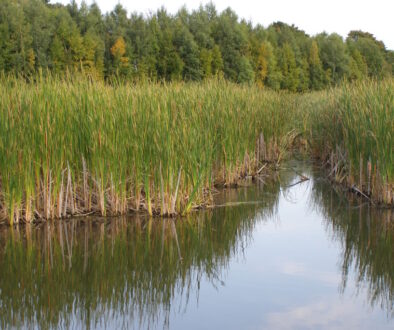
Those natural areas have added benefits to communities. They help absorb floodwaters or storm surges, they help keep the local areas cool during heat waves, and they help recharge the groundwaters that fill local wells. And several of these parks are part of significant wildlife habitats and corridors.
Government needs to consider the contributions these parks make to nature conservation, especially in light of the work government is doing to establish new protected areas to meet its 15% protected areas target. The parks are unceded Crown land and should not be sold or divested, as some media reports seem to imply.
We are digging into this issue to seek clarity. As this discussion moves forward, CPAWS NB will work with governments and decision-makers to try to ensure that the best choices are made for New Brunswick’s nature and communities.