


Walking with nature on the Wabanaki Tree Spirit Tour
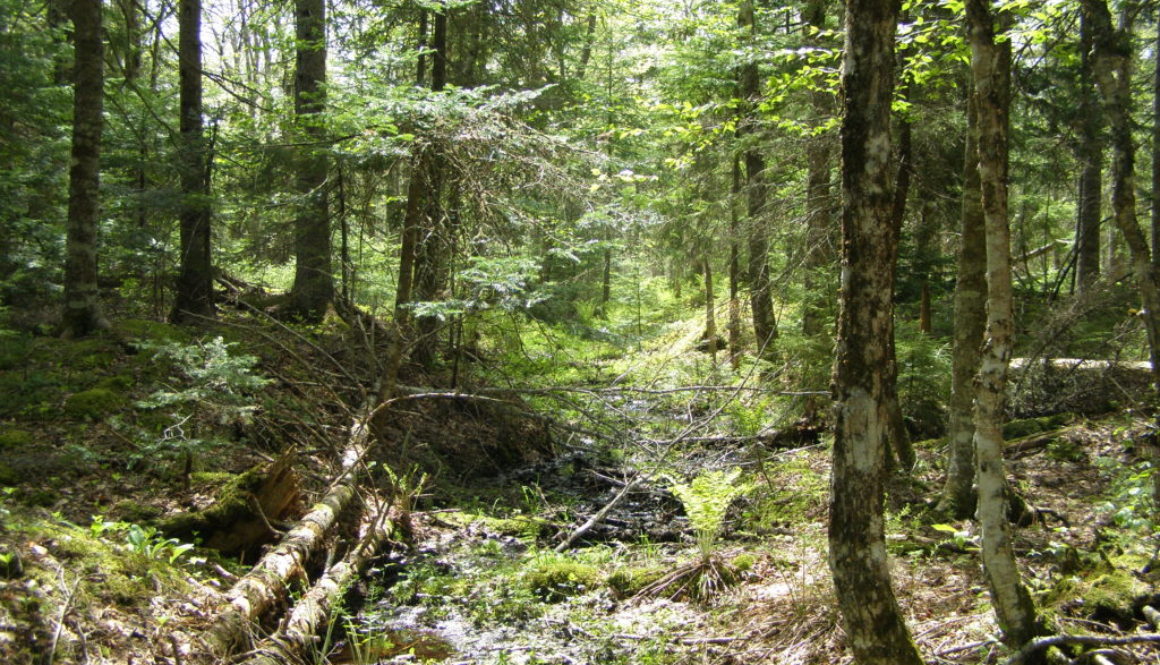
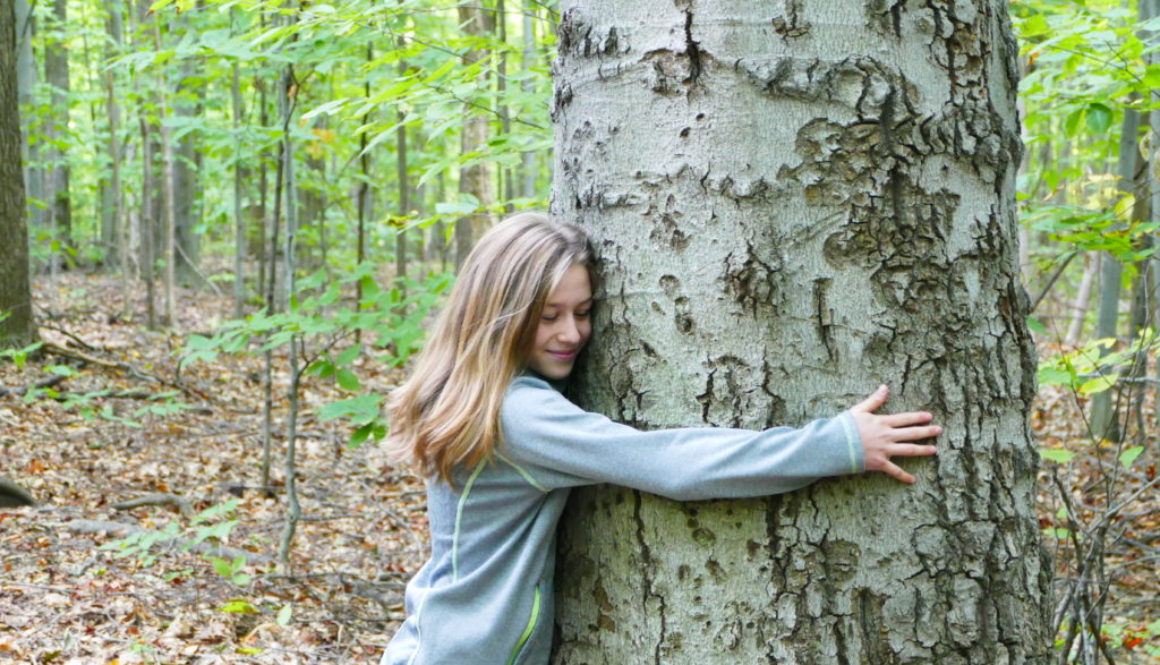
While walking through your local forest, have you ever paused to take a closer look at all of the living things around you? Have you ever wondered what plant medicines grow here, at home in New Brunswick? Have you pondered the healing properties that our native plants can offer? This August, I was swept away by the magic of nature while on a Wabanaki Tree Spirit Tour and Medicine Walk in Fredericton. Hosted by Cecilia Brooks and her son Anthony, together we explored the many sacred, native plants that grow in our region.
 We began our tour with an offering of Tobacco. Cecilia explained that in their culture, tobacco is used as an offering and a way to give thanks. We placed the tobacco in our left hands, bringing the leaves closest to our hearts. After our offering, we began our medicine walk along the winding paths of Odell Park.
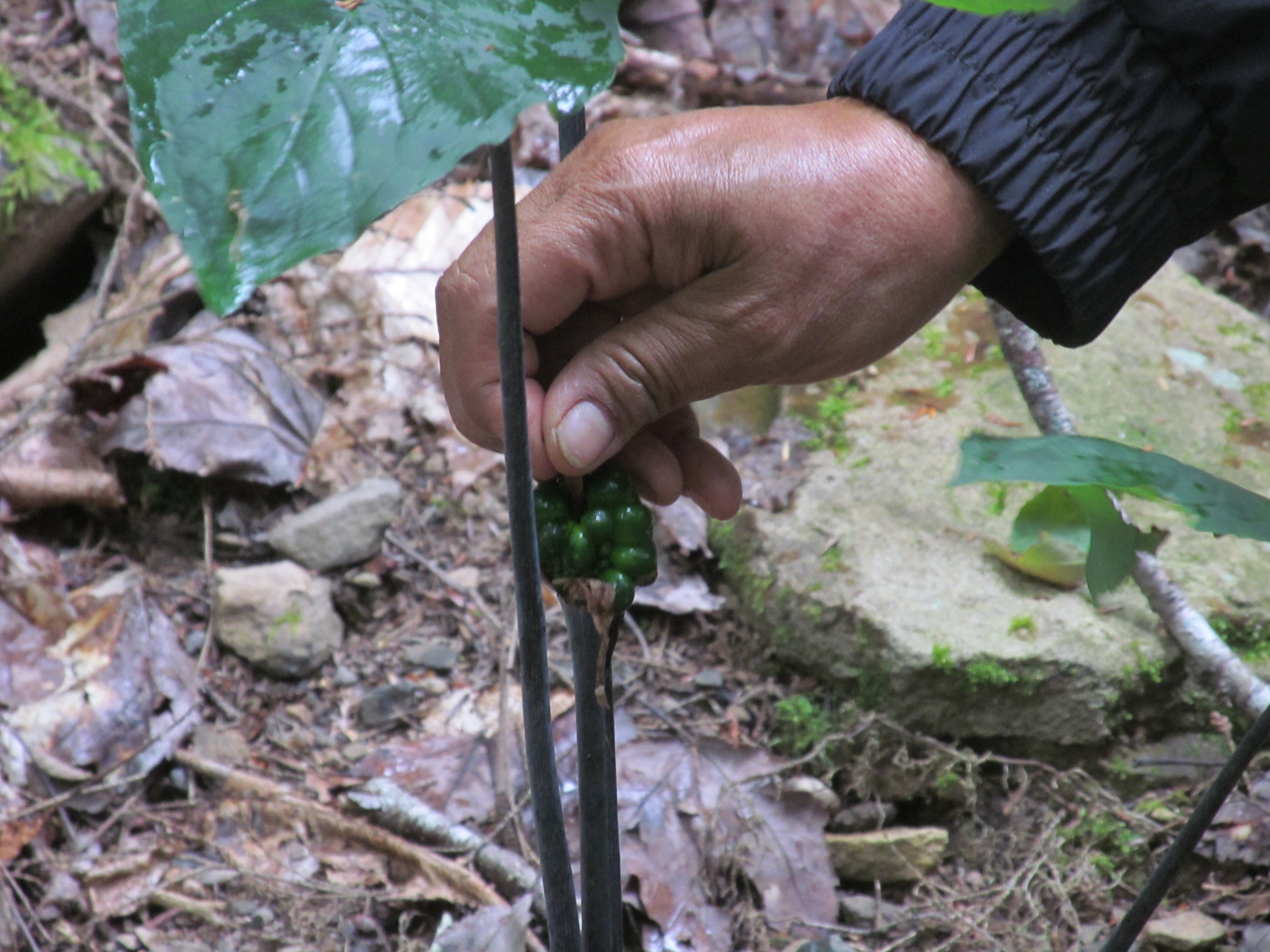
I grew up in Fredericton, and visit Odell Park regularly. This is a place I thought I knew, but after our walk, I now see this place with fresh eyes. Our local plants embody so much wisdom and history that most of us are unaware, yet these plants have been used for thousands of years by Indigenous Peoples. Like Jack-in-the-Pulpit, a local plant with the green berries that has a number of edible and medicinal uses. It’s corms, the bulb-like part that grows underground, have been used to treat coughs and tuberculosis! Other parts of the plant have traditionally been used as remedies for stomach gas, asthma, and rheumatism. This little plant, sometimes easily overlooked, is growing merely a few steps off of the main walking trail! [Always be cautious with medicinal plants – please don’t try to use these as remedies if you don’t know exactly how to prepare them, or which parts are safe!]
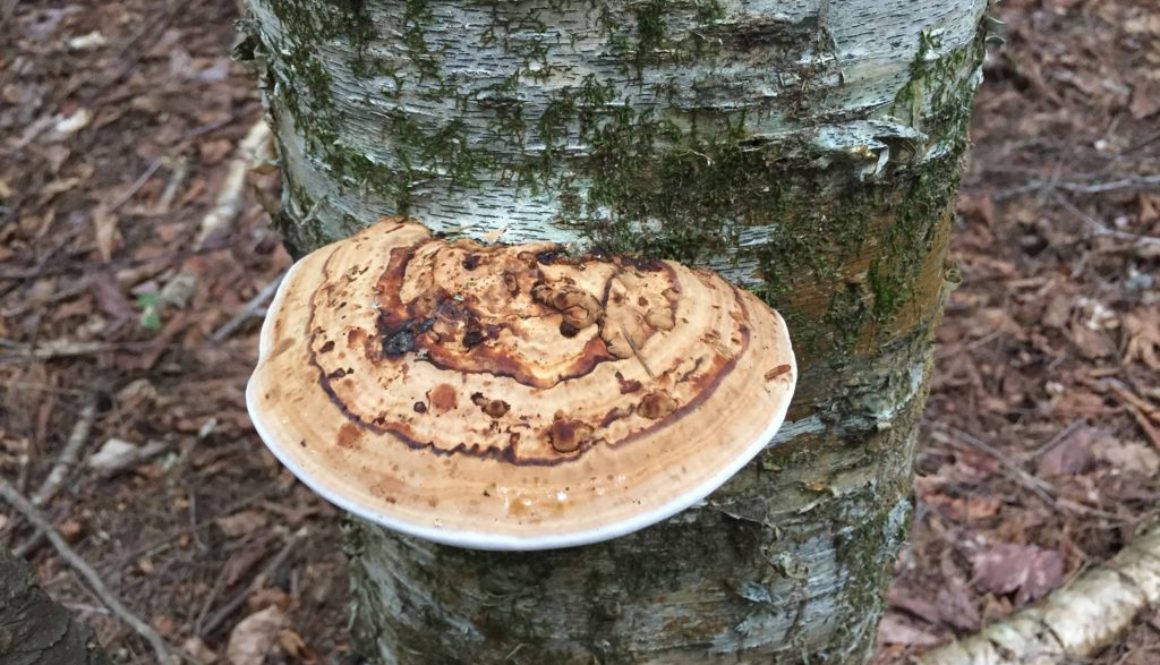
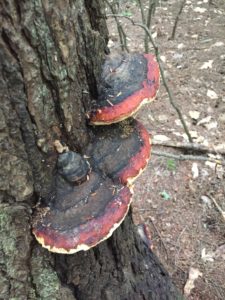 We also saw lots of fungi on our walk and, although some are toxic to humans, others like the Dye-Makers Polypore, can be used as a vibrant textile dye! Anthony, who studies mushrooms and is very knowledgeable about fungi, says that he often finds himself asking what purpose the mushrooms are serving, rather than how they can serve him. Many fungi are food for wildlife and are an important part of a healthy forest. Seeing our local plants as cogs in the ecosystem wheel, seeing their worth in nature beyond how we can use them, is a lesson we can all take to heart.
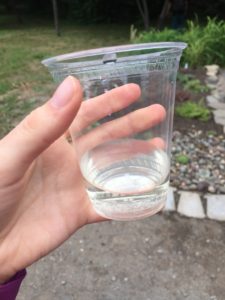
Following our walk, Cecilia served us homemade balsam fir tea. Balsam fir is our provincial tree in New Brunswick, an evergreen species that, on average, can contain three to five times more vitamin C than the best oranges! Cecilia explained that Indigenous Peoples have historically used evergreens that were readily available in New Brunswick to treat scurvy, which is caused by a vitamin C deficiency. This tea can be made by simply adding fir tips to a cup and pouring hot water over them, then waiting patiently as the tea steeps. This was a nice and refreshing treat, after our walk!
 This special experience is one that I won’t soon forget. To see a familiar place through a new lens and to meet common plants again with a new purpose, is to visit nature in a way I had not done before. Not only was it fascinating to learn about the many edible and medicinal plants that grow in our province, but, as Cecilia says, the walking and connection with others sharing in this experience is the medicine itself. For anyone wanting to expand their knowledge of our local trees, plants, and fungi and their innate value and purpose, go walk with Cecilia and Anthony on a Wabanaki Tree Spirit Tour in Odell Park!.
Be sure to follow @WabanakiTreeSpirit on Facebook to keep up with their work!

Grace Hickey is a third-year student at St. Thomas University. She is pursuing a double major in Environment and Society and Women’s and Gender Studies, which encompasses her passions for social and environmental justice. She has worked as a Conservation Outreach Assistant for CPAWS NB for the last two summers and continues to volunteer as part of the Canadian Wilderness Stewardship Program. She loves spending time in nature and exploring all of the beautiful wilderness New Brunswick has to offer.

 Ending crimes against the environment,



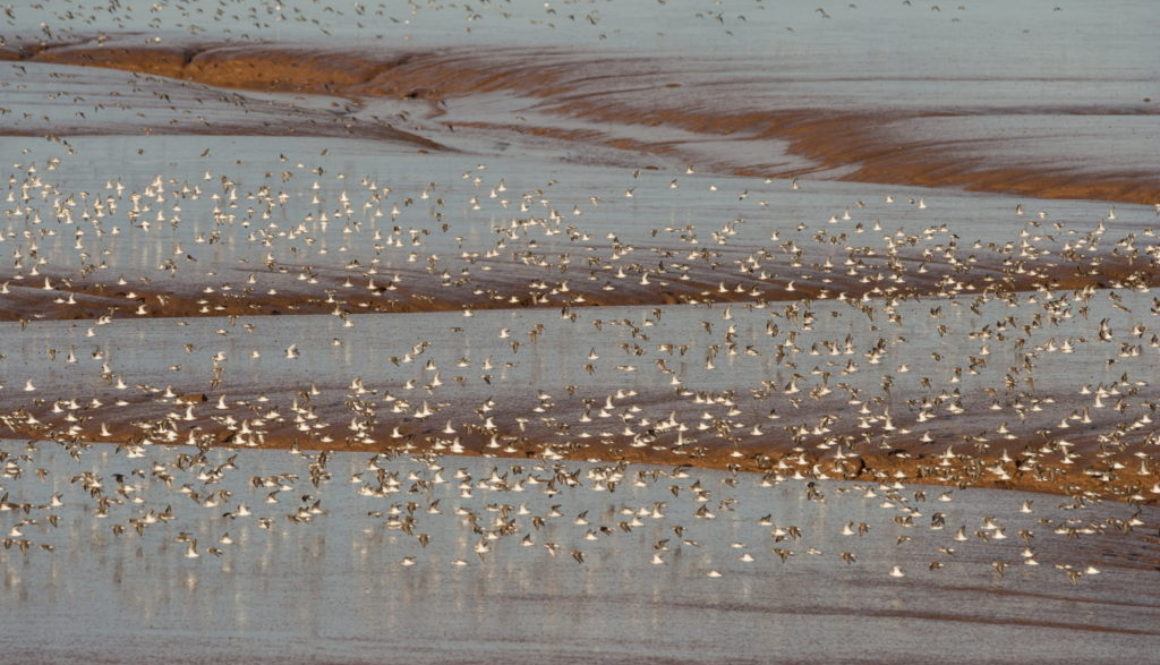
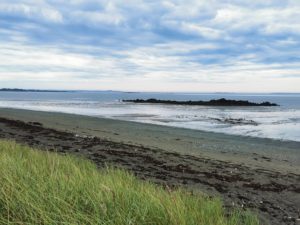
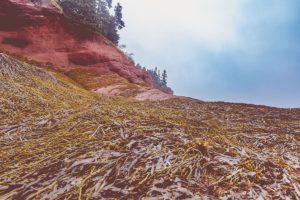
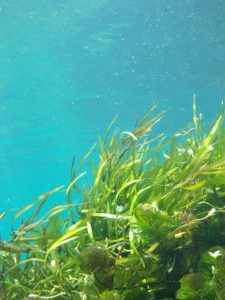 Some small crustaceans, like crabs, and invertebrates, like sea stars, can spend their entire lives in kelp forests, feeding on algae or their fellow inhabitants, and using the kelp as shelter from predators. Kelp forests are frequented by species of worms, snails, plankton, small shrimps, anemones, and jellyfish, and many larger sea and land animals rely on kelp forests as a component of their habitat. Fish, like cod and haddock, seals, and many types of seabirds can be spotted searching for food, hiding from predators, and seeking shelter from storms in these patches of algae.