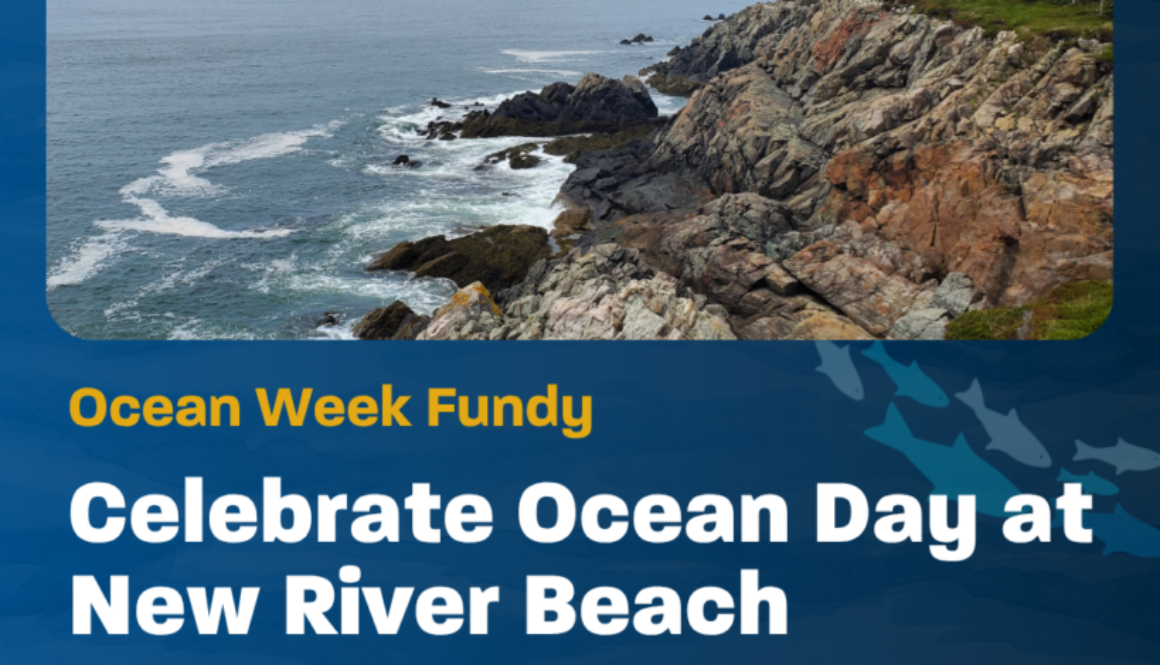
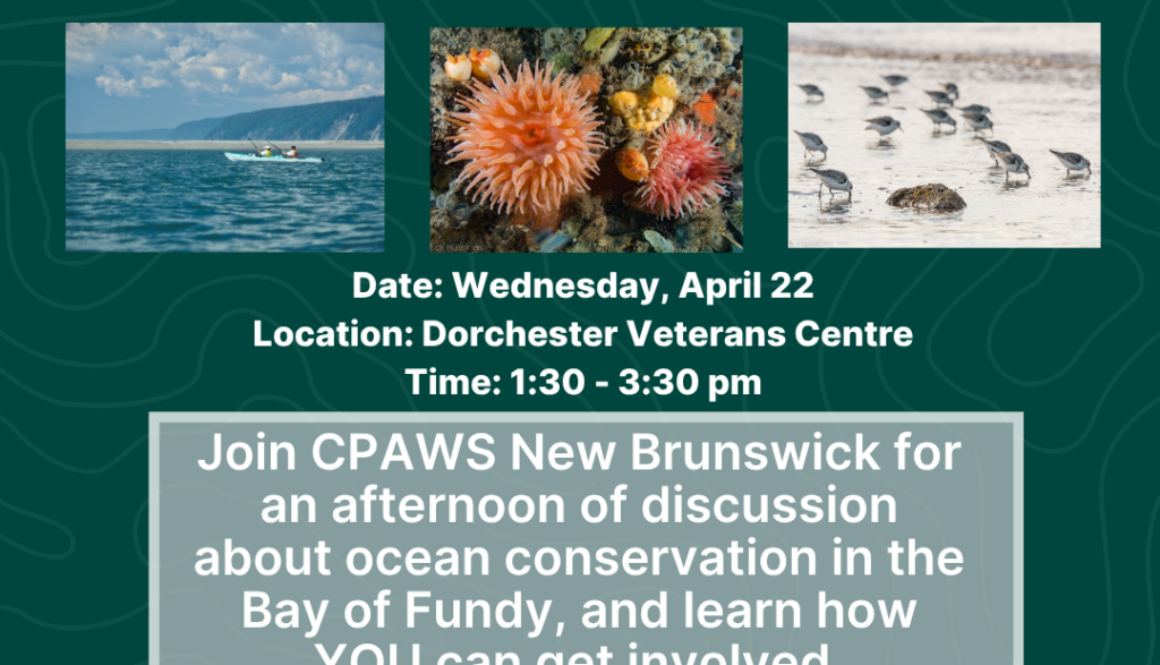
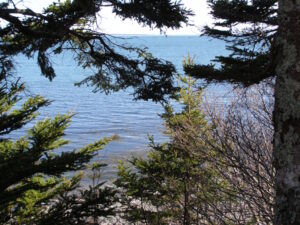
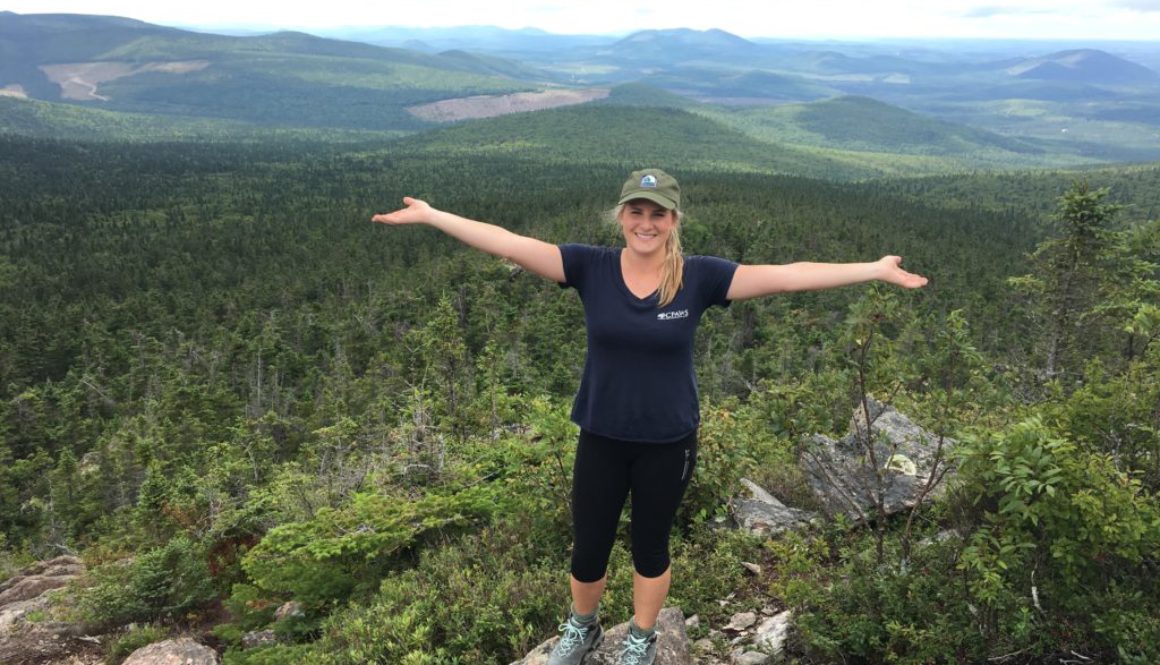
Join us to learn more about the Bay of Fundy’s unique and beautiful biodiversity and habitats. And join in the conversation about nature stewardship actions we can all take, to help keep the Bay healthy for all people and wildlife that depend on it.
10:00 -12:00 – Nature walk of the Barnaby Head Trail: join us for a guided hike to explore the important coastal forest and ocean habitats of the Bay of Fundy! Meet us in the Barnaby Head trail parking lot at 10:00 am (29 Carrying Cove Rd). *registration required for Nature Walk
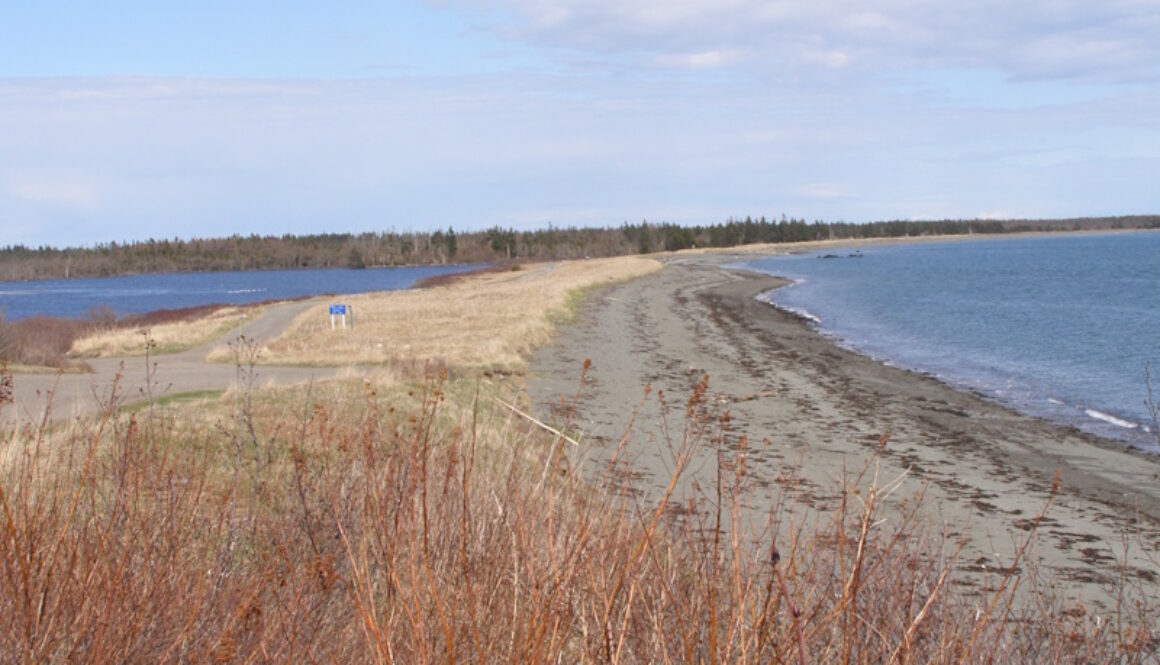
1:00 – 3:00 – Seashore Explore: beach go-ers are invited to join us for beachfront games and explore the touch tank that will showcase wildlife that we share the beach with. Meet us on the beach in front of the stairs, near the New River Beach Main entrance (78 New River Beach Rd). *drop in activities, no registration required, join us any time between 1:00 and 3:00
Activities are FREE!
Be sure to bring a hat, sunscreen, bug spray, sturdy shoes, and water!
All ages & experience levels are welcome to attend
Our staff will be sharing their knowledge and love for the plants and animals that call this park home. We cannot wait to celebrate the Bay of Fundy with you!
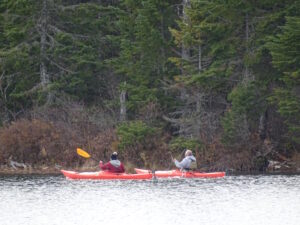
Join CPAWS NB and local environment groups at the NGO Environmental Fair, hosted as a part of Paddlefest weekend in St. Andrews! Groups will showcase the work they are doing in the area, as well as have information on how you can get involved in helping nature in your community. This is a family friendly event, with interactive activities for people of all ages!
Featured activities include:
3:00 pm – Children’s book reading with the Conservation Council of NB
3:30 pm – Nature trivia with CPAWS NB – take part for your chance to win some CPAWS NB prizes.
On March 17, 2026, the provincial government released details of its upcoming annual budget. One item that concerns us is that “the operation of provincially owned heritage properties with fewer than 5,000 visitors will be transferred to community partners or closed, in collaboration with our stakeholders.” (https://www.gnb.ca/en/gov/budget.html) As a result, several small local museums will not be opened this year. Also included on this list is the North Lake Provincial Park
Anchorage Provincial Park
In a memo released to the media, the government confirmed the closure of the park and stated that four other provincial parks will remain open while the government moves to find private organizations or community partners to take them over. These parks include Val-Comeau in Tracadie, Anchorage on Grand Manan, Oak Bay near St. Stephen. Cape Enrage on the Bay of Fundy was also on this list, but due to funding cuts, it announced it will not open this summer.
There is some confusion at this moment as to whether the government intends to find new people to run these sites or to sell them outright. Either option poses issues which need to be considered carefully so that no damage is done to the province’s tourism and natural environment.
This idea of having our parks run by private interests can be an issue for a couple of reasons. First, this has been tried in the past with parks in New Brunswick, and in some cases the government ultimately had to take back control of the sites. Meanwhile, some of these sites, such as Anchorage Provincial Park, are currently being run by community partners, and it is not yet clear what this change will mean to them.
Second, this decision appears to be based on how much money these parks make, which should not be the sole factor in making these decisions.
Our provincial parks help protect nature and provide all visitors a chance to experience stress-relief, outdoor recreation and connection to the nature of New Brunswick. They are destinations that help attract tourists to rural communities. The “visitor rates” only count those people who rent campsites. What is not counted are the local citizens and daytrippers who stop at the park for an hour or three to enjoy a little nature and may also visit the nearby community for food or supplies.
Anchorage Provincial Park
Finally, by making decisions that appear to prioritize monetizing our parks, we run the risk of more development in them to encourage people to stay overnight. This development could potentially jeopardize the natural areas within the parks, removing what makes these areas important destinations in the first place.
Those natural areas have added benefits to communities. They help absorb floodwaters or storm surges, they help keep the local areas cool during heat waves, and they help recharge the groundwaters that fill local wells. And several of these parks are part of significant wildlife habitats and corridors.
Government needs to consider the contributions these parks make to nature conservation, especially in light of the work government is doing to establish new protected areas to meet its 15% protected areas target. The parks are unceded Crown land and should not be sold or divested, as some media reports seem to imply.
We are digging into this issue to seek clarity. As this discussion moves forward, CPAWS NB will work with governments and decision-makers to try to ensure that the best choices are made for New Brunswick’s nature and communities.
Position Type: Full time summer position, 8-12 weeks dependant on funding. 35 hours per week, with some weekends and evenings.
Hourly wage: $16.00 / hour
Location: Fredericton, with travel in New Brunswick.
Deadline: Applications will be reviewed on a rolling basis and applicants are encouraged to apply early.
Start date: June 2026
The Canadian Parks and Wilderness Society – New Brunswick Chapter (CPAWS NB) is the provincial branch of a national conservation organization. We are dedicated to the long-term protection of the province’s public lands, freshwaters, and ocean surrounding NB, and work to ensure that nature comes first in parks management in the province. CPAWS NB is looking for an enthusiastic young leader, with a passion for nature and the ability to work as a key part of our environmental organization’s team this summer.
Responsibilities
The Summer Conservation Assistant will:
A) Organize and facilitate nature-focused events, outreach and activities where you will actively engage with the public. This will include traveling to event sites across New Brunswick, organizing nature-themed activities in parks and setting up and staffing CPAWS NB booths at community events.
B) Create and distribute promotional materials for nature-focused events and outreach activities, including event posts, website updates, flyers, as well as assisting with event registration.
C) Write event plans and reports on various events, and activities, to track outcomes, results and feedback received from participants. Complete other administrative tasks, such as expense reporting, travel reports, and time tracking.
D) Support CPAWS staff with revision and updates to materials for our education programs.
E) Participate in training to learn basic skills in conservation education, how to engage people in nature-oriented activities, outdoor safety, and event promotion.
Required Qualifications are:
A current post-secondary student, under the age of 30, who is studying Environmental Studies, Outdoor Education, Natural Sciences, Communications, STEM, or a related field with an interest in working in the conservation sector.
Experience and interest in conservation issues, communicating with the public, or event management and promotions.
Basic understanding of conservation and parks issues in New Brunswick.
Ability to communicate fluently in both of New Brunswick’s official languages is a strong asset for this position.
Proficiency with Word, Excel, PowerPoint, Canva and/or other similar software, and well-developed online communications skills with various social media platforms.
Exceptional organizational skills and ability to track and report on the details of various aspects of the project.
Proven leadership abilities, ability to take initiative, ability to work independently with limited supervision and to develop a work plan to achieve assigned project tasks.
Ability to work some weekends and evenings.
Must be a resident of New Brunswick or a First Nation community in New Brunswick, and a Canadian citizen, permanent resident, or person to whom refugee protection applies.
A valid New Brunswick driver’s license is required, and the ability to drive a rental car.
Priority will be given to Indigenous peoples, women studying in the STEM fields, LGBTQ+ persons, persons with disabilities and students who are members of visible minorities. Candidates have the option of identifying themselves as one of these groups on their application, if they so choose.
TO APPLY
Please indicate in your cover letter how you meet these qualifications and why you think you would be a good fit for this position at CPAWS NB. Send your résumé and cover letter in ONE FILE to dhak@cpaws.org.
The Canadian Parks and Wilderness Society – New Brunswick Chapter (CPAWS NB) has submitted recommendations to the provincial government urging it to treat nature protection as essential public infrastructure in the upcoming budget.
“Forests, wetlands, watersheds and coastal ecosystems protect communities from flooding, store carbon, support jobs, and reduce long-term public costs,” said Roberta Clowater, Executive Director of CPAWS NB. “Investing in nature is one of the most cost-effective ways the province can strengthen climate resilience and economic stability.”
The submission notes that protected areas across Canada contribute $10.9 billion to GDP and support 150,000 jobs, while in New Brunswick parks and protected areas contribute $207 million to the economy and support about 5,000 jobs.
CPAWS NB is recommending that the province:
Integrate nature-based solutions into major infrastructure planning.
Provide stable funding for conservation and land stewardship organizations, and dedicate funding to ensure thorough, early and meaningful consultation and engagement with Indigenous Leaders, Nations and communities for parks and protected areas.
Support departmental efforts to reach 15% protected land by 2027 and to develop a pathway to 30% by 2030 and invest in protection of natural assets in provincial parks.
“Nature protection isn’t just about conservation – it’s about protecting communities, strengthening the economy, and reducing long-term public liabilities,” said Clowater.
The Canadian Parks and Wilderness Society – New Brunswick Chapter (CPAWS NB) has submitted recommendations to the provincial government calling for a modernized Clean Water Act that reflects the realities of climate change, biodiversity loss, and growing pressures on the province’s watersheds.
“Protecting nature is protecting water,” said Roberta Clowater, Executive Director of CPAWS NB. “The wetlands, forests, rivers and peatlands that shape New Brunswick’s landscape are the foundation of clean drinking water, climate resilience, and healthy communities.”
In its submission, CPAWS NB urges the province to strengthen protections for wetlands and peatlands, implement watershed-based planning across the province, align the Clean Water Act with other conservation laws, and establish stronger safeguards for coastal ecosystems facing increasing climate risks.
The organization also recommends greater transparency and monitoring of water quality and watershed health, as well as stronger alignment between water protection and New Brunswick’s conservation and climate commitments.
“Modernizing the Clean Water Act is a critical opportunity to ensure that water protection, nature conservation, and climate resilience move forward together,” Clowater said. “Healthy watersheds are natural infrastructure that protect communities, support biodiversity, and secure drinking water for generations to come.”
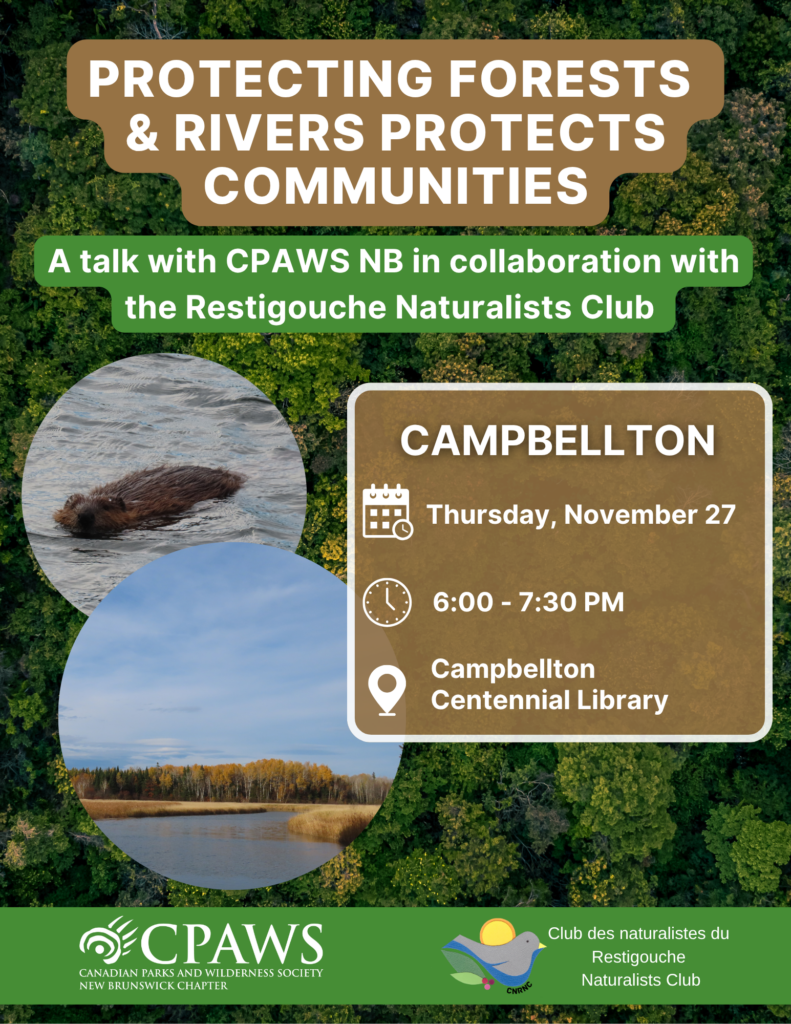
Join CPAWS NB and the Restigouche Naturalists Club in Campbellton at the Campbellton Centennial Library to explore how strong forest and river protection helps keep your community healthy, safe, and thriving.
In New Brunswick we have a rare opportunity right now – the provincial government has promised to increase protected areas to reach 15% of the province! With this opportunity, we can work together to protect the forests, rivers, and wild spaces you love as a part of that promise
This will be a bilingual presentation and light refreshments will be served. All are welcome!
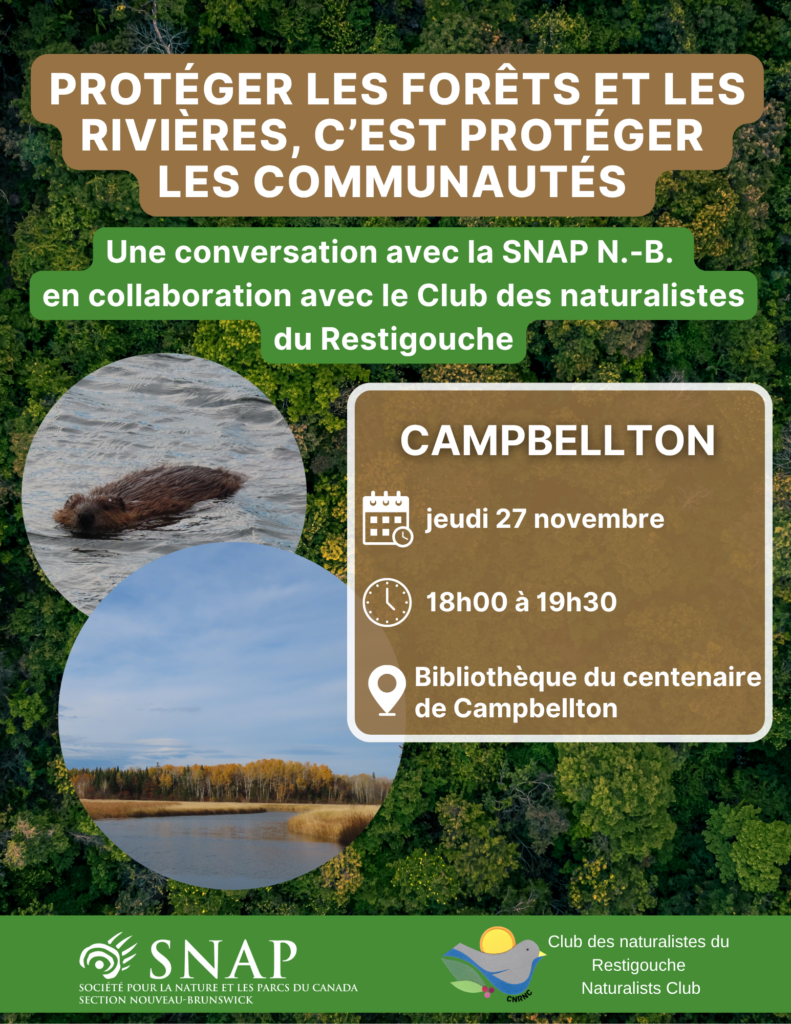
Rejoignez la SNAP N.-B. et le Club des naturalistes du Restigouche à Campbellton, à la Bibliothèque du centenaire de Campbellton, pour découvrir comment une protection forte des forêts et des rivières contribue à la santé, à la sécurité et à la prospérité de votre communauté.
Au Nouveau-Brunswick, nous avons actuellement une occasion rare : le gouvernement provincial a promis d’augmenter les zones protégées pour atteindre 15 % de la province ! Grâce à cette opportunité, nous pouvons travailler ensemble pour protéger les forêts, les rivières et les espaces sauvages que vous aimez dans le cadre de cette promesse.
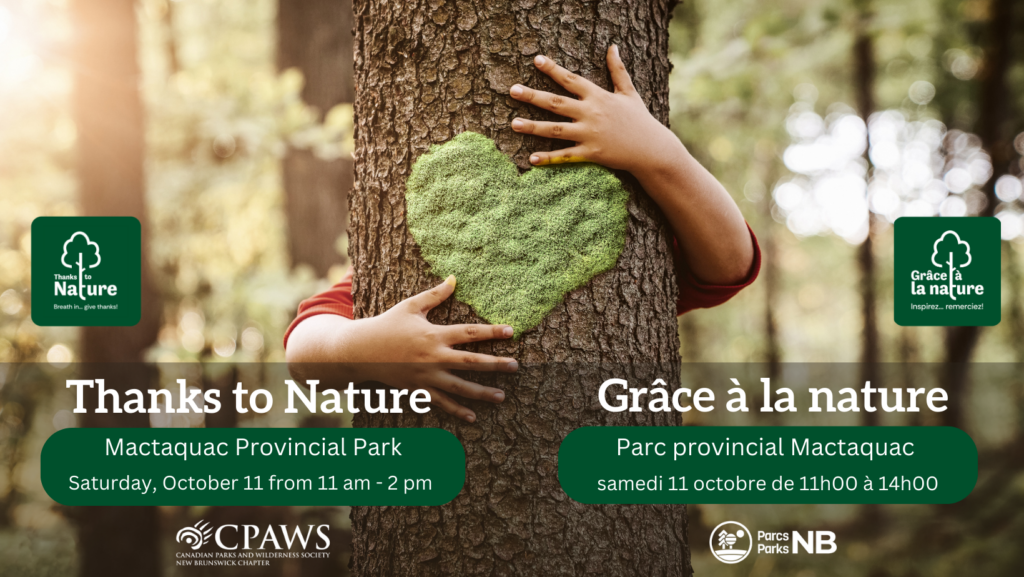
CPAWS NB invites you to our Thanks to Nature event on Thanksgiving Saturday, at Mactaquac Provincial Park! Join us to spend time outside, enjoy the beautiful fall colours, and say thank you to nature.
Thanks to Nature is an opportunity to celebrate nature and give thanks for all it provides us. Whether you are thankful for nature’s resources, the beauty of the forest, or the health benefits it provides, join us for Thanks to Nature to share gratitude and be a part of a new holiday tradition.
This event includes a self-guided nature walk with on-trail interpretation and activity stations. Our CPAWS staff and volunteers will be on trail with answers to your questions about nature, offer opportunities for reflection, and a chance to slow down and appreciate the beautiful nature around you.
Participants are welcome to join anytime between 11:00 AM and 2:00 PM and can walk along the trail at your own pace. The selected trail is an accessible route that is approximately 1.3 kilometers long and perfect for all outdoor experience levels. A Hippocampe all-terrain wheelchair can be requested for use.
What should I bring?
Please come prepared with water and sturdy shoes to walk in. Dress accordingly to the weather on the day.
Is the event free?
Yes, our event is free for participants. There will be refreshments available on the trail. Participants will be entered to win exciting prizes.
La SNAP N.-B. vous invite à notre évènement Grâce à la nature le samedi de l’Action de grâce, au parc provincial Mactaquac ! Venez passer du temps dehors avec nous, apprécier les magnifiques couleurs de l’automne et dire merci à la nature.
Grâce à la nature est l’occasion de célébrer la nature et de la remercier pour tout ce qu’elle nous offre. Que vous soyez reconnaissant pour les ressources naturelles, la beauté de la forêt ou les bienfaits qu’elle apporte à la santé, rejoignez-nous pour Grâce à la nature afin de partager votre gratitude et de prendre part à une nouvelle tradition festive.
Cet évènement comprend une randonnée naturelle autoguidée avec des stations d’interprétation et d’activités le long du sentier. Notre personnel et nos bénévoles de la SNAP seront présents tout au long du sentier pour répondre à vos questions sur la nature, vous offrir des occasions de réflexion et vous permettre de ralentir et d’apprécier la beauté du monde naturel qui vous entoure.
Les participants sont les bienvenus entre 11 h et 14 h et peuvent parcourir le sentier à leur rythme. Le sentier sélectionné est un parcours accessible d’environ 1,3 kilomètre, idéal pour tous les niveaux d’expérience en plein air. Il est possible de demander un fauteuil roulant tout-terrain Hippocampe.
Que dois-je apporter ?
Veuillez-vous préparer en apportant de l’eau et des chaussures robustes pour marcher. Habillez-vous en fonction de la météo du jour.
L’évènement est-il gratuit ?
Oui, notre évènement est gratuit pour les participants. Des rafraîchissements seront disponibles sur le sentier. Les participants seront inscrits pour gagner des prix amusants.
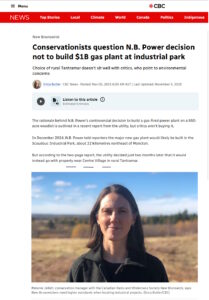
The Canadian Parks and Wilderness Society – New Brunswick Chapter (CPAWS NB) has submitted comments to the Federal Impact Assessment Agency opposing the proposed Centre Village natural gas plant in Tantramar, due to its location in a critical wildlife corridor.
“The Chignecto Isthmus is one of the most important ecological corridors in Atlantic Canada,” said Melanie Jellett, Conservation Manager with CPAWS NB. “Placing a fossil-fuel power plant in the middle of this migratory route risks further fragmenting important wildlife habitat, harming wetlands, and threatening the species at risk that rely on this landscape.”
CPAWS-NB’s submission highlights risks to migratory birds along the Atlantic Flyway, nearby wetlands and waterways connected to the Tantramar River watershed, and species of conservation concern including the Common Nighthawk, Rusty Blackbird, and Olive-sided Flycatcher.
The organization is urging the Impact Assessment Agency of Canada to reject the proposal as currently planned and to apply a precautionary approach to development in this globally significant ecological corridor.
“At a time when Canada must reduce emissions and halt biodiversity loss, building new fossil-fuel infrastructure in such a sensitive ecological area moves us in the wrong direction,” Jellett said.