

Why Modernizing New Brunswick’s Clean Water Act Matters
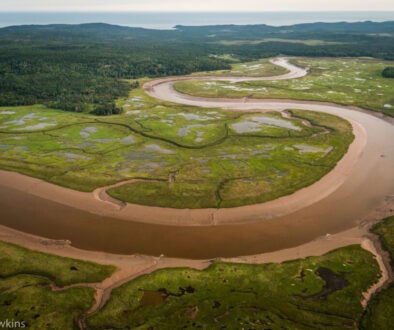
Clean water starts in nature. Forests, wetlands, and rivers help filter and store the water communities depend on every day.
Protecting Nature Is Protecting Water
When we think about clean water, we often think about treatment plants, wells, and testing. But long before water reaches our homes, nature is already doing the work. New Brunswick’s wetlands, forests, and peatlands filter water, store it, reduce flooding, and help keep rivers and lakes healthy. That means protecting nature is one of the smartest ways to protect water.
 That is why the Canadian Parks and Wilderness Society – New Brunswick Chapter (CPAWS NB) made recommendations to the all-party Standing Committee on Environment and Climate Change on how to modernize the province’s Clean Water Act. This review is a chance to create stronger water protections that reflect today’s climate and conservation challenges.
At the heart of CPAWS NB’s message are three big ideas:
- Put watershed-scale planning into law
- Better align drinking water watershed protection with protected areas policy
- Strengthen safeguards for wetlands, peatlands, and coastal habitats
Idea 1 – Put Watershed-Scale Planning into Law
New Brunswick’s water laws were built for an earlier era, one focused mainly on treatment and localized protection. But climate change, cumulative land-use impacts, and mounting pressure on rivers, wetlands, and groundwater mean that approach is no longer enough.
Healthy watersheds help prevent flooding, protect drinking water, support fish habitat, and lower future costs tied to pollution and property damage. Investing in watershed protection now can save money and reduce risk later.
New Brunswick already has a Water Classification Regulation that could support watershed management, but it has never been implemented. An updated Clean Water Act should finally close that gap.
Here is what that could look like in practice:
- Require watershed management plans for all 13 major watersheds in New Brunswick
- Create a Watershed Protection Regulation developed with Indigenous Nations, watershed groups, and municipalities
- Make cumulative effects assessment explicit so permits account for watershed-wide impacts
- Establish a Watershed Stewardship Fund to support local monitoring and restoration
Idea 2 – Connect Drinking Water Protection with Protected Areas
About 40% of New Brunswickers get their drinking water from surface watersheds These are the connected lands, streams, lakes, and rivers that collect and move water across the landscape. Communities such as Edmundston, Dalhousie, Bathurst, Moncton, and Saint John depend on these watersheds. The rest of the population relies mainly on groundwater connected to wells.
New Brunswick has 29 protected drinking water watersheds that limit some land use to help keep pollution out of public water supplies. But these areas are not integrated into the province’s protected areas system.There is a gap between protecting water quality and protecting the forests and wetlands that make clean and plentiful water possible.
CPAWS NB recommends government align the Clean Water Act with the Protected Natural Areas Act so that the most water-protective parts of drinking water watersheds, such as headwater forests and wetlands, are secured for essential water supply protection.
One practical way to do this is through a tiered protection model:
- Core Protection Zones: Headwater forests, streams, wetlands, and significant recharge zones would be formally protected and managed for ecological integrity and water protection. On Crown land, these could be protected under the Protected Natural Areas Act.
- Managed Buffer Zones: Surrounding areas would stay under the Clean Water Act but with stronger buffers, cumulative effects assessments, and stricter land-use rules.
- Broader Watershed Planning: Entire watersheds would be governed through integrated planning across forestry, agriculture, and development.
Other parts of Canada and the world are connecting source water protection with broader conservation planning, and New Brunswick can do the same.
Securing key drinking water areas as protected areas, especially on Crown land, would help New Brunswick advance water security, biodiversity goals, and climate resilience at the same time, and allow water-friendly land use in surrounding areas.
Case Study: Saint John Shows What This Could Look Like
Saint John offers a local example of how drinking water watersheds can also be conservation areas, when the right tools and partnerships are in place.
In the Loch Lomond and Spruce Lake watersheds, 4,800 hectares of municipally owned land have been protected through partnerships among the Nature Conservancy of Canada, the City of Saint John, and provincial and federal governments.
These lands are being protected to:
- Conserve intact forests, wetlands, and shorelines
- Safeguard drinking water quality and quantity
- Reduce water treatment costs through natural filtration
- Contribute to provincial conservation targets
The Saint John example shows that drinking water watersheds can protect a public necessity and natural landscapes. A modernized Clean Water Act could help formalize and expand this kind of approach across the province.
Idea 3 – Strengthen Protection for Wetlands, Peatlands, and Coastal Habitats
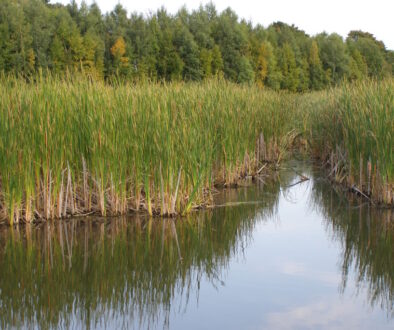
Wetlands cover about 9% of New Brunswick and deliver major public benefits. They absorb floodwaters, store carbon, reduce fire risk, and provide habitat for wildlife.
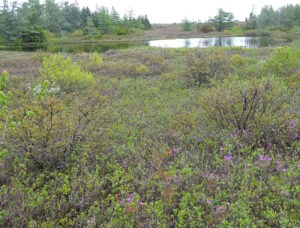 Peatlands are especially important because they lock away significant amounts of carbon. Yet they lack strong protection and many are being mined for peat. Peatlands are irreplaceable carbon reserves, biodiversity strongholds, and part of the natural systems that help communities adapt to climate change.
To strengthen protection for these habitats, CPAWS NB recommends the revised Clean Water Act:
- Remove the exemption of peatland projects from the Watercourse and Wetland Alteration regulation
- Create a “no net loss of area” standard for provincially significant wetlands, not just a no net loss of function standard
- Strengthen mandatory buffers around wetlands and watercourses, with higher standards for sensitive ecosystems and flood-prone areas
A Chance to Build a Stronger Water Future
Modernizing the Clean Water Act is a chance to recognize wetlands, forests, and peatlands as protectors of water and to future-proof water protection against climate change, biodiversity loss, and increasing industrial pressure on freshwater supplies.
As our climate gets hotter and demand for water grows, New Brunswick needs enforceable rules that protect both water quality and water quantity. Clean and plentiful water is not optional. It is a necessity for healthy communities, thriving wildlife, and a resilient future.
That is why CPAWS NB is urging the province to act now, and to build a Clean Water Act that reflects the reality that to protect water we need to protect nature.
Update – July 2026
CPAWS NB’s recommendations are reflected in the Standing Committee on Environment and Climate Change’s report on what it heard through public hearings and submissions. We are encouraged that the Committee included key details from our submission. The next step is for the Government of New Brunswick to bring forward strong changes that modernize the Clean Water Act to better protect freshwater and wetlands. To read the report from the legislative committee reviewing the Clean Water Act, which includes our recommendations, see here.: English French