In its latest annual report on the state of protected areas in Canada, the Canadian Parks and Wilderness Society (CPAWS) is calling Canada out for ranking last among G7 countries in the percentage of land and freshwater protected for nature. CPAWS’ 2017 report “From Laggard to Leader? Canada’s renewed focus on protecting nature could deliver results,” encourages federal, provincial, and territorial governments to step up their protection efforts in order to conserve Canada’s natural heritage, and deliver on our international commitment.
Read the full report.
Read the Executive Summary with recommendations.
For interviews, contact: Karen Turner (613) 569-7226 x 232.
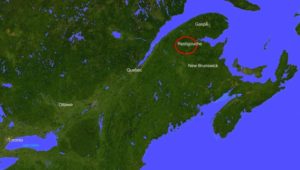
A Canadian Heritage River, the Restigouche River system is one of Eastern Canada’s most spectacular wild watersheds. Its 1 million hectares of valleys, hills, and streams flow across northwestern New Brunswick and Quebec’s Gaspé.
The international Two Countries, One Forest network recognizes the Restigouche as one of 5 critical ecological linkages in the northern New England / southern Quebec / Maritimes region. Yet, government has protected from development less than 3 percent of the watershed in New Brunswick, leaving most areas open for mining, logging or new development proposals. Forest management plans show that most of the wildest areas of forest on Crown land will be logged within 5 to 10 years. This will remove habitat around salmon streams and for wildlife that need old forests.
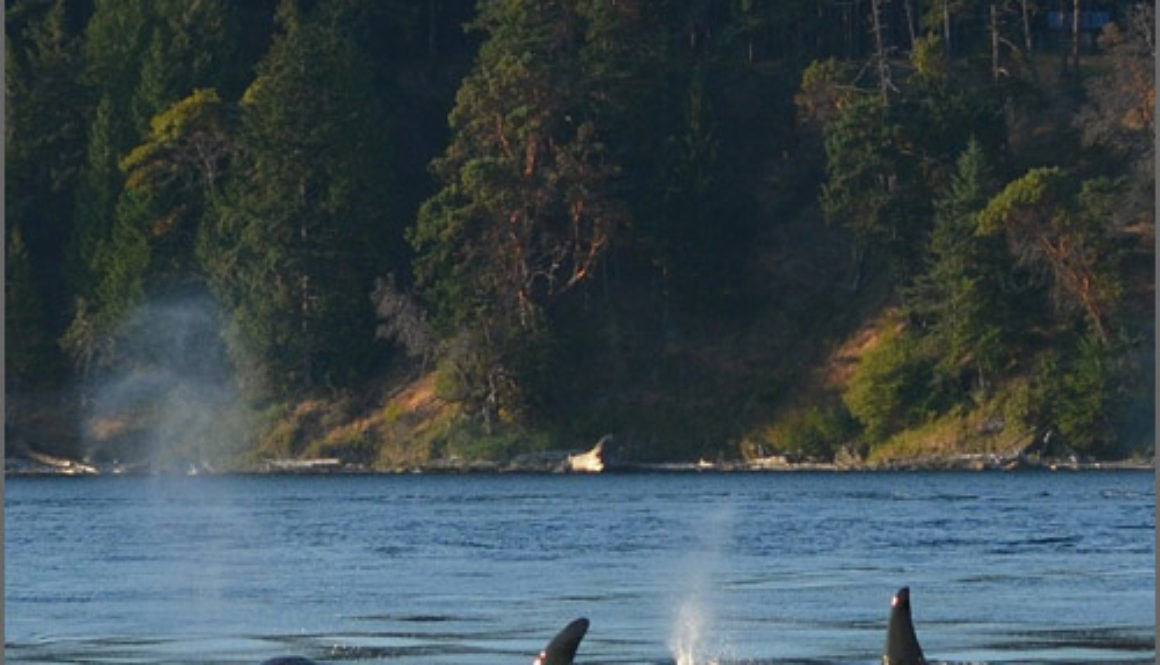
Moose, black bears, American marten, fisher, bald eagles, barred owls, scarlet tanagers and numerous interior forest birds thrive amidst forest-covered hills, deep gorges and some of the most pristine rivers and streams in Eastern Canada.
Atlantic salmon – The Restigouche River and its tributaries support one of the most productive wild Atlantic salmon populations, with some of the largest salmon, in eastern Canada.
Canada lynx – Restigouche natural areas are home to critical populations of Canada lynx. The area provides a natural corridor for lynx to disperse for feeding and breeding between the Gaspé and northern Maine.
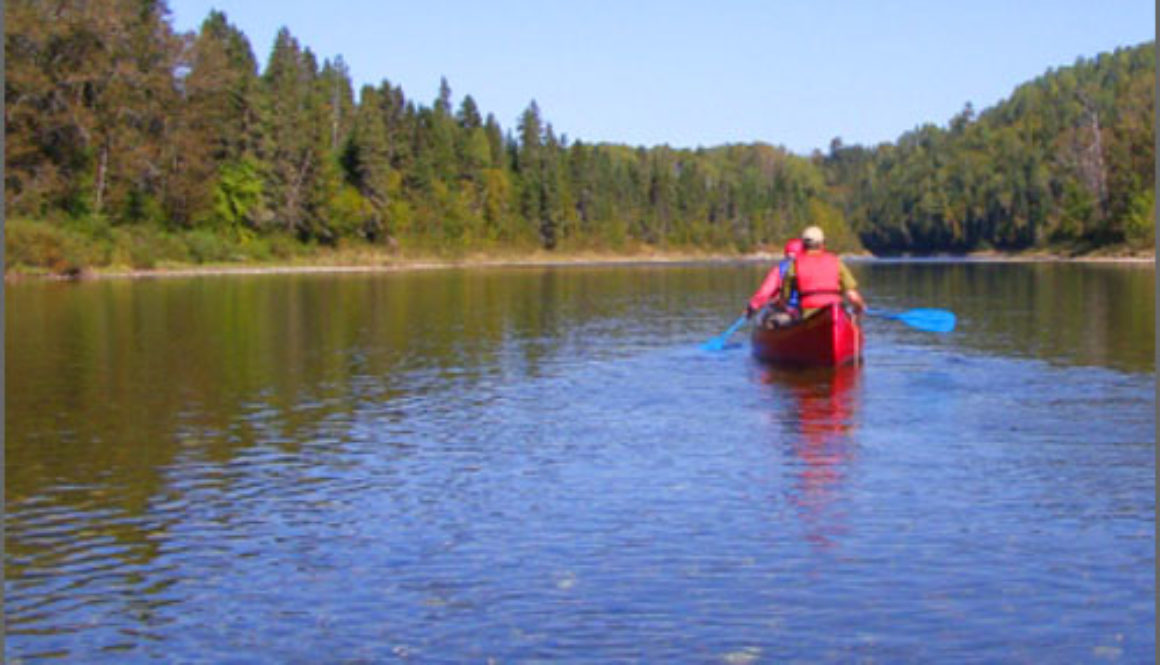
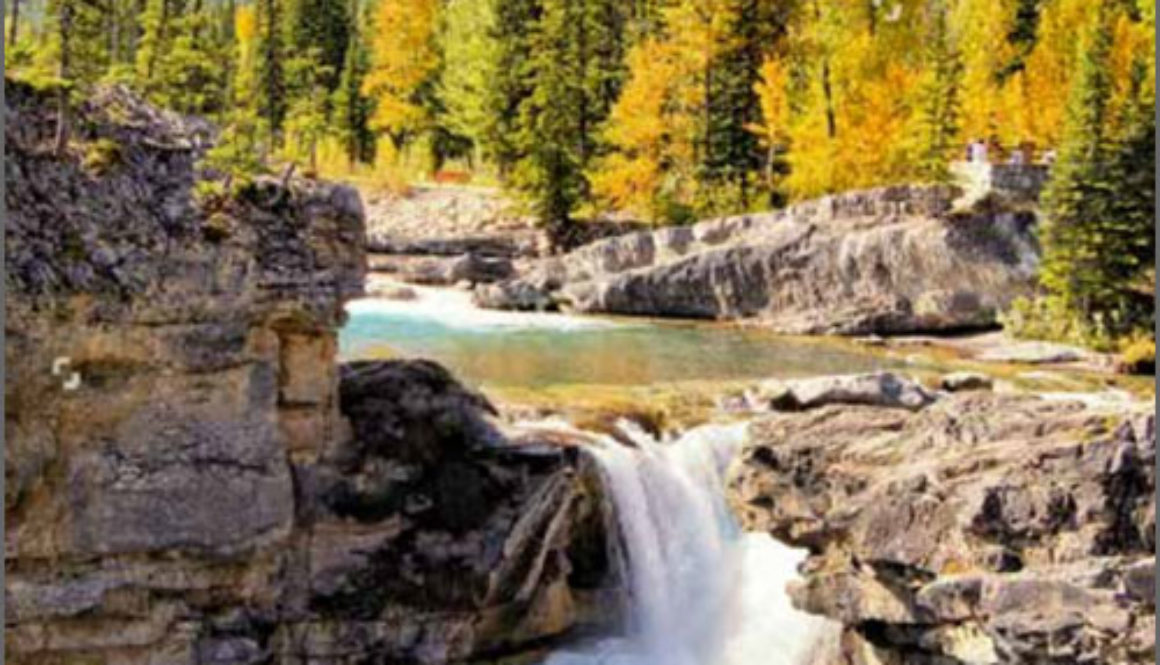
A world-class destination for ecotourism, outdoor adventures, and angling, with plenty of economic tourism potential yet untapped.
Part of the traditional territory of the Gespe’gewa’gi Mi’gmaw, who have an interest in conserving Restigouche’s resources and cultural heritage
Canoeing, hunting, trapping and angling support many Restigouche communities, and an attachment to the land, sea and rivers runs deeply – angling alone is worth at least $20 million and hundreds of jobs to the region.
Forestry on public land is an important part of the region’s economy – increased conservation and ecologically responsible forest management will help us sell forest products to an increasingly environmentally conscious marketplace.
Over 16,000 people have signed on in support of marine protection in Canada. Add your voice to support advancing marine conservation through the establishment of a network of marine protected areas! Take the Dare to be Deep pledge here.
Our vision is that the Restigouche River Watershed conserves the diversity of natural habitats and wildlife across the Restigouche River watershed (in New Brunswick and Quebec) and supports vibrant human communities and sustainable forest and river-based economies.
CPAWS NB has been meeting with community groups in the Restigouche for over 15 years. CPAWS NB and our partners believe that government needs to conserve these natural assets in the Restigouche to ensure vibrant communities:
Protected wilderness areas that support the ecotourism and tourism sectors, including road less areas, steep slopes and scenic rivers – at least 10 percent of the watershed;
Forest areas managed to support sustainable production of non-timber forest products, including mushrooms, ginseng, ground hemlock and maple syrup;
Conserved wildlife habitats that allow native wildlife to thrive;
Protected river systems and headwaters where forest harvesting and road building is strictly controlled to support wild Atlantic salmon rivers and spawning grounds.
Restigouche River Wilderness Waterway – CPAWS NB is inspired by the Allagash River in Maine, whose Wilderness Waterway protection plan may serve as a model for protecting the Restigouche.
CPAWS NB envisions a wide, protected corridor that includes the Crown land along the Restigouche, the Kedgwick and the Upsalquitch Rivers and links with permanent protected areas and parks. Such a corridor would ensure that the wild nature of the river is preserved – giving anglers and canoeists the chance to enjoy a healthy, vibrant, and unspoiled wild river experience.
1. Write a letter or email to the Premier of New Brunswick and Minister of Natural Resources: Premier Brian Gallant Hon. Rick Doucet, Minister of Energy and Resource Development P.O. Box 6000 Fredericton, NB E3B 5H1
premier@gnb.ca rick.douct@gnb.ca
2. Print our information sheet or our Restigouche Ecotourism Opportunities Backgrounder and give it to groups, politicians or community leaders who might be interested.
3. Invite us to speak to your group about Restigouche Wilderness Protection.
4. Follow us on Facebook and Twitter to keep up to date on additional actions.
New Brunswick currently protects less than 4 percent of our forests from development and industrial activity. That is way below the bare minimum needed to conserve our wildlife and wilderness values for the future. New Brunswick is second to last of all provinces in Canada in the proportion of land we’ve protected. It’s nowhere near enough!
New Brunswick’s Acadian Forests dominate our landscape. Their long-lived, towering trees keep our rivers cool and filter their waters. They provide homes for iconic Canadian species, including Canada lynx, American marten, flying squirrels, moose, deer, and once even caribou. Warblers, barred owls, hazelnuts, and fiddleheads have thrived in the midst of these giants.
New Brunswick currently protects less than 4 percent of our forests from development and industrial activity. That is way below the bare minimum needed to conserve our wildlife and wilderness values for the future. New Brunswick is second to last of all provinces in Canada in the proportion of land we’ve protected. It’s nowhere near enough!
CPAWS had recommended that at least 17 percent of New Brunswick’s Crown land, including the largest patches of old forest, be designated by 2015 as permanently protected areas. We also asked the province to immediately take action to keep all of the Crown land they were conserving as old forests, wildlife habitat and riverbank buffers.
In 2014, the New Brunswick government released its 10-year plan for Crown lands, and chose not to accept our recommendations.
What's wrong with the current forestry strategy for Crown lands
The provincial government created new Protected Natural Areas in 2014. This brought New Brunswick’s proportion of protected land up to 4.7 percent of the province. The national average is 10 percent.
At the same time, government removed conservation from more than one-quarter of our public land they used to manage to conserve fish, wildlife habitat and our rivers. The forestry industry has access to these previously conserved habitats for increased logging and clear-cutting. Researchers are very concerned that it will be difficult to conserve viable populations of all our wildlife under this plan.
The strategy puts at risk our cold-water rivers and their wild Atlantic salmon populations. Old forests in the headwaters of the Restigouche and Miramichi Rivers used to provide shady habitat, but now are open for increased clear-cutting.
At the same time, government will allow industry to double the amount of tree plantations, to occupy one-quarter of Crown forests. Tree plantations are NOT the same as old growth mixed forests, and take away habitat vital for the survival of native wildlife such as barred owls, flying squirrels and American marten.
For our forests to be resilient to climate change, we need to conserve diversity and natural forests. The current strategy is reducing natural diversity in forests and along waterways. This increases the risk new or increased pests and diseases, droughts, floods and fires will degrade our forests.
The majority of the public told the Select Committee on Wood Supply in 2004 they do not want government to sacrifice fish and wildlife habitat to increase wood supply. The Select Committee rejected industry’s request to put a cap on conservation zones, and instead recommended that government reduce the amount of clear-cutting.
A survey of New Brunswickers in 2014 found that a large majority place highest priority on protecting our forests to conserve fresh water, air and wildlife habitat. Our citizens expect government to stand up for core public values, and to conserve what remains of our natural forests.
The survey showed that people want more say in how government manages our forests. Government has still not implemented any consultation strategy to involve the public in shaping our forests’ future.
CPAWS is recommending that at least 20 percent of Crown land (10 percent of the province), including the largest patches of old forest, be designated by 2020 in permanent protected areas. These areas would prohibit logging and mining, and be open to outdoor recreation. This amount will move us closer to the level in other provinces – the national average is over 10 percent. There is no plan to increase our protected areas, so we need a new commitment.
CPAWS is recommending the province bring back conservation to the parts of Crown land they were conserving as old forests, wildlife habitat and riverbank buffers. What we have now is below the bare minimum required to conserve all the wildlife that need old forests.
If we take these steps, New Brunswick will be doing our fair share to protect wilderness areas and wildlife, and the significant tourism and ecotourism jobs that go with them. We will be protecting our forests to be resilient to climate change. This will conserve the richness of the forest, and help provide ecological services and resources we need (from river protection to timber).
Write an email or a letter to the Minister of Energy and Resource Development – we’ve created an easy link here.
Write a letter to the editor to explain any concerns you have about the state of forest conservation in New Brunswick. Decision-makers read them!
New Brunswick needs to step up and commit to new protected areas by 2020
Fredericton – In its latest annual report on the state of protected areas in Canada, the Canadian Parks and Wilderness Society (CPAWS) is calling upon New Brunswick to step up efforts to protect more land by 2020. CPAWS’ 2017 report “From Laggard to Leader? Canada’s renewed focus on protecting nature could deliver results” calls Canada out for ranking last among G7 countries in the percentage of land and freshwater protected for conservation purposes, and encourages governments to conserve Canada’s natural heritage, starting by delivering on their international commitment. New Brunswick ranks 2nd to last among the Canadian provinces and territories.
With only 10.6% of its landscape currently protected, Canada lags behind the global average of 15%, and also trails other large countries such as China, Brazil, and Australia. In 2010, as part of a worldwide effort to stem the tide of biodiversity loss, Canada committed under the United Nations Convention on Biological Diversity to protecting at least 17%of land and inland waters by 2020 and improving the quality of their protected area systems to more effectively conserve nature.
The report recognizes that Canadian governments are finally starting to take this commitment seriously after years of inaction. In February 2017, federal, provincial and territorial Ministers responsible for parks and protected areas publicly announced their commitment to work together to achieve this target. A new Pathway to 2020 process was initiated, and the Indigenous Circle of Experts and National Advisory Panel appointed to advise Ministers on this work.
“In New Brunswick, there has been no progress on working towards the national protected areas targets,” says Roberta Clowater, Executive Director of CPAWS New Brunswick. “There are steps that can be taken by the province immediately to help Canada reach our goals, including setting a target to increase protected areas, developing an action plan to 2020 and beyond, and protecting the Restigouche Wilderness Waterway.”
“With less than 3 years to fulfill our 2020 commitment, we need to get going now,” adds Hébert-Daly. “In the report we identify places across Canada where a considerable amount of work has already been done on proposed protected areas. By acting now to permanently protect these sites, while also planning for what’s needed to conserve nature in the long term, Canada has a chance to move from laggard to leader.”
Clowater adds, “The New Brunswick government could create a world-class wilderness tourism destination by establishing the Restigouche Wilderness Waterway – a wide protected corridor along the river, on Crown land. Currently, 97% of the New Brunswick portion of the Restigouche watershed is open to development, and industrial development is eating away at the region’s wild forests and rivers year by year. By conserving this area’s special nature, promising ecotourism businesses could reliably promote a quality wilderness destination to nature-seeking tourists around the world.”
Protected areas are important to conserve wildlife and wilderness, as well as provide clean air and water for all Canadians, store carbon, and play a major role in improving our health and well-being. They also make economic sense. Protected areas around the world generate US$600 billion per year in direct spending, while costing less than US$10 billion per year to manage.
For over 50 years, CPAWS has been working with all levels of government, and other partners across the country to protect more of Canada’s public lands. As the only nationwide charity dedicated to the protection of our public lands and water, we are uniquely positioned to help governments protect what nature really needs.
For interviews, contact: Roberta Clowater, rclowater@cpaws.org; 506-452-9902
The Canadian Parks and Wilderness Society (CPAWS) today responded to Minister Dominic LeBlanc’s announcement about Fisheries and Oceans Canada policy and sites regarding Other Effective Area-based Conservation Measures (OECMs).
“While we appreciate the efforts that Minister LeBlanc and his department have made to be the first government in the world to develop explicit policy on marine OECMs, we are concerned that neither the policy nor the sites announced today meet the test set out by the Convention on Biological Diversity to protect biodiversity as a whole”, said Sabine Jessen, CPAWS National Ocean Program Director. “As long as other industrial activities are being allowed in these areas, it is difficult to see them as ‘marine refuges’, as DFO has labeled them.”
Signatory countries, including Canada, to the UN Convention on Biological Diversity (CBD), have agreed to meet Aichi Target 11, which commits governments to:
By 2020, at least 17 per cent of terrestrial and inland water, and 10 per cent of coastal and marine areas, especially areas of particular importance for biodiversity and ecosystem services, are conserved through effectively and equitably managed, ecologically representative and well connected systems of protected areas and other effective area-based conservation measures, and integrated into the wider landscapes and seascapes.
Under the CBD convention, in-situ conservation of biological diversity means that the areas counted towards Aichi Target 11 should be managed to achieve the conservation of ecosystems and natural habitats and the maintenance and recovery of viable populations of species in their natural surroundings. With only 3 years left to meet these ambitious targets, countries around the world are racing against the clock to put new protection measures in place. In Canada, only 1% of our ocean territory is currently protected.
“In Canada, the Canadian Council on Ecological Areas (www.ccea.org) has been working for the past 5 years with the protected areas community of practice to develop science-based guidance for the identification and reporting of OECMs on land and in the sea. We are concerned that DFO’s approach is not consistent with emerging guidance from the CCEA and could also undermine efforts to define OECMs on land”, said Alison Woodley, CPAWS National Parks Program Director.
“The DFO policy is also not consistent with the emerging international consensus on OECM guidance being developed for the CBD by the International Union for the Conservation of Nature (IUCN)”, noted Jessen. “The draft IUCN guidance and the CCEA guidance are clear that any sites contributing toward the CBD Aichi Target 11, should be effective at conserving biodiversity. That cannot happen if these areas are left vulnerable to industrial-scale fishing, oil and gas exploration and development, and other industrial uses, which should be expressly prohibited.”
“In reviewing the sites that are being counted, we are concerned that the ancient and globally unique Strait of Georgia glass sponge reefs in BC, while protected from all bottom contact fishing, remain vulnerable to anchoring and cable laying and fail to consider the ecosystem linkages between the surface waters and seafloor ecosystem,” said Jessen.
“In the Gulf of St. Lawrence, based upon the information provided so far, the scallop buffer zones only restrict scallop fishing, and all other activities would be allowed to continue,” noted Roberta Clowater, Executive Director of CPAWS-New Brunswick. “This single restriction is not likely to contribute much to protecting overall biodiversity in these zones from current or future industrial activity.”
“In the case of the 3O coral closure, we are concerned that scientific advice that the closure should include areas within the 400m to 800m depth contour, has not been addressed,” noted Tanya Edwards, Co-Executive Director, CPAWS Newfoundland and Labrador Chapter. “In addition, while corals and sponges are being protected through the prohibition of bottom contact fishing, the other ecological values and linkages within the pelagic realm are being completely ignored.”
“While these sites each have some interim steps toward protection of specific elements of biodiversity, CPAWS believes that they all need additional measures to provide long-term protection for all elements of biodiversity, before they can count towards meeting the CBD target”, said Jessen.
For further information about the CCEA guidance on OECMs see: http://www.ccea.org/aichi-target-11-guidance/
For further information about the IUCN guidance on OECMs see: https://www.iucn.org/theme/protected-areas/wcpa/what-we-do/other-effective-area-based-conservation-measures-oecms
[The following commentary appeared in The Daily Gleaner on April 5, 2017.]
For the first time since 1992, Canadian governments are working together to expand our network of protected areas to conserve nature. The federal government and all provinces and territories recently agreed to work on a plan to meet international targets for protected areas.
In 2010, Canada committed to protecting at least 17 per cent of land and 10 per cent of our ocean by 2020, under the United Nations Convention on Biological Diversity.
New Brunswick needs to contribute to this plan and report on actions. Canadian Parks and Wilderness Society – NB Chapter (CPAWS NB) is eager to support our government to put nature conservation at the forefront of our nation building.
CPAWS NB has a three-point plan for how the provincial government can do this. First, New Brunswick should commit to a new action plan to have at least 10 per cent of the province in legally protected natural areas and nature-oriented parks.
This would bring us up to the national average, and be more comparable to the action plans of all the other provinces.
We need a road map showing how New Brunswick will contribute to the nation-wide targets. We should focus not only on quantity, but also on the quality of protection. Our province’s researchers already have the information to identify the right areas for protection of nature, and the right ways to protect them.
Second, the New Brunswick government should work with the federal government to create protected areas around key coastal habitats. This could include some mud flat habitats that are vital stopovers for hungry migrating shorebirds. It could include ocean waters that surround protected island nature reserves, or inter-tidal zones next to coastal parks, like Fundy National Park.
Third, the province could step up the protection of remaining old forest habitats on Crown land.
They could give protected natural area status to ecologically rich wetlands, lakes and river headwaters. Most of the old forest habitats on Crown land remain open to all kinds of industrial development. This puts at risk these forests’ ability to be resilient to climate change impacts, and to continue providing us with flood protection or habitat for pollinators.
We have an opportunity to protect a special ecotourism gem in the Restigouche region. It’s already known for its salmon angling and canoeing. However, industrial development is eating away at these wild forests and rivers year by year. We could create a world-class wilderness tourism destination – the Restigouche Wilderness Waterway – a wide protected corridor along the river, on Crown land. It would help protect the million-dollar salmon angling economy. If we conserve this area’s special nature, promising ecotourism businesses could reliably promote a quality wilderness destination around the world.
CPAWS NB, our volunteers, partners and supporters stand ready to help our province achieve this goal. On Canada’s 150th anniversary of Confederation, there could be no better gift than well-protected nature – the iconic symbol of our cultures. As the climate changes, protecting natural areas is even more important, because the habitat we save might be our own.
ROBERTA CLOWATER is executive director of the Canadian Parks and Wilderness Society – New Brunswick Chapter, in Fredericton.
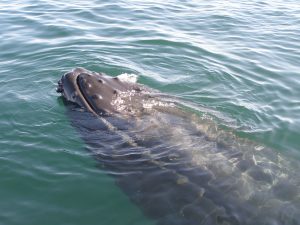
The oceans around New Brunswick influence our culture, contribute to our economic well-being and continue to shape our natural environment. The world recognizes the Bay of Fundy for its natural riches. From the world’s highest tides, to concentrations of endangered whales and coastal stopovers for migratory sandpipers, it has been in the running alongside the world’s natural wonders. The Gulf of St. Lawrence supports some of the richest fish and shellfish spawning and feeding grounds in Canada. Together, our ocean waters support over 7,000 tourism and recreation jobs, and over 11,000 jobs in fishing and seafood processing in New Brunswick.
These important values depend upon a resilient and robust ocean system. However, industrial uses in our oceans are expanding. We are faced with proposals for more crude oil tanker traffic, large open-net salmon aquaculture sites, oil and gas exploration, tidal turbines, and a proposed underwater cable across the Bay of Fundy to transport power from New Brunswick to Massachusetts. We are already feeling the effects of climate change, including changes to locations or amounts of whales, seabirds, fish, and the tiniest zooplankton at the bottom of the food chain. Too often, the health of our oceans is out of sight (under the water), and out of mind. We haven’t established the ocean protection measures to minimize those risks.
We need to balance these risks with the insurance policy that comes from establishing marine protected areas (also called MPAs). These are places in the ocean that government legally designates for conservation purposes. Places where we minimize human impacts in the ocean to ensure we can maintain the natural environment well into the future. MPAs provide long-term protection for the sea floor and the water column all the way to the surface, along with the wildlife that live in or swim through that area. Usually, MPAs would not permit industrial activities and construction that damage the sea bottom, and would restrict some kinds of fishing.
Governments and ocean stakeholders around the world recognize MPAs as an effective tool for helping to sustain ocean health and local economies. Studies show that fish populations in MPAs thrive, and can spillover to enhance fisheries outside MPAs. Marine protected areas can help safeguard the natural areas that local tourism businesses need, and that international tourists want to experience.
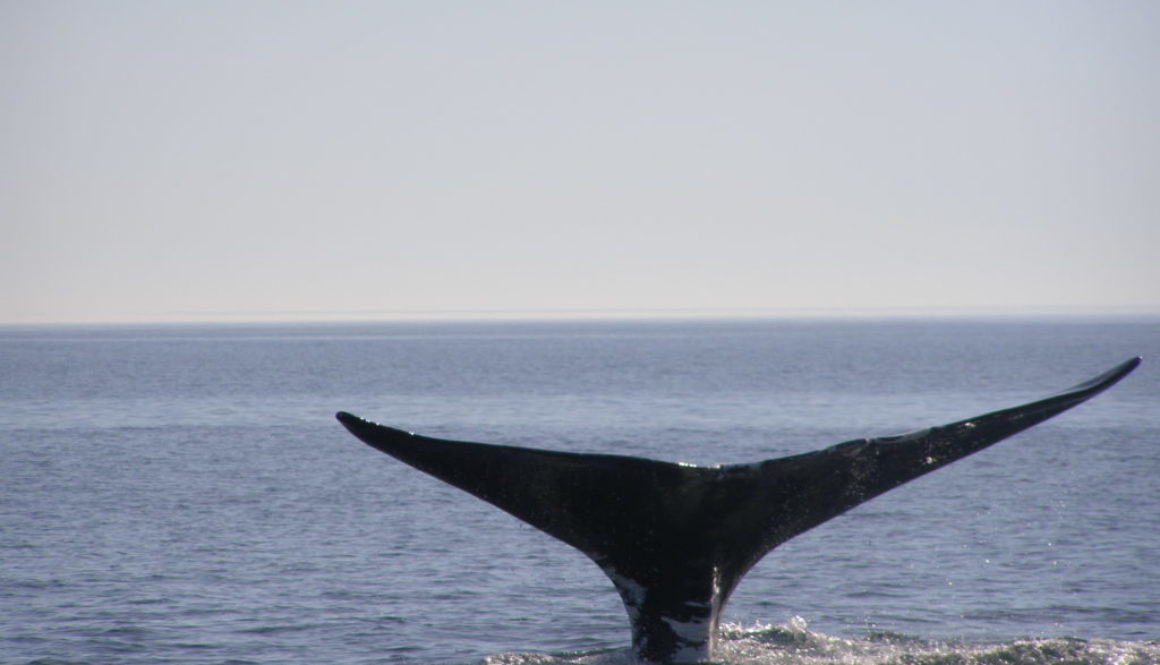
Many sites in the oceans around New Brunswick are sensitive or highly valuable natural spaces. Whales and basking sharks come to feed and congregate in the deep waters of the outer Bay of Fundy. Concentrations of mussel reefs, corals, kelp forests and sponge clusters act like“ecosystem engineers” and provide refuge for all kinds of fish, sea squirts, jellyfish and anemones. In the inner Bay of Fundy, vast mudflats create the right habitat that allows 80 per cent of the world’s semipalmated sandpipers to feed on mud shrimp and rest during their fall migration. All of these functions, and more, need to be included in networks of MPAs along both coasts.
As part of global efforts to help conserve our oceans, the federal government has committed to significantly increasing Canada’s marine protected areas. We are committed to protecting 10 per cent of Canada’s oceans by 2020, and we are now at less than one per cent. The ocean waters around New Brunswick only have less than half of one per cent in marine protected areas. The Department of Fisheries, Oceans and the Coast Guard and the Department of Environment and Climate Change are identifying potential candidates for the Bay of Fundy and the Gulf of St. Lawrence.
The federal and provincial governments will need to work together to ensure that the oceans around New Brunswick receive the conservation action we need. For the most effective solution, we will all have to co-operate – business owners, the fishing community, conservation groups, and citizens. The Canadian Parks and Wilderness Society – New Brunswick Chapter is eager to work with all stakeholders and the public to make sure MPAs are established in an open way, and using strong objectives for ocean habitat protection. Plans are in the early stages.
If we do this right, marine protected areas will forever protect special places in our sea, restore and sustain healthy oceans and maintain vital ocean-based economies.
*********
The above article was published in The Daily Gleaner on Feb. 4, 2017.
Working on nature conservation issues in New Brunswick can be challenging, but also rewarding. Over this past year the staff and volunteers of CPAWS NB have been quite busy, and we expect to be just as busy in the year(s) to come. As the new year is about to dawn we thought it would be a good idea to share with you some of the highlights of our work.
One exciting area of work has been on the topic of
Marine Protected Areas (MPAs). Following the last federal election, the government made a commitment to reach a target of protecting 10 percent of Canada’s oceans by 2020. We have been involved in meetings with the Department of Fisheries and Oceans, environment supporters and people in the fishing community and the towns around the Bay of Fundy, and we anticipate many, many more. We will not be content until MPAs are brought to the Bay of Fundy, protecting its many important ecosystems and species. For more about this, see http://www.protectbayoffundy.ca/ and add your voice at the bottom of the page.
You might have seen in the news this year many stories about the development of snowmobile trails in and around Mount Carleton Provincial Park. When we learned about it we became quite concerned, and worked with the Friends of Mount Carleton to bring a temporary halt to plans to develop a trail up Mount Carleton itself. We are now in the middle of an Environmental Impact Assessment of the proposed work – the proponents of the plan have submitted their plans and report, we have submitted our comments, and soon it will go to the Department of Environment for a full analysis. We feel that the mountain is no place for motorized vehicles, so we intend to stay on top of this issue. Stay tuned to our website for updates, and please let the government know how you feel about it.
This past year the provincial government put together a committee to receive input from the public on climate change and what New Brunswick should be doing about it. Roberta Clowater, our executive director, made a presentation to the committee, emphasizing the importance that the conservation of natural areas in and around our communities can play in buffering us from the effects of climate change. The government has now released its action plan on climate change, and it is very promising. The plan recognizes the importance of nature, of working with NGOs and communities to develop local and regional plans, and of taking climate change into consideration for all decisions about activity in this province (including forestry!). We can see that this file is going to keep us very busy.
Along with the above, we have also continued our school program, Watch Your Paws, educating our youth about the importance of nature. We held a number of outings with citizens of all ages in different areas of the province. We have participated in the Get Outside NB program, placing young Park Leaders in provincial parks in the summer to guide activities and increase nature interpretation for our visitors. We have worked with community leaders on developing climate change adaptation plans. We have continued to advocate for the conservation of nature in our province at every available opportunity. (Information about these things and many more are found throughout our website.)
And in the coming year, we are going to continue to do all this and more! That is why it is important to us to have the support of citizens of New Brunswick, who provide us with the encouragement to continue this work. We also rely on donations to pay for this work, so if you can, take a moment to donate to us this year. You can do that online or by contacting our office. The nature of New Brunswick is important to all of us, and together we can make sure it is here for future generations to experience.
Happy New Year, everybody, and be sure to keep in touch!
Fredericton – La Société pour la nature et les parcs du Canada – Section Nouveau-Brunswick (SNAP NB) encourage les Néo-Brunswickois à participer dans une consultation publique sur la proposition du gouvernement provincial de construire des sentiers et un carrefour pour la motoneige dans le Parc provincial du Mont Carleton. Le Ministère du Tourisme, du Patrimoine et de la Culture de la province a publié un rapport sur l’évaluation environnementale de la proposition et il a invité les membres du public à soumettre leurs commentaires avant le 21 novembre.
« La SNAP NB est très préoccupée par l’impact de ce projet sur la nature sauvage et la faune de notre parc provincial le plus sauvage et emblématique, » déclare Roberta Clowater, Directrice générale de la SNAP NB. « Malheureusement, le rapport d’évaluation environnementale ne fait pas un bon travail d’identifier les impacts potentiels de tels sentiers. Nous encourageons tous les Néo-Brunswickois à partager leurs opinions avec notre gouvernement provincial sur ce projet envisagé. »
La SNAP au Nouveau-Brunswick a étudié le rapport d’évaluation environnementale et a préparé un sommaire des commentaires qu’il espère va contribuer à la discussion publique portant sur ce développement proposé dans le Parc provincial du Mont Carleton. Le sommaire peut être téléchargé au : http://cpawsnb.org/images/upload/key_messages_EIA.pdf
Notre étude à découvert que :
• Le gouvernement provincial n’a apparemment pas effectué les relevés pour déterminer s’il existe des habitats pour les espèces en péril, tel que l’aigle chauve, le Lynx du Canada ou la musaraigne de Gaspé le long du parcours de développement proposé, surtout le nouveau sentier de motoneige remontant le flanc du Mont Carleton. • Le rapport écarte les impacts potentiels du bruit de la motoneige et de la compaction de la neige sur la faune, ignorant un important corpus de recherche qui indique que la motoneige peut avoir un impact négatif sur les orignaux, sur les aigles chauves, les ours en hibernation et les petits mammifères. • Le rapport ignore également des preuves que les motoneiges et les surfaceuses peuvent réduire la survie à l’hiver pour les petits mammifères en compactant la neige ou en effondrant les tunnels qu’ils utilisent pour chercher de la nourriture, ce qui pourrait affecter les sources de nourriture pour les hiboux, les faucons, le lynx du Canada, les renards et la martre d’Amérique à cause des impacts sur la chaine alimentaire.
« Le Parc provincial du Mont Carleton est l’un de nos plus précieux paysages et le gouvernement provincial est supposé le protéger parce qu’il est un bel espace sauvage que les Néo-Brunswickois puissent apprécier, présentement et à l’avenir. Les lacunes importantes dans le rapport d’évaluation renforce la conviction de la SNAP NB que le nouveau sentier de motoneige proposé sur le flanc du Mont Carleton ne devrait pas aller de l’avant. Il est difficile de voir comment le Ministère du Tourisme, du Patrimoine et de la Culture puisse entreprendre ce projet d’une manière qui évite ou atténue les impacts potentiels sur la faune et l’érosion des sentiers. Nous espérons que le processus d’évaluation environnementale va sérieusement considérer toute l’information existante relative à ce projet, surtout étant donné l’attente du public de voir un examen plus rigoureux de propositions de développement dans un parc provincial, » expliquait Clowater.
Le public peut soumettre ses commentaires d’ici le 21 novembre à : lynn.white@gnb.ca ou peut l’envoyer par la poste à : Lynn White, Tourisme, du Patrimoine et de la Culture, C. P. 6000, Fredericton, NB E3B 5H1.
-30- Pour plus d’information : Roberta Clowater,rclowater@cpaws.org; tél : 506-452-9902 SNAP est la voix pour la vie sauvage et les parcs pour Nouveau-Brunswick. Pour plus d’information sur SNAP NB et notre travail de conservation, s’il vous plaît visitez : www.cpawsnb.org
Fredericton – Canadian Parks and Wilderness Society – New Brunswick Chapter (CPAWS NB) is encouraging New Brunswickers to get involved in a public consultation on the provincial government’s proposed construction of snowmobile trails and hub in Mount Carleton Provincial Park. The provincial Department of Tourism, Heritage and Culture has released an environmental assessment report on the proposal, and has invited members of the public to submit comments before November 21.
“CPAWS NB is very concerned about the impact of this project on the wilderness and wildlife of our iconic and wildest provincial park,” says Roberta Clowater, CPAWS NB Executive Director. “Unfortunately, the environmental assessment report does not do a good job of identifying the potential environmental impacts of such a trail. We encourage all New Brunswickers to share their views on this proposed project with our provincial government.”
CPAWS New Brunswick has reviewed the Environmental Assessment report, and developed a summary of comments that it hopes will contribute to the public discussion around this proposed development at Mount Carleton Provincial Park.
Our review found that: • The provincial government has apparently not done surveys to determine if there are habitats for species at risk, such as bald eagles, Canada lynx, or Gaspé shrews along the proposed development route, especially the new snowmobile trail up the side of Mount Carleton. • The report dismisses the potential impacts of snowmobile noise and compaction of snow on wildlife, ignoring a significant body of research that indicates snowmobiling can negatively impact moose, bald eagles, hibernating bears and small mammals over the long term. • The report also ignores evidence that snowmobiles and groomers can reduce winter survival for small mammals by compacting snow or collapsing the tunnels they use to search for food, which could affect food sources for owls, hawks, Canada lynx, foxes, and American marten – resulting in impacts up the food chain.
“Mount Carleton Provincial Park is one of our most treasured landscapes and the provincial government is supposed to protect it as a beautiful wild place for all New Brunswickers to enjoy, now and in the future. The significant gaps in the assessment report reinforce CPAWS NB’s belief that the proposed new snowmobile trail up the side of Mount Carleton should not move forward. It is difficult to see how the Department of Tourism, Heritage and Culture can undertake this part of the project in a way that avoids or mitigates the potential impacts on wildlife and trail erosion. We hope the environmental assessment process gives serious consideration to all of the missing information related to this project, especially given the public expectation for higher scrutiny of development proposals in a provincial park,” Clowater noted.
The public can submit comments on or before November 21 to: lynn.white@gnb.ca or mailed to Lynn White, Department of Tourism, Heritage and Culture, P.O. Box 6000, Fredericton, NB E3B 5H1.
-30- For interviews, contact: Roberta Clowater, rclowater@cpaws.org; phone: 506-452-9902 Founded in 1963, CPAWS is Canada’s voice for wilderness. CPAWS is the only nationwide charity dedicated solely to protecting our public land and water, and ensuring our parks are managed to protect the nature within. For more information: www.cpawsnb.org




 The international Two Countries, One Forest network recognizes the Restigouche as one of 5 critical ecological linkages in the northern New England / southern Quebec / Maritimes region. Yet, government has protected from development less than 3 percent of the watershed in New Brunswick, leaving most areas open for mining, logging or new development proposals. Forest management plans show that most of the wildest areas of forest on Crown land will be logged within 5 to 10 years. This will remove habitat around salmon streams and for wildlife that need old forests.
 A world-class destination for ecotourism, outdoor adventures, and angling, with plenty of economic tourism potential yet untapped.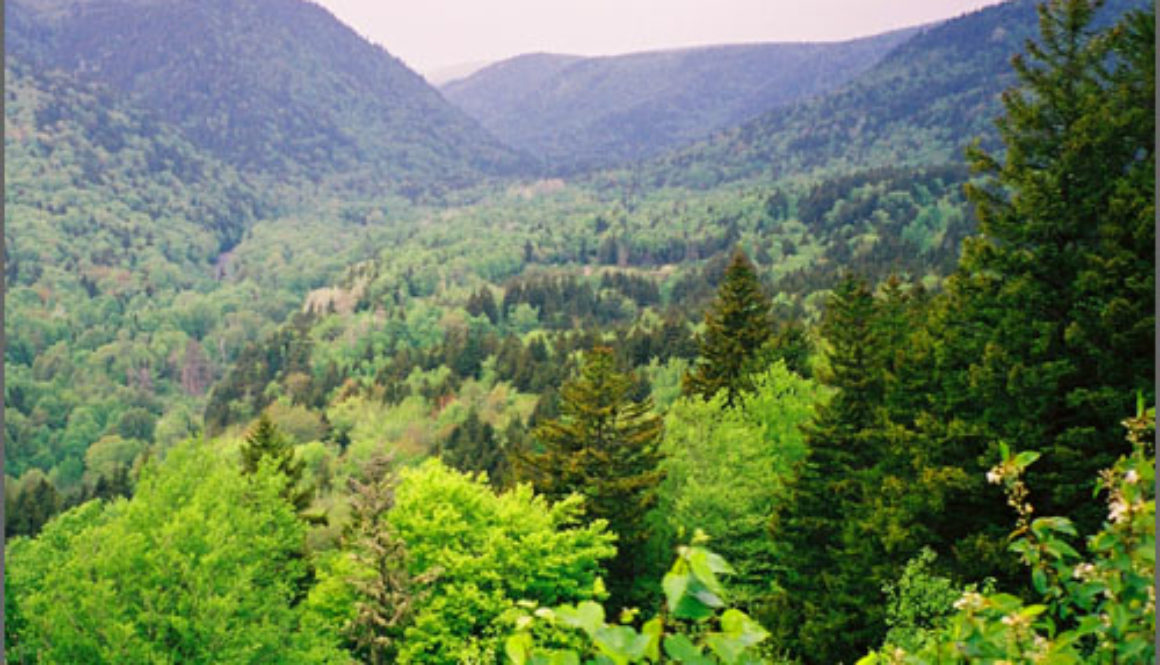
 With only 10.6% of its landscape currently protected, Canada lags behind the global average of 15%, and also trails other large countries such as China, Brazil, and Australia. In 2010, as part of a worldwide effort to stem the tide of biodiversity loss, Canada committed under the United Nations Convention on Biological Diversity to protecting at least 17%of land and inland waters by 2020 and improving the quality of their protected area systems to more effectively conserve nature.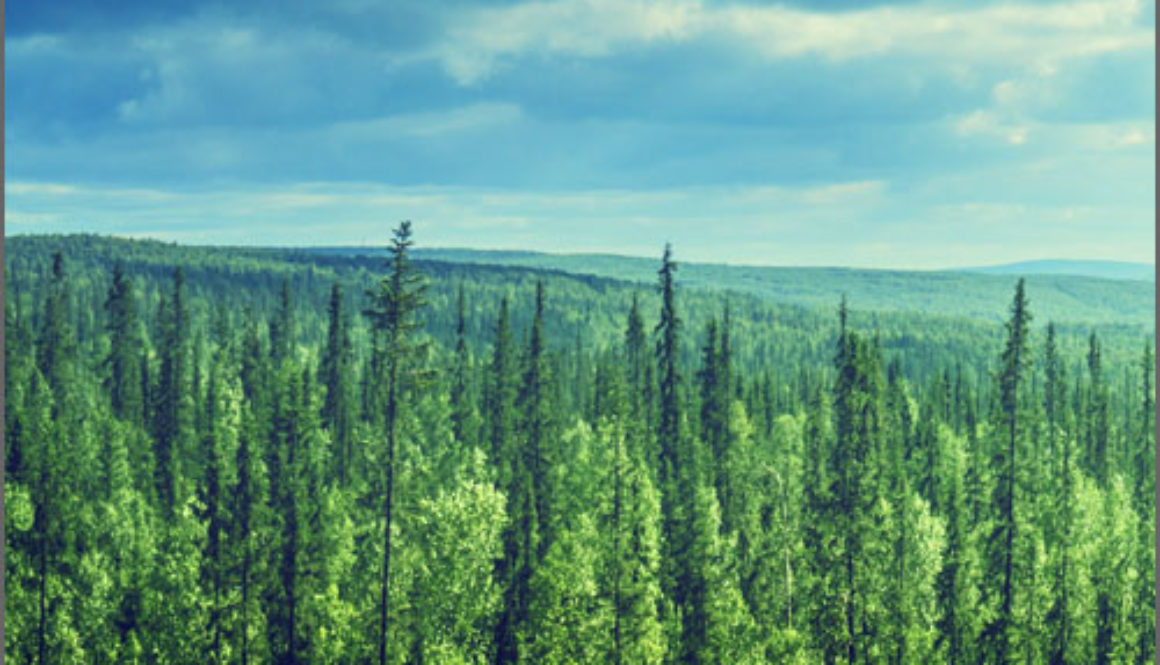
 Signatory countries, including Canada, to the UN Convention on Biological Diversity (CBD), have agreed to meet Aichi Target 11, which commits governments to: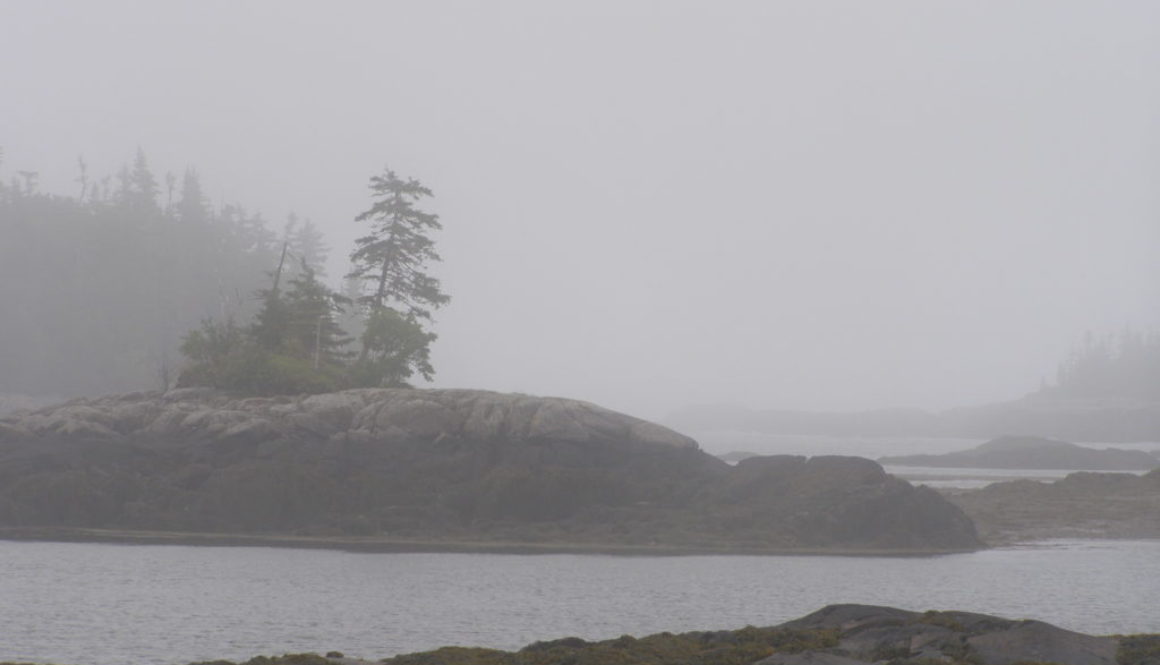
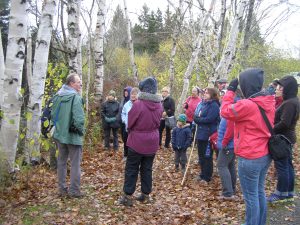 our school program, Watch Your Paws, educating our youth about the importance of nature. We held a number of outings with citizens of all ages in different areas of the province. We have participated in the Get Outside NB program, placing young Park Leaders in provincial parks in the summer to guide activities and increase nature interpretation for our visitors. We have worked with community leaders on developing climate change adaptation plans. We have continued to advocate for the conservation of nature in our province at every available opportunity. (Information about these things and many more are found throughout our website.)