

CPAWSNB in the News : Protect Where Our Water Comes From
The following appeared in The Telegraph Journal on October 19, 2026. https://tj.news/new-brunswick/opinion-protect-where-our-water-comes-from
When New Brunswick passed its Clean Water Act in 1989, there was no Google. Artificial intelligence belonged in science fiction. Fewer people talked about how stronger storms, floods and changing weather would affect our communities. Nearly forty years later, much has changed. The risks to our water are clearer, and communities better understand that clean and plentiful drinking water depends on the health of the forests, wetlands, and rivers around them.
Up to now, New Brunswick’s Clean Water Act has helped protect the water that comes out of our taps. The next forty years must be about protecting where that water comes from.
That is the challenge before the Minister of Environment, the Premier, and each Member of the Legislative Assembly. Over the coming months they will rewrite one of New Brunswick’s most important environmental laws. We have a once-in-a-generation opportunity to decide how we will protect the water every New Brunswicker depends on.
The recently released report about government’s public consultations suggests New Brunswickers are ready for that conversation. People from different perspectives pointed to the same priorities: safer drinking water, stronger protection for rivers and wetlands, and better prevention of floods and droughts. That common ground should give elected officials the confidence to act boldly and responsibly.
The real question is no longer whether the Clean Water Act should be modernized. The question is whether the modernization will be ambitious enough to reflect what we now know.
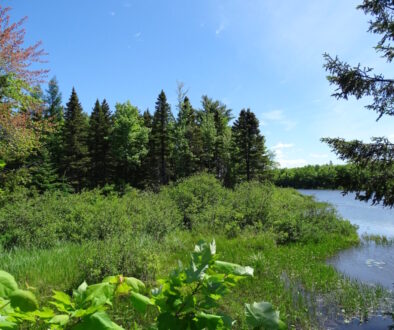
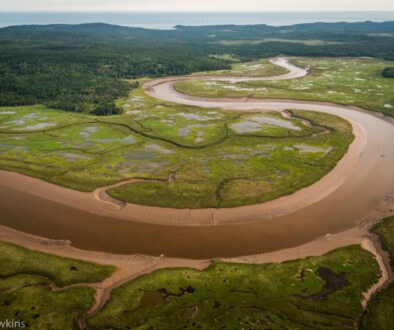
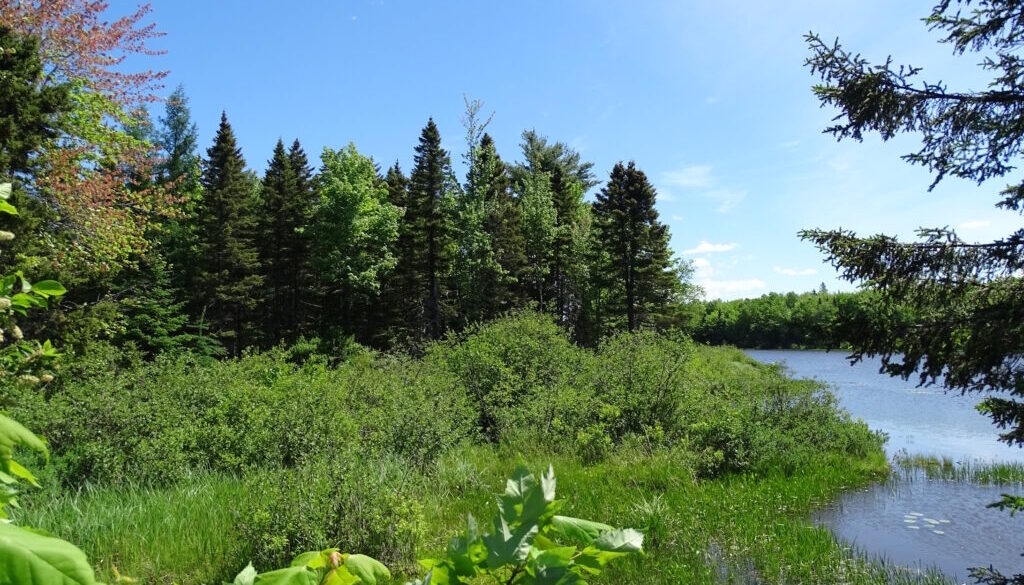
Protecting drinking water begins before the treatment plant. It begins upstream, in the forests, marshes, peatlands, and brooks that collect, hold, and naturally clean the water we all depend on. Those same natural areas store water in the soil and plants and help prevent wildfires from spreading. If those places are damaged, the costs eventually show up in flooded roads, lost homes, stretched local budgets, and more expensive treatment systems.
A modern Clean Water Act should be built around a simple principle to protect the places our water comes from. That means looking beyond one project, one permit or one property line and making decisions based on how water moves across the land. It means protecting wetlands and headwater forests before they are damaged, and listening to good science, Indigenous knowledge, and local experience.
We need an approach that protects the links among the environment, the community, and the economy. Healthy watersheds reduce flood risk, safeguard drinking water, and help communities recover from extreme weather. Floods and treating contaminated water are expensive. Restoring damaged rivers and wetlands is expensive. Protecting natural areas in the first place is always the wiser public investment.
New Brunswick is fortunate. We are still a water-rich province with remarkable rivers, healthy wetlands and headwater forests that serve communities every day. In many other places, communities spend billions trying to restore what they failed to protect decades ago. We still have the opportunity to choose prevention over loss.
A strong Clean Water Act should reinforce the nature protection mandates of other parts of government. Together, our Ministers of Environment, and Natural Resources, can join forces to protect the places that provide clean and plentiful drinking water, and the places that protect communities from wildfires, flooding, and drought.
Every government is remembered for the problems it solves. The best governments are remembered for having the foresight to prevent problems before they occur. Modernizing the Clean Water Act is a chance to respond to today’s concerns while leaving future generations with stronger protection than we inherited. Water is a critical limiting factor in the public interest for health, public safety, and security.
Forty years from now, nobody will say we protected too much nature. Nobody will say we protected too much clean water. They will ask whether we protected enough.
Roberta Clowater is the Executive Director of the Canadian Parks and Wilderness Society – NB Chapter.